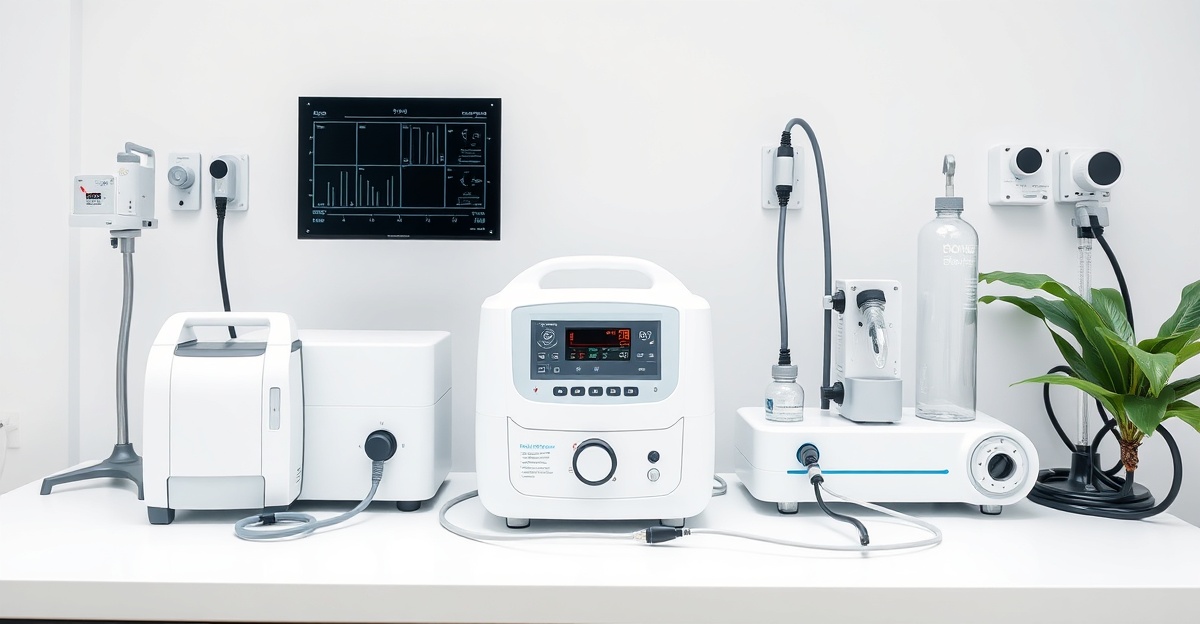
Ozone therapy at home is growing in popularity as people look for ways to access this treatment without repeated clinic visits costing $150-350 per session. Rectal insufflation is the most common home method, followed by ear insufflation, ozonated water, and ozone sauna tents. But home ozone therapy requires proper equipment, training, and a clear understanding of what you can safely do on your own versus what needs clinical supervision.
Key Takeaways
- Rectal insufflation is the most widely used home ozone method, considered the safest for self-administration
- A complete home ozone setup costs $1,500-4,000 depending on equipment quality
- Never inhale ozone directly. It is toxic to lung tissue at any concentration
- Home ozone is not a substitute for major autohemotherapy (MAH) or 10-pass ozone, which require clinical administration
- Proper training from a qualified practitioner is strongly recommended before starting
Why People Are Doing Ozone Therapy at Home
The math drives the decision for most people. A single clinic ozone session costs $150-350 for major autohemotherapy (MAH) and $500-1,500 for 10-pass ozone. Treatment protocols often call for 2-3 sessions per week during an intensive phase, followed by weekly or biweekly maintenance. That adds up to thousands of dollars per month.
A home ozone setup costs $1,500-4,000 upfront, with minimal ongoing costs for oxygen refills. For anyone planning long-term ozone use, home administration can pay for itself within a few months.
Access is the other factor. Not everyone lives near a clinic offering ozone therapy. In many parts of the United States, the nearest ozone practitioner may be hours away.
That said, home ozone is not equivalent to clinical ozone. The most potent modalities, particularly MAH (where blood is drawn, mixed with ozone, and reinfused) and 10-pass hyperbaric ozone, require IV access and sterile technique that cannot be safely replicated at home.
Home Ozone Methods
Rectal Insufflation
Rectal insufflation is the most common and most studied home ozone method. A controlled mixture of ozone and oxygen gas is introduced into the rectum using a catheter, where it is absorbed through the intestinal mucosa and enters the bloodstream.1
Some practitioners consider rectal insufflation to be roughly 80-95% as effective as MAH for systemic ozone delivery, though this comparison is not well-established in controlled studies. The rectal mucosa has a rich blood supply, which allows for rapid absorption of the ozone-oxygen mixture.
Typical protocol:
- Volume: 150-500 mL of ozone-oxygen gas mixture
- Concentration: 20-35 mcg/mL (gamma)
- Duration: Gas is held for 15-30 minutes
- Frequency: 1-5 times per week depending on condition and phase of treatment
Procedure:
- Fill an insufflation bag with the ozone-oxygen mixture from the generator
- Lubricate a rectal catheter with water-based lubricant (no petroleum-based products)
- Gently insert the catheter 2-3 inches
- Slowly release the gas from the bag over 1-3 minutes
- Retain the gas for 15-30 minutes while lying on your left side
Ear Insufflation
Ear insufflation involves directing a gentle flow of ozone-oxygen gas into the ear canal using a modified stethoscope. The gas is humidified first by passing through water or olive oil. Proponents believe ozone is absorbed through the thin skin of the ear canal and the tympanic membrane.
This method is primarily used for sinus issues, ear infections, and brain fog. The evidence base is almost entirely anecdotal. There are no controlled clinical studies specifically validating ear insufflation.
Important: The gas must be humidified. Dry ozone in the ear canal can cause irritation. Sessions typically last 5-15 minutes per ear at low concentrations.
Ozonated Water
Ozone can be bubbled through water using a diffuser stone, creating ozonated water that can be consumed or used topically. The ozone dissolves into the water and can be ingested within 15-20 minutes before the ozone dissipates back to regular oxygen.
Uses include:
- Drinking: Consumed on an empty stomach for gut health and systemic exposure
- Topical: Applied to wounds, skin conditions, or dental issues
- Dental: Used as a mouth rinse for gum disease
Ozonated water delivers a much lower ozone dose than insufflation or MAH. It is considered the mildest home ozone method.
Ozone Sauna Tent
An ozone sauna (also called a transdermal ozone tent or ozone steam cabinet) combines steam with ozone. The patient sits in a tent or cabinet with their head outside (critical for avoiding inhalation), while ozone-infused steam contacts the skin. The heat opens pores, and the ozone is theoretically absorbed through the skin.
This method requires a steam generator in addition to the ozone generator, making it a more complex and expensive home setup (add $300-800 for the tent and steam unit).
“Do not purchase equipment and give yourself insufflation based solely on internet research. Home insufflation requires proper training, a medical-grade oxygen supply, and professional oversight.”
Clinical ozone therapy guidelines
Equipment Needed for Home Ozone Therapy
A proper home ozone setup requires several components:
| Equipment | Purpose | Cost Range |
|---|---|---|
| Medical ozone generator | Produces ozone from oxygen | $800-2,500 |
| Oxygen tank (medical grade) | Source gas for the generator | $150-300 + refills |
| Regulator | Controls oxygen flow rate | $50-150 |
| Insufflation bag set | Collects and delivers gas | $30-80 |
| Catheters (disposable) | Rectal/vaginal delivery | $15-30 per pack |
| Ozone destruct unit | Converts excess ozone back to O2 | $30-100 |
| Silicone tubing | Connects equipment (ozone-resistant) | $10-30 |
| Water bubbler/humidifier | For ozonated water and ear insufflation | $20-50 |
Total Home Setup Costs
| Setup Level | What It Includes | Total Cost |
|---|---|---|
| Basic (rectal insufflation only) | Generator, O2 tank, insufflation kit, destruct | $1,500-2,000 |
| Mid-range (insufflation + ozonated water) | Above + water bubbler, ear insufflation kit | $2,000-3,000 |
| Full setup (all modalities) | Above + ozone sauna tent + steam generator | $3,000-4,000+ |
Critical Safety Rules
Home ozone therapy can be done safely, but there are non-negotiable rules that must be followed:
1. Never Inhale Ozone
This is the most important safety rule. Ozone is toxic to lung tissue at any concentration. The EPA classifies ozone as a respiratory hazard. All home ozone methods must keep ozone away from the airways. Use an ozone destruct unit to neutralize excess gas, work in a ventilated area, and keep your head outside of any ozone sauna tent.2
2. Use Medical-Grade Oxygen Only
Ozone generators require a pure oxygen source to produce medical-grade ozone. Do not use oxygen concentrators for ozone therapy. Concentrators produce only 90-95% oxygen, and the remaining nitrogen can be converted into harmful nitrogen oxides (NOx) when passed through the ozone generator. Medical-grade oxygen tanks provide 99.5%+ pure oxygen.3
3. Use Ozone-Resistant Materials
Ozone degrades rubber, latex, and most plastics. All tubing, bags, and connectors must be made from ozone-resistant materials, typically silicone or PTFE (Teflon). Using the wrong materials can release toxic byproducts and reduce ozone concentration.
4. Use Within 30 Minutes
Ozone has a short half-life. Once you fill an insufflation bag, use it within 30 minutes. After that, the ozone reverts to regular oxygen and the treatment becomes ineffective.
5. Start Low, Go Slow
Begin with low concentrations (10-15 mcg/mL) and small volumes (100-150 mL) and gradually increase over several sessions. Starting too aggressively can cause Herxheimer-like reactions: headache, fatigue, nausea, and general malaise.
Who Should Not Do Home Ozone Therapy
Certain people should avoid home ozone entirely and only receive treatment under medical supervision:
- G6PD deficiency: Ozone can trigger hemolytic anemia in people with this genetic enzyme deficiency. Get tested before starting ozone therapy
- Hyperthyroidism: Ozone may stimulate thyroid function further
- Pregnancy: Insufficient safety data
- Active bleeding disorders: Ozone has mild anticoagulant properties
- Recent organ transplant: Immune stimulation from ozone could theoretically trigger rejection
Getting Trained
Before setting up home ozone therapy, training is strongly recommended. Options include:
- Practitioner consultation: Many naturopathic doctors and integrative medicine practitioners who use ozone will train patients on home insufflation as part of their treatment plan
- Online courses: Several organizations offer training courses on home ozone therapy protocols and safety
- Equipment vendors: Reputable ozone equipment companies often provide instructional materials and support
At minimum, you should understand how to operate your generator, set correct concentrations and flow rates, perform the insufflation procedure hygienically, handle the oxygen tank safely, and recognize when something is wrong.
When to Go to a Clinic Instead
Home ozone works well for maintenance therapy and mild-to-moderate conditions. But some situations call for clinical administration:
| Home Ozone Is Appropriate | Clinic Is Recommended |
|---|---|
| Maintenance after initial clinical treatment | First-time ozone use (get baseline established) |
| General wellness and prevention | Serious infections or chronic illness |
| Gut health support | Conditions requiring IV ozone (MAH, 10-pass) |
| Cost-sensitive long-term use | Autoimmune conditions needing careful monitoring |
| Remote location with no clinic access | Any condition where symptoms worsen during treatment |
Choosing an Ozone Generator
Not all ozone generators are appropriate for medical use. Key features to look for:
- Gamma calibration: The generator must allow you to set precise ozone concentrations (measured in mcg/mL or gamma)
- Corona discharge technology: Medical-grade generators use corona discharge, not UV. UV generators produce too little ozone for therapeutic use
- Ozone-resistant construction: Internal components must be ozone-resistant (quartz glass, silicone, PTFE)
- Flow rate compatibility: The generator should work with your oxygen regulator’s flow rate (typically 1/8 to 1 LPM for insufflation)
Popular medical-grade home generators include the O3Elite series, Promolife Dual Cell, and SimplyO3. Prices range from $800 for basic models to $2,500 for advanced units with digital readouts and multiple output ports.
The Bottom Line
Home ozone therapy, particularly rectal insufflation, offers a cost-effective way to access ozone treatment for long-term maintenance. A complete setup costs $1,500-4,000 and can pay for itself within a few months compared to clinic visits. But it requires proper equipment, medical-grade oxygen, safety awareness, and ideally training from a qualified practitioner.
Home ozone is not a replacement for clinical ozone modalities like MAH and 10-pass, and it is not appropriate for everyone. If you are new to ozone therapy, start with a practitioner who can establish your protocol, monitor your response, and then transition you to home maintenance if appropriate.
Frequently Asked Questions
Can I use an oxygen concentrator instead of a tank?
No. Oxygen concentrators produce only 90-95% oxygen. The remaining nitrogen can form toxic nitrogen oxides when passed through an ozone generator. Always use medical-grade oxygen from a tank (99.5%+ purity).
How often should I do rectal ozone at home?
This depends on your condition and treatment phase. Common frequencies range from daily during acute treatment phases to 1-3 times per week for maintenance. Work with your practitioner to determine the right frequency.
Is home ozone therapy legal?
In the United States, purchasing ozone equipment for personal use is legal. Ozone generators are sold as water purification devices or for experimental use. The legal gray area applies primarily to practitioners marketing ozone as a medical treatment without appropriate credentials.
How long does an oxygen tank last?
A standard 20-cubic-foot oxygen tank at 1/8 LPM flow rate lasts approximately 20-40 insufflation sessions, depending on the volume of gas used per session. Refills typically cost $20-40.
- Mediskill. Rectal ozone therapy: what it is, how it works, and how to do it yourself. 2023.
- U.S. Environmental Protection Agency. Health Effects of Ozone in the General Population. EPA/600/R-05/004aF.
- Bocci V. Ozone: A New Medical Drug. 2nd ed. Springer; 2011. doi:10.1007/978-90-481-9234-2
Medical Disclaimer
The content on BaricBoost.com is for informational purposes only and is not intended as a substitute for professional medical advice, diagnosis, or treatment. Always seek the advice of your physician or other qualified health provider with any questions you may have regarding a medical condition. Never disregard professional medical advice or delay in seeking it because of something you have read on this website.

Author
Seph Fontane Pennock is the founder of BaricBoost.com and Regenerated.com, a clinic directory for regenerative medicine serving 10,000+ providers across the United States. He previously built and sold PositivePsychology.com, which grew to 19 million users and became the largest evidence-based positive psychology resource on the web. Seph brings direct experience as an HBOT patient, having completed protocols at clinics across three continents while navigating mold illness, systemic inflammation, and autoimmune conditions. His treatment journey includes hyperbaric oxygen therapy, peptide protocols, NAD+ therapy, and consultations with specialists from Dubai to Cape Town to Mexico. This combination of entrepreneurial track record and lived patient experience shapes everything published on BaricBoost.com. Every article is grounded in peer-reviewed research, informed by real clinical encounters, and written for patients making high-stakes treatment decisions. Seph's focus is on bringing transparency, scientific rigor, and practical guidance to the hyperbaric oxygen therapy space.