Affiliate Disclosure
This article contains affiliate links. If you purchase through these links, we may earn a commission at no additional cost to you. This does not influence our evaluations or rankings.
A hyperbaric chamber forces oxygen into your tissues at 10 to 20 times normal concentration by raising atmospheric pressure to 1.4 to 3.0 ATA. The FDA has cleared it for 14 medical conditions. Across 1.5 million tracked treatments, the adverse event rate is 0.68%. It is one of the oldest pressure-based therapies in medicine, and one of the most misunderstood.
What Is Hyperbaric Oxygen Therapy?
Hyperbaric oxygen therapy (HBOT) is a medical treatment in which a patient breathes 100% oxygen inside a pressurized chamber. At sea level, the atmosphere exerts one atmosphere of pressure (1 ATA). Inside a hyperbaric chamber, pressure is raised to between 1.4 and 3.0 ATA depending on the condition being treated.
The core mechanism is straightforward: oxygen under pressure dissolves into body fluids, including blood plasma, cerebrospinal fluid, and lymph, at concentrations physiologically impossible through normal breathing. This dramatically increases oxygen available to tissues throughout the body, including areas with compromised circulation where normal oxygen delivery is inadequate.
HBOT has been used medically since the 1930s, originally for decompression sickness in deep-sea divers. Today it is practiced in hospital wound care centers, standalone hyperbaric clinics, and increasingly in wellness and performance settings. The Undersea and Hyperbaric Medical Society (UHMS) sets the clinical standards for safe and effective HBOT practice.
How Does a Hyperbaric Chamber Work?
To understand why HBOT works, you need to understand the two ways oxygen travels in blood. Under normal conditions, most oxygen is bound to hemoglobin in red blood cells. Hemoglobin-bound oxygen is efficient but limited: at sea level breathing room air, hemoglobin is already roughly 97% saturated.
The second route is plasma-dissolved oxygen. Normally, only a tiny fraction travels dissolved in plasma, roughly 0.3 mL per 100 mL of blood. This is where hyperbaric pressure changes everything.
HBOT applies Henry’s Law: the amount of gas dissolved in a liquid is directly proportional to the partial pressure of that gas. When you breathe 100% oxygen at 2.0 ATA, plasma-dissolved oxygen rises to 6–8 mL per 100 mL of blood, a 20-fold increase. This dissolved oxygen can diffuse into tissues without relying on red blood cells, reaching areas of the body where circulation is compromised.
What Happens at the Cellular Level
The effects extend far beyond simple oxygenation:
Angiogenesis: Elevated oxygen triggers VEGF release, stimulating growth of new blood vessels into hypoxic tissue. This is particularly significant for diabetic wounds and radiation-damaged areas where vasculature has been destroyed.
Stem cell mobilization: HBOT stimulates release of stem cells from bone marrow into circulation, with increases of up to 800% reported after 20 sessions. These cells home to injury sites and contribute to tissue repair.
Collagen synthesis: Oxygen is a required cofactor for collagen cross-linking. HBOT accelerates wound healing and improves the durability of repaired tissue.
Anti-inflammatory and anti-microbial effects: HBOT inhibits leukocyte adhesion, reducing inflammatory damage, and creates an oxygen-rich environment hostile to anaerobic bacteria.
Mitochondrial effects: Cycles of elevated then returning-to-normal oxygen trigger beneficial stress responses at the mitochondrial level, similar to intermittent fasting or exercise. This may explain some effects on aging and chronic disease.
Types of Hyperbaric Chambers
Monoplace Chambers (Hard Shell)
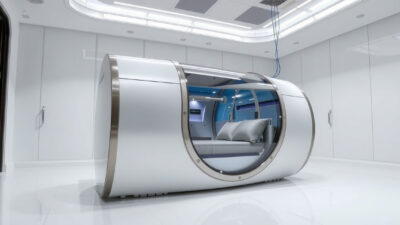
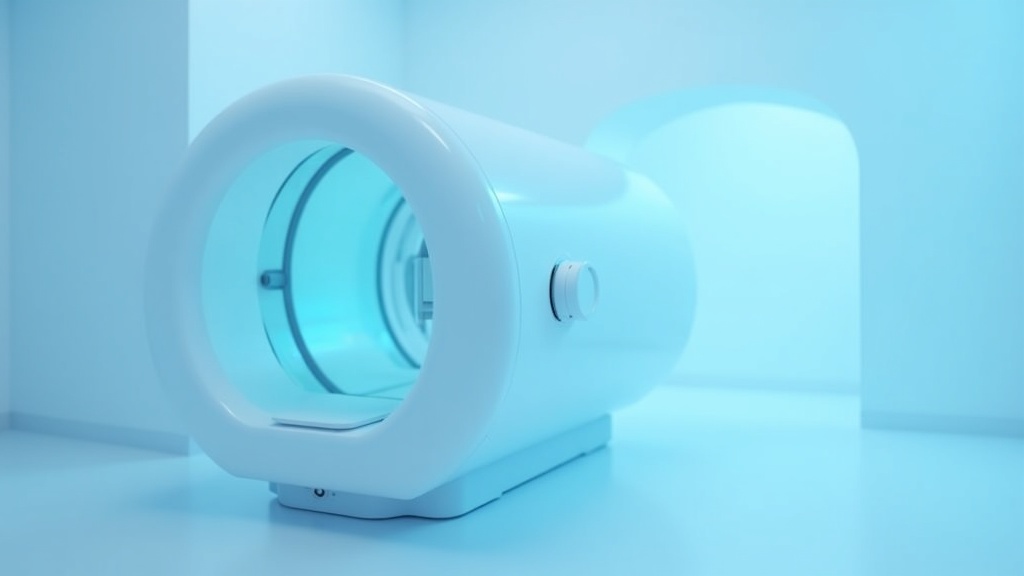
A monoplace chamber is a single-person tube, typically made of transparent acrylic, roughly 7–8 feet long and 2 feet in diameter. The entire chamber is pressurized with 100% oxygen. This is the most common chamber type in US clinical settings. Monoplace chambers reach 2.0–3.0 ATA, covering the full range of clinical protocols for FDA-cleared indications.
Multiplace Chambers (Hard Shell)
A multiplace chamber is a large pressurized room accommodating multiple patients simultaneously, along with medical staff inside. The chamber is pressurized with compressed air; patients breathe 100% oxygen via masks. This allows medical personnel to be physically present with critically ill patients. Multiplace chambers are found primarily in major medical centers, military hospitals, and specialized dive medicine facilities.
Soft-Shell Portable Chambers
Soft-shell chambers are inflatable fabric enclosures operating at 1.3–1.5 ATA. They have driven HBOT expansion into wellness, athletic recovery, and home settings. However, at 1.3 ATA, a soft chamber produces arterial oxygen of roughly 230 mmHg. A hard shell at 2.4 ATA with 100% oxygen produces roughly 1,824 mmHg, an 8-fold difference.[3] Most controlled research supporting HBOT for medical conditions used pressures of 1.5 ATA or higher. Only three portable chamber brands hold FDA 510(k) clearance: OxyHealth, Summit to Sea, and Newtowne Hyperbarics, all cleared for altitude sickness only.[4]
14 FDA-Cleared Indications
The FDA has cleared HBOT as a primary or adjunctive treatment for 14 medical conditions. These are covered by Medicare when prescribed by a physician.
- Air or gas embolism
- Carbon monoxide poisoning
- Clostridial myositis and myonecrosis (gas gangrene)
- Crush injury, compartment syndrome, and acute traumatic ischemia
- Decompression sickness
- Arterial insufficiencies, including diabetic foot ulcers and central retinal artery occlusion
- Severe anemia
- Intracranial abscess
- Necrotizing soft tissue infections
- Osteomyelitis (refractory)
- Delayed radiation injury (soft tissue and bony necrosis)
- Compromised grafts and flaps
- Acute thermal burn injury
- Idiopathic sudden sensorineural hearing loss
Emerging Off-Label Applications
Strongest emerging evidence: Traumatic brain injury and post-concussion syndrome (multiple RCTs showing significant cognitive improvements after 40–60 sessions); Long COVID (2022 RCT showing significant improvements in cognitive function, fatigue, and quality of life after 40 sessions); Post-stroke recovery (studies showing improved neurological function even years after stroke).
Promising earlier evidence: PTSD (39% reduction in symptoms persisting for 2 years after high-dose protocol, Doenyas-Barak et al. 2024); Depression; Anti-aging (telomere length increase and 37% reduction in senescent cells in a 2020 study).
What to Expect During Treatment
Standard sessions last 60–90 minutes at pressure, with total clinic time of 1.5–2 hours. The main sensation during compression is ear pressure, similar to airplane descent. Learn equalization techniques (Valsalva maneuver, yawning, swallowing) before your first session and alert staff immediately if you cannot equalize.
Most protocols run 5 days per week. Acute injuries average around 15 sessions; chronic conditions average around 30.[1] No recovery time is needed after sessions; most patients resume normal activities immediately.
What Are the Side Effects and Risks?
The per-session adverse event rate is 0.68% across 1.5 million treatments. Only one confirmed pneumothorax was documented in that dataset.[2] The most common side effect is middle ear barotrauma (9–15% of patients), most cases mild and self-resolving. The only absolute contraindication is untreated tension pneumothorax. All other contraindications are relative and require individual physician evaluation.
Fire risk in the treatment environment requires strict adherence to prohibited item protocols: no electronics, no synthetic fabrics, no petroleum-based personal care products. These protocols exist because all documented fatal chamber fires occurred in oxygen-enriched environments with prohibited items present.[5]
How to Find HBOT
Clinical HBOT for FDA-cleared indications is available at hospital wound care centers, standalone hyperbaric clinics, and some outpatient facilities. For off-label applications, look for UHMS-accredited facilities with CHT or CHRN-certified staff.
Home soft-shell chambers are available from authorized dealers for personal wellness use. The three FDA-cleared portable brands are OxyHealth, Summit to Sea, and Newtowne Hyperbarics. For clinical-grade treatment, soft-shell home chambers cannot replicate the pressures used in studies supporting most FDA-cleared indications.
Explore HBOT by Condition Category
Hyperbaric oxygen therapy addresses a wide range of conditions. The guides below organize the evidence by category, so you can find what’s most relevant to your situation.
- Brain & Neurological Conditions — TBI, stroke, Parkinson’s disease, multiple sclerosis, and cognitive decline
- Chronic Conditions — diabetes, autoimmune disease, Long COVID, fibromyalgia, and Lyme disease
- Pain & Inflammation — chronic pain, migraine, arthritis, and inflammatory conditions
- Surgery & Wound Recovery — post-surgical healing, sports injuries, diabetic wounds, and radiation damage
- Cancer Treatment Support — radiation cystitis, radiation necrosis, and adjunct oncology care
- Longevity & Performance — cellular aging, athletic recovery, and cognitive optimization
References
- Dias MD, Fontes B, Poggetti R, Birolini D. HBOT: types of injury and number of sessions. Undersea & Hyperbaric Medicine. 2008;35(4):259-268. PMID: 18351127
- Jokinen-Gordon H, et al. Retrospective analysis of adverse events in 1.5 million HBOT treatments. Advances in Skin & Wound Care. 2017. PMID: 28198743; Hadanny A, et al. Safety of HBOT in 2,334 patients. Undersea & Hyperbaric Medicine. 2016. PMID: 27265988
- Burman F. Low-pressure fabric hyperbaric chambers. South African Medical Journal. 2019. PMID: 31084683
- FDA 510(k) Database. accessdata.fda.gov
- Sheffield PJ, Desautels DA. Hyperbaric and hypobaric chamber fires: 73-year analysis. Undersea & Hyperbaric Medicine. 1997. PMID: 9308138
- UHMS. Hyperbaric Oxygen Therapy Indications, 14th Edition. uhms.org
Medical Disclaimer
The content on BaricBoost.com is for informational purposes only and is not intended as a substitute for professional medical advice, diagnosis, or treatment. Always seek the advice of your physician or other qualified health provider with any questions you may have regarding a medical condition. Never disregard professional medical advice or delay in seeking it because of something you have read on this website.

Author
Seph Fontane Pennock is the founder of BaricBoost.com and Regenerated.com, a clinic directory for regenerative medicine serving 10,000+ providers across the United States. He previously built and sold PositivePsychology.com, which grew to 19 million users and became the largest evidence-based positive psychology resource on the web. Seph brings direct experience as an HBOT patient, having completed protocols at clinics across three continents while navigating mold illness, systemic inflammation, and autoimmune conditions. His treatment journey includes hyperbaric oxygen therapy, peptide protocols, NAD+ therapy, and consultations with specialists from Dubai to Cape Town to Mexico. This combination of entrepreneurial track record and lived patient experience shapes everything published on BaricBoost.com. Every article is grounded in peer-reviewed research, informed by real clinical encounters, and written for patients making high-stakes treatment decisions. Seph's focus is on bringing transparency, scientific rigor, and practical guidance to the hyperbaric oxygen therapy space.
Why Trust Our Evaluations
Our rankings are based on hands-on testing, published clinical data, and verified manufacturer specifications. We apply the same criteria to every product regardless of affiliate status. Editorial Process · Evaluation Methodology