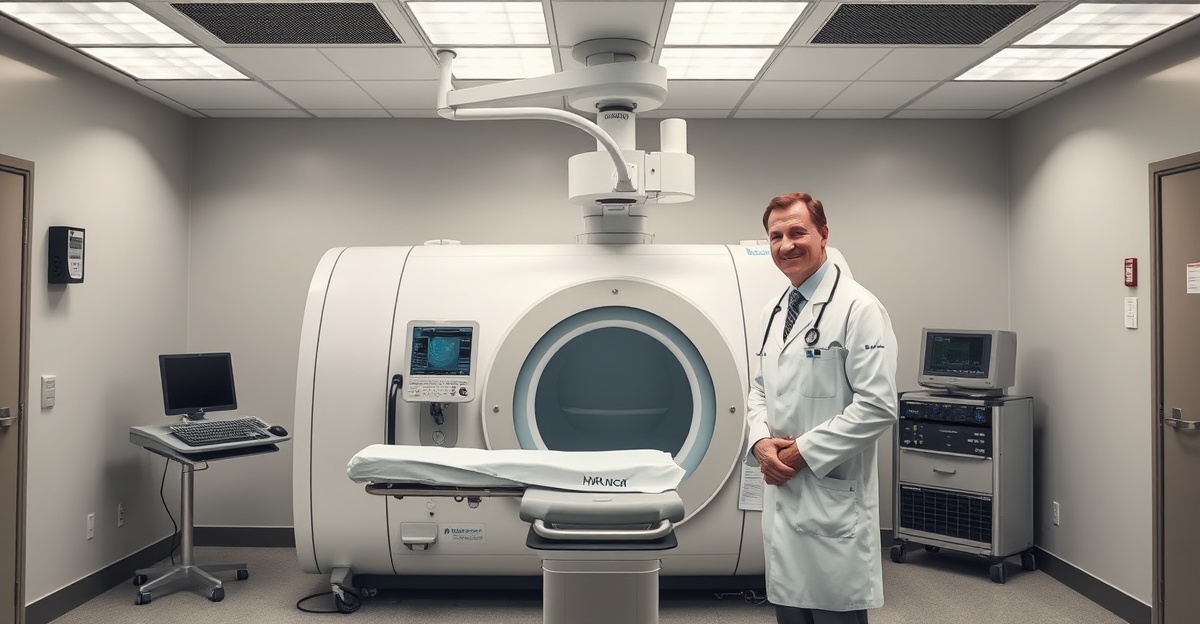
Two different lists get confused here. The FDA clears hyperbaric oxygen devices (it does not “approve” them) for a set of medical uses listed in its consumer guidance. The clinical authority list, the UHMS approved indications, now numbers 15 after avascular necrosis was added in the 2024 15th edition of the Indications Manual. Soft-shell chambers are cleared for altitude sickness only and qualify for none of these medical indications.
Key Takeaways
- Hyperbaric chambers are FDA-cleared (via the 510(k) device pathway), not FDA-approved. Clearance means substantial equivalence to an existing device, not proof of efficacy for a disease.
- The UHMS lists 15 approved indications as of the 15th edition (Huang, ed., 2024). Avascular necrosis is the newest, added in 2024; idiopathic sudden sensorineural hearing loss was added in 2011.
- The FDA consumer guidance lists 13 device uses and, in July 2021, added sudden hearing loss and sudden vision loss (central retinal artery occlusion) to that list.
- Diabetic foot ulcers and other selected problem wounds are the single largest patient population in US clinical hyperbaric practice.
- Soft-shell chambers are cleared for acute mountain sickness only, and none of the indication-level clinical data was generated in them.
- Medicare covers HBOT for diabetic wounds only at Wagner grade 3 or higher after 30 days of failed standard therapy, under CMS NCD 20.29.
Is HBOT FDA-Approved or FDA-Cleared?
HBOT devices are FDA-cleared, not FDA-approved, and the difference is real. Clearance runs through the 510(k) pathway, which asks only whether a device is substantially equivalent to one already on the market. Approval runs through the premarket approval (PMA) pathway, which demands clinical trial evidence of safety and efficacy for a specific disease. HBOT chambers have never taken the second route.
That distinction matters for how you read marketing. A clinic that advertises “FDA-approved hyperbaric therapy” for autism or anti-aging is misstating the regulatory status twice: the device is cleared rather than approved, and those uses appear on neither the FDA’s device-clearance list nor the UHMS indication list. The FDA has cleared the chamber as a device for certain conditions; it has never approved HBOT as a proven treatment for a disease the way it approves a drug.
The practical authority on which conditions genuinely warrant HBOT is the Undersea and Hyperbaric Medical Society (UHMS), whose approved-indications list drives insurance reimbursement and CPT billing. When clinicians say “the 15 indications,” they mean the UHMS list, not an FDA approval.
What Conditions Are HBOT Devices FDA-Cleared to Treat?
The FDA’s consumer guidance lists 13 medical uses that hyperbaric chamber devices are cleared for, and in July 2021 the agency added sudden hearing loss and sudden vision loss (central retinal artery occlusion) to that list. These are device clearances, meaning the FDA agrees the chamber can be legally marketed for these uses. They are not disease approvals backed by FDA-reviewed efficacy trials.
The FDA-cleared device uses include air and gas embolism, carbon monoxide poisoning, gas gangrene, decompression sickness, certain non-healing diabetic wounds, crush injury and other acute traumatic ischemias, severe anemia, intracranial abscess, necrotizing soft tissue infections, refractory osteomyelitis, delayed radiation injury, compromised skin grafts and flaps, and thermal burns, plus the 2021 additions of sudden sensorineural hearing loss and central retinal artery occlusion.12 The FDA also warns explicitly that HBOT is not proven to treat cancer, autism, Alzheimer disease, diabetes generally, or COVID-19, and that low-pressure inflatable chambers are cleared only for altitude sickness.1
FDA Device Clearance vs UHMS Approved Indication
| Question | FDA clearance | UHMS approved indication |
|---|---|---|
| What is being judged | The chamber as a medical device | Whether HBOT is warranted for a condition |
| Regulatory pathway | 510(k) substantial equivalence | Evidence review by the UHMS HBO Committee |
| Efficacy trials required | No | Graded evidence review, not always RCT-level |
| Current count | 13 listed device uses (+ 2 added July 2021) | 15 approved indications (15th edition, 2024) |
| Drives insurance coverage | Indirectly | Yes, alongside CMS and payer policy |
| Source | FDA Consumer Update; FDA HCP Letter 2021 | UHMS Indications Manual, Huang ed., 2024 |
The counts differ for a structural reason, not a contradiction. The FDA groups some conditions together (crush injury with other acute traumatic ischemias, for example) and treats “certain non-healing wounds” as a single device use, while the UHMS breaks arterial insufficiency into central retinal artery occlusion and selected problem wounds and lists sudden hearing loss and avascular necrosis as their own indications. Read either list as a regulatory or clinical map of the same underlying set of accepted uses, not as two competing claims about how many conditions HBOT “works for.” The honest answer to “how many” is 13 FDA device uses and 15 UHMS approved indications, and the difference is bookkeeping, not evidence.
What Are the UHMS-Approved Indications for HBOT?
The UHMS approves 15 indications for hyperbaric oxygen therapy in the 15th edition of its Indications Manual (2024). The list spans emergencies such as decompression sickness and carbon monoxide poisoning, acute conditions such as crush injury and necrotizing infection, and chronic conditions such as refractory osteomyelitis, radiation injury, and the two newest additions, sudden sensorineural hearing loss (2011) and avascular necrosis (2024).34
The table below pairs each approved indication with the strongest primary evidence behind it, an honest evidence tier, and its typical insurance status. Evidence quality varies widely across the list: decompression sickness and diabetic wounds rest on the firmest ground, while several infectious and vascular indications rely on observational data because randomized trials are difficult or unethical to run in emergencies.
UHMS-Approved HBOT Indications by Evidence Grade (2026)
| # | Indication | Category | Strongest evidence | Tier | Insurance |
|---|---|---|---|---|---|
| 1 | Air or gas embolism | Emergency | Standard of care; recompression (Vann 2011) | Strong | Covered |
| 2 | Carbon monoxide poisoning (and CO with cyanide) | Emergency | Weaver 2002 RCT, 25.0% vs 46.1% sequelae; Cochrane finds evidence contested | Moderate | Covered |
| 3 | Clostridial myonecrosis (gas gangrene) | Emergency | Observational series, adjunct to surgery | Emerging | Covered |
| 4 | Crush injury, compartment syndrome, acute traumatic ischemia | Acute | Bouachour 1996 RCT, 94% vs 34% wound healing | Moderate | Covered |
| 5 | Decompression sickness | Emergency | Recompression is standard of care (Vann 2011) | Strong | Covered |
| 6 | Arterial insufficiencies: central retinal artery occlusion | Acute | Retrospective cohorts, visual-acuity gains (Eye 2021) | Emerging | Variable |
| 7 | Arterial insufficiencies: selected problem wounds (diabetic foot) | Chronic | Londahl 2010 RCT, 61% vs 27% healing; Kranke Cochrane 2015 short-term | Strong (short-term) | Covered with criteria |
| 8 | Severe anemia (exceptional blood loss, transfusion unavailable) | Emergency | Van Meter 2024 review, bridge therapy | Limited | Covered |
| 9 | Intracranial abscess | Acute | Population cohort (Bartek 2016), adjunct | Emerging | Covered |
| 10 | Necrotizing soft tissue infections | Acute | Riseman 1990 cohort; Levett Cochrane 2015 found no RCT | Emerging | Covered |
| 11 | Refractory osteomyelitis | Chronic | Savvidou 2018 systematic review, ~73% success | Moderate | Covered |
| 12 | Delayed radiation injury (soft tissue and bony necrosis) | Chronic | Marx 1985 RCT, 5.4% vs 29.9% ORN; HOPON null for prevention | Moderate | Covered |
| 13 | Compromised grafts and flaps | Acute/Chronic | Mechanistic and case-series data (Thom 2011) | Emerging | Covered |
| 14 | Acute thermal burn injury | Emergency | Villanueva Cochrane 2004, evidence insufficient | Limited | Variable |
| 15 | Idiopathic sudden sensorineural hearing loss | Acute | Bennett Cochrane 2012, moderate benefit in 7 trials | Moderate | Variable |
| 16 | Avascular necrosis (aseptic osteonecrosis) | Chronic | Camporesi 2010 RCT, femoral head necrosis (n=20) | Emerging | Variable (new) |
Rows total 16 lines because arterial insufficiencies covers two distinct clinical entities (CRAO and selected problem wounds); the UHMS counts these under one indication heading, giving 15 approved indications. Sources per row are named in the Sources section below.
A few rows deserve caution. Carbon monoxide poisoning is a UHMS indication supported by Weaver’s 2002 NEJM trial, yet the 2011 Cochrane review by Buckley found the pooled evidence conflicting and did not confirm a clear benefit.67 Radiation injury treatment rests on Marx’s 1985 osteoradionecrosis trial, but the later HOPON randomized trial found no benefit from HBOT for preventing osteoradionecrosis after dental surgery.11 Honest evidence grading is the point of the tier column.
Which Indication Is Treated Most Often?
Chronic wounds, above all diabetic foot ulcers, make up the largest share of clinical HBOT in the United States. Emergency indications such as decompression sickness and carbon monoxide poisoning are clinically urgent but numerically rare, while diabetic wounds and delayed radiation injury drive the bulk of outpatient hyperbaric volume, which is why Medicare coverage rules focus so heavily on wound criteria.
The US Wound Registry and its Hyperbaric Oxygen Therapy Registry, described by Fife and Eckert in 2018, exist precisely because wound-care hyperbaric treatment is high-volume enough to need formal quality benchmarking.10 The clinical evidence for the dominant wound indication is also among the strongest on the list: Londahl’s 2010 HODFU trial randomized 94 patients and found complete healing in 61% of the HBOT group versus 27% of the placebo group among those completing more than 35 sessions, and the 2015 Cochrane review by Kranke confirmed a short-term healing benefit across 12 trials while noting the effect did not persist long-term.89 For a deeper breakdown, see our diabetic foot ulcer data and wound healing guides, and the wider HBOT success rate analysis.
Are Soft-Shell Chambers FDA-Cleared for These Conditions?
No. Soft-shell inflatable chambers are FDA-cleared for one thing only: acute mountain sickness. They operate at roughly 1.3 ATA and are not cleared for any of the 15 UHMS medical indications, all of which were studied at 2.0 to 3.0 ATA in rigid medical-grade chambers.1
This is the single most common source of consumer confusion. A portable soft chamber sold for home use cannot legally claim to treat wounds, radiation injury, or any indication on the medical list, and every clinical outcome cited on this page was generated in hard chambers at therapeutic pressure. The pressure gap is not a technicality: dissolved-oxygen delivery, the mechanism behind Thom’s described angiogenesis and stem-cell effects, scales with pressure, so 1.3 ATA and 2.4 ATA are not interchangeable.20 For the equipment distinction, see hard-shell vs soft-shell chambers and mild vs clinical HBOT.
What Conditions Is HBOT NOT Cleared or Approved For?
Many heavily marketed uses of HBOT appear on neither the FDA device-clearance list nor the UHMS indication list. These off-label uses may have promising early research, but promising is not the same as cleared or approved, and the FDA has issued explicit warnings against several of them.
The most researched off-label areas include traumatic brain injury, where Boussi-Gross reported cognitive gains in a 2013 randomized trial of chronic post-concussion patients; chronic stroke, where Efrati’s 2013 randomized study documented neuroplasticity on SPECT imaging; long COVID, where Zilberman-Itskovich’s 2022 randomized sham-controlled trial found cognitive improvement in 73 patients; and longevity, where Hachmo and Efrati reported telomere lengthening over 20% in a 2020 prospective trial of 35 older adults.18191514 These findings are real and peer-reviewed, but the studies are small and single-center, which is why the tier stays at emerging. The FDA separately warns that HBOT is not proven for cancer, autism, Alzheimer disease, or general diabetes, and marketing it for those uses is where regulatory action tends to land.1
Off-label treatment is a large and growing share of real-world hyperbaric activity. Our off-label HBOT statistics quantify how often chambers are used beyond the approved list, and cluster guides cover the individual claims: TBI and concussion, stroke recovery, long COVID, anti-aging, and cancer claims. Anyone weighing an off-label course should also read the side effect profile first.
Recognition Timeline: How the Lists Changed
| Change | Year | Body | Note | Source |
|---|---|---|---|---|
| CMS national coverage for diabetic wounds set | 2003 | CMS | NCD 20.29, Wagner grade 3+ criteria | CMS |
| Idiopathic sudden sensorineural hearing loss approved | 2011 | UHMS | Ratified by the UHMS board, October 2011 | UHMS |
| Sudden hearing loss and CRAO added to device clearances | July 2021 | FDA | Both previously off-label for payers | FDA HCP Letter |
| Avascular necrosis approved | 2024 | UHMS | Newest indication, 15th edition manual | UHMS / ACEP UHM |
Does Medicare Cover HBOT?
Medicare covers HBOT under National Coverage Determination 20.29, and for diabetic wounds the criteria are strict. The wound must be Wagner grade 3 or higher, the patient must have failed at least 30 days of standard wound therapy with no measurable healing, and coverage continues only while documented healing progress is shown.5
Under NCD 20.29, standard wound care that must be tried first includes vascular assessment and correction, glucose and nutrition optimization, debridement of devitalized tissue, moist dressings, offloading, and infection control. Wounds are re-evaluated at least every 30 days, and continued HBOT is not covered if healing has not progressed within any 30-day window.5 Coverage for the newer indications such as avascular necrosis and sudden hearing loss is more variable by payer, which is why the insurance column above reads “variable” for those rows. For the full picture, see our HBOT insurance guide and billing and CPT codes breakdown.
Is HBOT FDA-approved or FDA-cleared?
Cleared, not approved. Hyperbaric chambers reach the market through the FDA’s 510(k) device-clearance pathway, which requires substantial equivalence to an existing device rather than clinical proof of efficacy for a disease. No hyperbaric chamber has gone through the premarket approval pathway that drug-style efficacy claims require. Any clinic advertising “FDA-approved” hyperbaric therapy is misstating the regulatory status.1
How many conditions is HBOT approved for?
The UHMS lists 15 approved indications as of its 2024 15th-edition Indications Manual, with avascular necrosis the most recent addition. Separately, the FDA’s consumer guidance lists 13 device uses and added sudden hearing loss and central retinal artery occlusion in July 2021. The two lists overlap heavily but are maintained by different bodies for different purposes, which is why counts differ.31
Does insurance cover off-label HBOT?
Rarely. Payers key coverage to the UHMS-approved indications and to CMS policy such as NCD 20.29. Off-label uses like traumatic brain injury, stroke recovery, long COVID, and anti-aging are typically self-pay, even when the early randomized trials cited above report a benefit, because they sit outside the approved list. Newer approved indications such as avascular necrosis also see variable coverage while payer policies catch up.5
Sources
- FDA. Hyperbaric Oxygen Therapy: Get the Facts. Consumer Update. fda.gov
- FDA. Follow Instructions for Safe Use of Hyperbaric Oxygen Therapy Devices. Letter to Health Care Providers, 2021. fda.gov
- Huang ET, ed. UHMS Hyperbaric Medicine Indications Manual. 15th ed. Best Publishing Company; 2024. uhms.org
- Undersea and Hyperbaric Medicine Section, ACEP. Announcing HBO’s Newest Indication: Avascular Necrosis. 2024. acep.org
- Centers for Medicare & Medicaid Services. National Coverage Determination 20.29: Hyperbaric Oxygen Therapy. cms.gov
- Weaver LK, Hopkins RO, Chan KJ, et al. Hyperbaric oxygen for acute carbon monoxide poisoning. N Engl J Med. 2002;347(14):1057-1067. DOI: 10.1056/NEJMoa013121. PMID: 12362006
- Buckley NA, Juurlink DN, Isbister G, et al. Hyperbaric oxygen for carbon monoxide poisoning. Cochrane Database Syst Rev. 2011;(4):CD002041. PMID: 21491385
- Londahl M, Katzman P, Nilsson A, Hammarlund C. Hyperbaric oxygen therapy facilitates healing of chronic foot ulcers in patients with diabetes. Diabetes Care. 2010;33(5):998-1003. PMID: 20427683
- Kranke P, Bennett MH, Martyn-St James M, et al. Hyperbaric oxygen therapy for chronic wounds. Cochrane Database Syst Rev. 2015;(6):CD004123. PMID: 26106870
- Fife CE, Eckert KA. The Hyperbaric Oxygen Therapy Registry: Driving quality and demonstrating compliance. Undersea Hyperb Med. 2018;45(1). DOI: 10.22462/01.02.2018.1
- Marx RE, Johnson RP, Kline SN. Prevention of osteoradionecrosis: a randomized prospective clinical trial of hyperbaric oxygen versus penicillin. J Am Dent Assoc. 1985;111(1):49-54. PMID: 3897335
- Vann RD, Butler FK, Mitchell SJ, Moon RE. Decompression illness. Lancet. 2011;377(9760):153-164. DOI: 10.1016/S0140-6736(10)61085-9
- Bouachour G, Cronier P, Gouello JP, et al. Hyperbaric oxygen therapy in the management of crush injuries: a randomized double-blind placebo-controlled clinical trial. J Trauma. 1996;41(2):333-339. PMID: 8760546
- Hachmo Y, Hadanny A, Abu Hamed R, et al. Hyperbaric oxygen therapy increases telomere length and decreases immunosenescence in isolated blood cells: a prospective trial. Aging (Albany NY). 2020;12(22):22445-22456. DOI: 10.18632/aging.202188
- Zilberman-Itskovich S, Catalogna M, Sasson E, et al. Hyperbaric oxygen therapy improves neurocognitive functions and symptoms of post-COVID condition: randomized controlled trial. Sci Rep. 2022;12:11252. DOI: 10.1038/s41598-022-15565-0. PMID: 35821512
- Riseman JA, Zamboni WA, Curtis A, et al. Hyperbaric oxygen therapy for necrotizing fasciitis reduces mortality and the need for debridements. Surgery. 1990;108(5):847-850. PMID: 2237764
- Levett D, Bennett MH, Millar I. Adjunctive hyperbaric oxygen for necrotizing fasciitis. Cochrane Database Syst Rev. 2015;(1):CD007937. DOI: 10.1002/14651858.CD007937.pub2
- Boussi-Gross R, Golan H, Fishlev G, et al. Hyperbaric oxygen therapy can improve post concussion syndrome years after mild traumatic brain injury: randomized prospective trial. PLoS One. 2013;8(11):e79995. PMID: 24260334
- Efrati S, Fishlev G, Bechor Y, et al. Hyperbaric oxygen induces late neuroplasticity in post stroke patients: randomized, prospective trial. PLoS One. 2013;8(1):e53716. DOI: 10.1371/journal.pone.0053716
- Thom SR. Hyperbaric oxygen: its mechanisms and efficacy. Plast Reconstr Surg. 2011;127 Suppl 1:131S-141S. PMID: 21200283
- Bennett MH, Kertesz T, Perleth M, et al. Hyperbaric oxygen for idiopathic sudden sensorineural hearing loss and tinnitus. Cochrane Database Syst Rev. 2012;(10):CD004739. PMID: 23076907
- Camporesi EM, Vezzani G, Bosco G, et al. Hyperbaric oxygen therapy in femoral head necrosis. J Arthroplasty. 2010;25(6 Suppl):118-123. PMID: 20637561
- Villanueva E, Bennett MH, Wasiak J, Lehm JP. Hyperbaric oxygen therapy for thermal burns. Cochrane Database Syst Rev. 2004;(3):CD004727. PMID: 15266540
- Effectiveness of Hyperbaric Oxygen Therapy for the Management of Chronic Osteomyelitis: A Systematic Review of the Literature. Orthopedics. 2018. DOI: 10.3928/01477447-20180628-02
- Van Meter K. Hyperbaric oxygen therapy in the resuscitative management of severely injured patients with severe anemia: a review. Undersea Hyperb Med. 2024. PMC11493705
- Kutlay M, et al. Stereotactic aspiration and antibiotic treatment combined with hyperbaric oxygen therapy in the management of bacterial brain abscesses. Neurosurgery. 2005. PMID: 16331162
- Hyperbaric oxygen therapy in spontaneous brain abscess patients: a population-based comparative cohort study. Acta Neurochir (Wien). 2016. PMID: 27113742
- Hyperbaric oxygen treatment for non-arteritic central retinal artery occlusion: retrospective comparative analysis from two tertiary medical centres. Eye (Lond). 2021. DOI: 10.1038/s41433-021-01617-8
- HOPON (Hyperbaric Oxygen for the Prevention of Osteoradionecrosis): A Randomized Controlled Trial of Hyperbaric Oxygen to Prevent Osteoradionecrosis of the Irradiated Mandible After Dentoalveolar Surgery. Int J Radiat Oncol Biol Phys. 2019. redjournal.org
Medical Disclaimer
The content on BaricBoost.com is for informational purposes only and is not intended as a substitute for professional medical advice, diagnosis, or treatment. Always seek the advice of your physician or other qualified health provider with any questions you may have regarding a medical condition. Never disregard professional medical advice or delay in seeking it because of something you have read on this website.

Author
Seph Fontane Pennock is the founder of BaricBoost.com and Regenerated.com, a clinic directory for regenerative medicine serving 10,000+ providers across the United States. He previously built and sold PositivePsychology.com, which grew to 19 million users and became the largest evidence-based positive psychology resource on the web. Seph brings direct experience as an HBOT patient, having completed protocols at clinics across three continents while navigating mold illness, systemic inflammation, and autoimmune conditions. His treatment journey includes hyperbaric oxygen therapy, peptide protocols, NAD+ therapy, and consultations with specialists from Dubai to Cape Town to Mexico. This combination of entrepreneurial track record and lived patient experience shapes everything published on BaricBoost.com. Every article is grounded in peer-reviewed research, informed by real clinical encounters, and written for patients making high-stakes treatment decisions. Seph's focus is on bringing transparency, scientific rigor, and practical guidance to the hyperbaric oxygen therapy space.