Affiliate Disclosure
This article contains affiliate links. If you purchase through these links, we may earn a commission at no additional cost to you. This does not influence our evaluations or rankings.
Veterinary HBOT is used in over 200 animal hospitals across the US, primarily for post-surgical recovery, wound healing, and snake envenomation. Sessions typically cost $100-250 per treatment, with most protocols requiring 5-20 sessions. The therapy delivers 100% oxygen at 1.5-2.0 ATA pressure, the same mechanism used in human wound care. This guide covers the veterinary evidence, which conditions respond best, costs, and how to find a qualified provider.
Table of Contents
How A Pet Hyperbaric Oxygen Chamber Works For Animals
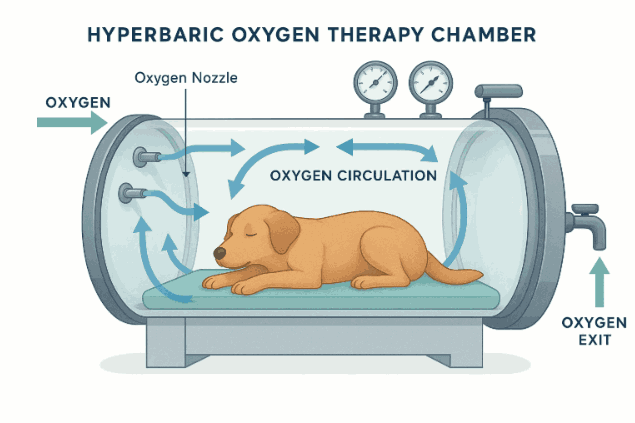
The concept is borrowed directly from human medicine. A pet HBOT chamber is a sealed unit where your dog, cat, or even horse breathes in 100% oxygen at a pressure higher than normal ATAospheric levels. (HBOT” small animal hospital ” college of veterinary medicine ” university of Florida)
Inside, the oxygen is pushed deeper into body tissues, even into areas with poor circulation. That means more oxygen where healing is needed most.
The difference? Veterinary chambers are adapted for comfort and safety:
- Padded floors or mats
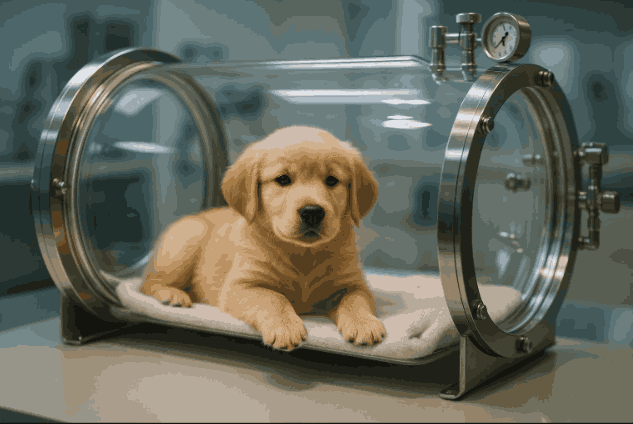
- Transparent walls so the vet (and you) can see the pet
- Ventilation systems are designed for animal respiration rates
- Sometimes, even a calm, dimly lit environment to reduce stress
Conditions That May Benefit From HBOT In Pets
One of the biggest surprises is how wide the range is. I’ve seen pets respond well to HBOT for:
- Wound healing – Post-surgery incisions, burns, or slow-healing injuries.
- Neurological issues – From spinal cord injuries to stroke-like symptoms.
- Severe infections – Particularly ones resistant to standard antibiotics.
- Inflammatory conditions – Arthritis, swelling after trauma.
- Post-anesthetic recovery – Getting pets back on their feet faster after surgery.
If you’ve ever watched a dog struggle for weeks with a stubborn paw wound, you’ll understand why an option that can speed up tissue repair by days feels like a notable.
The Science Behind Oxygen And Recovery
Here’s why HBOT works for pets in a nutshell:
- Higher oxygen concentration in the blood Speeds up cell repair and growth.
- Reduced swelling – Oxygen under pressure helps shrink inflamed tissues.
- Better circulation in damaged areas – Even tissues starved of blood flow get oxygenated.
- Enhanced immune response – Oxygen supercharges white blood cells, helping fight infection.
And while the idea of “more oxygen equals faster healing” might sound oversimplified, it’s backed by decades of research, first in humans, now in veterinary medicine.
What A Typical Pet HBOT Session Looks Like?
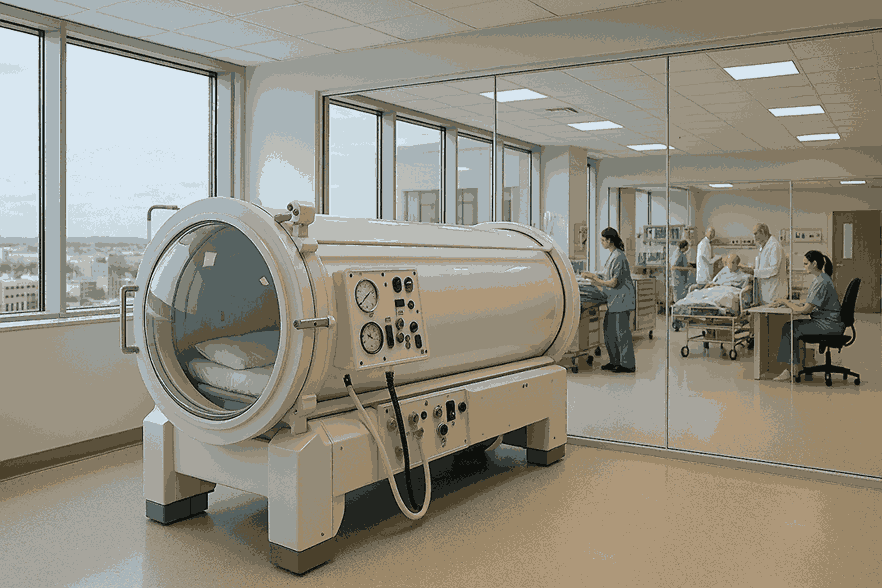
If your vet suggests a pet hyperbaric oxygen chamber, here’s what usually happens:
- Pre-session check – Your pet gets a physical exam and possibly basic blood work.
- Getting comfortable – Pets are placed inside with gentle reassurance; sometimes owners can be in the room to help calm them.
- The session – Pressure increases slowly to avoid ear discomfort, then oxygen flows in. Sessions usually last 45–90 minutes.
- Monitoring – Vets or technicians watch your pet the entire time. Some clinics use video feeds; others are right next to the chamber.
Afterwards, most pets walk out like nothing happened, no grogginess, no downtime.
What Are the Side Effects and Risks?
This is where it’s important to be selective about where you go. HBOT for pets should only be done under veterinary supervision, ideally by someone trained in hyperbaric protocols for animals. (Mago, 2024)
Things a reputable clinic will do:
- Monitor your pet’s breathing, comfort, and body temperature.
- Avoid HBOT in pets with certain conditions (like untreated lung disease).
- Adjust session length and pressure based on size, age, and medical condition.
If you’re ever unsure, ask about their safety history and emergency procedures. If they dodge the question, find another provider.
Costs, Access, And Availability
The cost of pet HBOT depends on your location, your pet’s condition, and how many sessions are needed. On average:
- Small clinics: $75–$125 per session.
- Specialized veterinary hospitals: $150–$250 per session.
Some owners explore at-home options for large animals, but that’s another conversation entirely. If you’re curious about ownership vs. in-clinic treatment, it’s worth reading Can I Buy My Own Hyperbaric Chamber? first.
Choosing The Right Provider For Pet HBOT
Not every vet clinic offering HBOT is equally equipped. Here’s what to ask before committing:
- Experience – How many pets have you treated with HBOT?
- Specialization – Do you focus on certain conditions?
- Monitoring – How do you keep pets calm and safe inside the chamber?
- Emergency protocol – If something goes wrong, what’s the plan?
This isn’t just about finding the closest clinic. It’s about finding the safest one.
Realistic Expectations You Should Have
Here’s the thing, a pet hyperbaric oxygen chamber is not a magic bullet. It’s a tool.
It works best when paired with traditional veterinary care: surgery, medication, and rehab.
If your dog has a chronic condition, HBOT may improve comfort and speed up recovery, but it won’t “cure” the underlying disease.
The goal here isn’t miracle cures. It’s better healing, less pain, and more quality time with your pet.
Myths About Pet HBOT That Need Clearing Up
- “It’s just for expensive show animals.” – Wrong. Many rescue organizations now use HBOT for injured shelter pets.
- “It’s dangerous for small animals.” – If done by trained staff, it’s safe for cats, small dogs, even rabbits.
- “One session is enough.” – Most cases require multiple sessions to see real benefit.
And perhaps the biggest myth? HBOT is experimental in pets. It’s been used for years, the awareness is just catching up.
A Quick Word On The Risks
Even with advanced safety measures in place, hyperbaric oxygen therapy isn’t entirely risk-free. Some patients may experience temporary ear discomfort from pressure changes, while others report mild fatigue following sessions.
In extremely rare cases, typically only with improper use, oxygen toxicity can occur.
This is why, if you’ve ever asked yourself “Can you die in a hyperbaric chamber?”, the answer depends entirely on strict adherence to established safety protocols.
The same rigorous standards apply when HBOT is used for pets, ensuring every session is conducted with the highest level of care.
Common Pet Conditions And HBOT Potential Benefits
| Condition | Potential Benefit | Typical Session Range |
| Post-surgical wounds | Faster healing, less swelling | 5–10 |
| Chronic infections | Improved immune response | 10–20 |
| Neurological injury | Support nerve healing | 15–30 |
| Arthritis | Reduced inflammation | Ongoing, 1–2 per week |
| Severe trauma | Improved oxygen to the damaged tissue | Daily for the first week |
Final Thoughts
If your vet suggests HBOT, it’s not because they’re chasing trends, it’s because they’ve seen it work.
The science is sound, the safety record is strong, and for many pets, it’s the difference between a slow, painful recovery and a faster, more comfortable one.
The pet hyperbaric oxygen chamber might look like something out of science fiction, but for animals in need, it’s simply another way of saying: we’ll do everything we can to help you heal.
References
- Hyperbaric oxygen chamber ” small animal hospital ” college of veterinary medicine ” Link
- Mago, V. (2024). Safety of hyperbaric medicine in clinical scenarios. National Library of Medicine
Veterinary HBOT applications mirror human medicine: improved tissue oxygenation, anti-inflammatory effects, antimicrobial activity, and enhanced tissue regeneration. Veterinary-specific uses include intervertebral disc disease, snake envenomation, smoke inhalation injury, and pythiosis.1
References
- Today’s Veterinary Practice. “Diving In: Hyperbaric Oxygen Therapy in Veterinary Medicine.” Review of mechanisms and clinical applications.
- 2021 Retrospective Study. “Common Uses and Adverse Effects of Hyperbaric Oxygen Therapy in Small Animal Patients.” Front Vet Sci. PMC8686595. DOI: 10.3389/fvets.2021.764002
Medical Disclaimer
The content on BaricBoost.com is for informational purposes only and is not intended as a substitute for professional medical advice, diagnosis, or treatment. Always seek the advice of your physician or other qualified health provider with any questions you may have regarding a medical condition. Never disregard professional medical advice or delay in seeking it because of something you have read on this website.

Author
Seph Fontane Pennock is the founder of BaricBoost.com and Regenerated.com, a clinic directory for regenerative medicine serving 10,000+ providers across the United States. He previously built and sold PositivePsychology.com, which grew to 19 million users and became the largest evidence-based positive psychology resource on the web. Seph brings direct experience as an HBOT patient, having completed protocols at clinics across three continents while navigating mold illness, systemic inflammation, and autoimmune conditions. His treatment journey includes hyperbaric oxygen therapy, peptide protocols, NAD+ therapy, and consultations with specialists from Dubai to Cape Town to Mexico. This combination of entrepreneurial track record and lived patient experience shapes everything published on BaricBoost.com. Every article is grounded in peer-reviewed research, informed by real clinical encounters, and written for patients making high-stakes treatment decisions. Seph's focus is on bringing transparency, scientific rigor, and practical guidance to the hyperbaric oxygen therapy space.
Why Trust Our Evaluations
Our rankings are based on hands-on testing, published clinical data, and verified manufacturer specifications. We apply the same criteria to every product regardless of affiliate status. Editorial Process · Evaluation Methodology