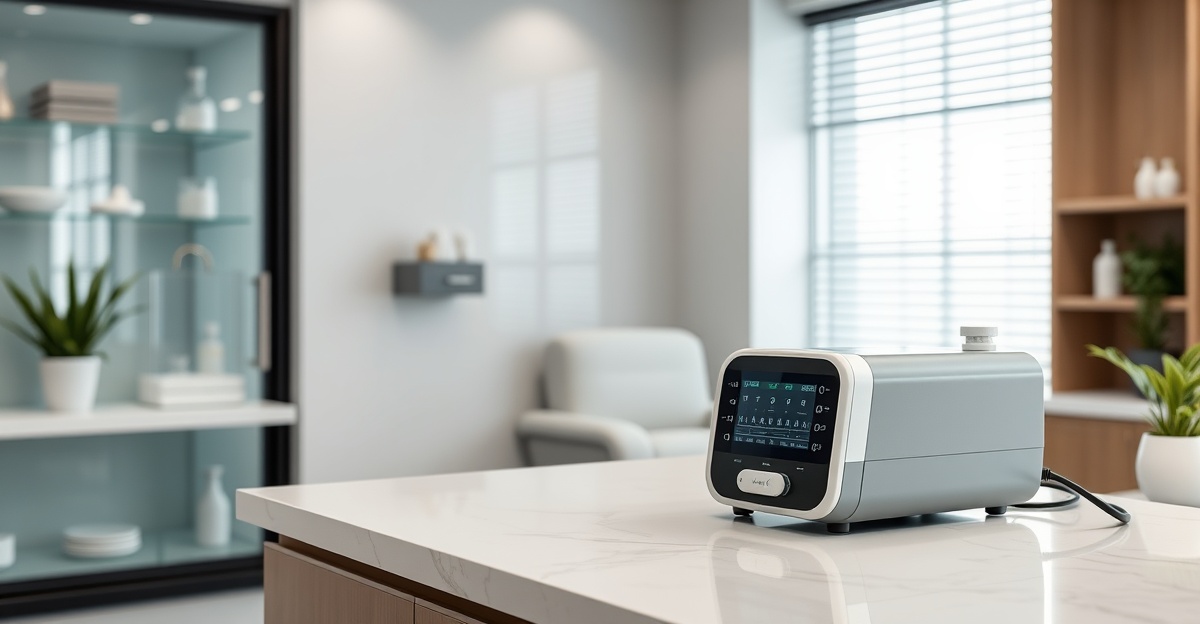
Nasal ozone therapy, also called nasal ozone insufflation, involves gently flowing a low-concentration ozone/oxygen gas mixture into the nasal passages and sinus cavities. It is one of the simplest and most accessible forms of ozone therapy, often performed at home with inexpensive equipment. Practitioners and patients use it for chronic sinusitis, allergies, brain fog, and upper respiratory infections. The evidence base is extremely limited, consisting mostly of case reports and practitioner observations, but the low cost and minimal risk profile have made it one of the most popular entry points into ozone therapy.
Unlike IV ozone (major autohemotherapy) or rectal insufflation, nasal ozone delivers the gas directly to mucosal tissue in the nose and sinuses. The concentrations used are much lower than systemic ozone treatments, typically in the range of 1/20th to 1/10th of what IV protocols use. This matters because nasal and sinus tissue is delicate, and higher concentrations would cause irritation and damage.
Key Takeaways
- Nasal ozone uses very low concentrations: Typically 1-10 mcg/mL, far below the 20-70 mcg/mL range used in IV ozone therapy
- Primary targets are sinusitis, allergies, and brain fog: The gas contacts sinus mucosal tissue directly, and may reach the cribriform plate near the olfactory bulb
- Evidence is extremely limited: No randomized controlled trials exist for nasal ozone insufflation specifically. Evidence comes from case reports and clinical observations
- Home use is common: A medical ozone generator, oxygen tank, and nasal insufflation kit cost $1,500-3,000 total. Per-session cost at a clinic runs $50-150
- Safety depends on concentration: Too-high concentrations can damage nasal mucosa. Never use concentrations above 10 mcg/mL for nasal insufflation
How Nasal Ozone Insufflation Works
The procedure is straightforward. A medical-grade ozone generator produces an ozone/oxygen gas mixture at a specified concentration. The gas flows through medical-grade tubing into a nasal cannula or specially designed nasal olive (a soft, rounded fitting that seals gently against the nostril). The patient breathes normally through the mouth while the ozone flows into one or both nostrils for 30 seconds to 2 minutes per side.
The ozone contacts the nasal mucosa, where it reacts with the moisture and lipids on the tissue surface. This produces reactive oxygen species (ROS) and lipid oxidation products (LOPs) locally. These byproducts are what drive the proposed therapeutic effects: antimicrobial action, local immune modulation, and reduced mucosal inflammation.
Why the Concentration Must Be Low
Nasal tissue is far more sensitive than skin or rectal mucosa. The concentration for nasal insufflation is typically 1 to 10 mcg/mL, compared to 20 to 70 mcg/mL for IV major autohemotherapy and 15 to 35 mcg/mL for rectal insufflation. Using concentrations appropriate for systemic ozone on nasal tissue would cause burning, irritation, and potential damage to the olfactory epithelium.
Most home-use protocols start at the lowest available concentration (often around 1-3 mcg/mL) and increase gradually based on tolerance. If there is any burning or significant discomfort, the concentration is too high.
Conditions Targeted
Chronic Sinusitis
This is the most common reason people try nasal ozone. Chronic rhinosinusitis affects 12% of the US population and is notoriously difficult to treat when it does not respond to standard therapies (nasal steroids, saline irrigation, antibiotics). The theory behind ozone is that its antimicrobial properties can reduce the bacterial and fungal biofilms that maintain chronic sinus infections, while its anti-inflammatory effects may reduce mucosal swelling.
Practitioners report that patients with chronic sinusitis often notice improved breathing and reduced post-nasal drip after a series of nasal ozone sessions. However, these observations have not been validated in controlled studies. For a dedicated look at this application, see the guide on ear ozone therapy, which covers related ozone insufflation approaches for ENT conditions.
Allergic Rhinitis
Some ozone practitioners use nasal insufflation for seasonal and perennial allergies. The proposed mechanism is immune modulation at the mucosal level, reducing the overactive immune response that drives allergic inflammation. Anecdotal reports suggest reduced congestion and sneezing in some patients, but no clinical trials have tested this application.
Brain Fog and Cognitive Symptoms
This is perhaps the most speculative application. The theory is that ozone delivered through the nasal passages may reach the cribriform plate, the thin bone separating the nasal cavity from the brain, and influence the olfactory bulb and nearby brain structures. Some practitioners and patients report improved mental clarity after nasal ozone, particularly in the context of mold illness, Lyme disease, or long COVID.
The anatomical pathway is plausible. Intranasal drug delivery is a well-established pharmaceutical route precisely because it bypasses the blood-brain barrier through the olfactory and trigeminal nerve pathways. Whether ozone or its metabolic byproducts actually reach brain tissue through this route in therapeutically relevant amounts is unknown.
Nasal ozone insufflation is one of the most popular forms of home ozone therapy, but it is also one of the least studied. The theoretical basis is reasonable, the safety profile is acceptable at proper concentrations, and the cost is low. What is missing is clinical evidence.
Home Use Protocols
Many ozone therapy users perform nasal insufflation at home. The equipment required includes:
- Medical-grade ozone generator: Must produce precise, adjustable concentrations. Common units used for home ozone therapy include the Promolife, Stratus, and Longevity devices. Cost: $1,000-2,500.
- Oxygen source: A small oxygen tank or medical oxygen concentrator to feed the generator. Ozone generators require pure oxygen input to produce medical-grade ozone. Cost: $200-500.
- Nasal cannula or nasal olive: Silicone fittings designed for comfortable nasal delivery. Cost: $10-30.
- Regulator and tubing: Ozone-resistant tubing (silicone, not rubber or PVC, which ozone degrades). Cost: $50-100.
Typical Home Protocol
| Parameter | Starting Protocol | Working Protocol |
|---|---|---|
| Concentration | 1-3 mcg/mL | 5-10 mcg/mL |
| Flow rate | 1/32 to 1/16 L/min | 1/16 to 1/8 L/min |
| Duration per nostril | 15-30 seconds | 30-60 seconds |
| Frequency | 1-2 times per week | 3-5 times per week |
| Total sessions | Start with 4-6 sessions | Ongoing as needed |
The critical rule is to start low and increase gradually. Any burning, stinging, or headache means the concentration or duration is too high. Some patients breathe the gas gently through the nose for the full duration; others prefer to breathe through the mouth and simply let the gas flow passively into the nasal cavity.
Safety Considerations
Risks at Proper Concentrations
When performed correctly at 1-10 mcg/mL, nasal ozone insufflation carries minimal risk. The most common side effects are mild nasal dryness, brief stinging or tingling sensation, sneezing, and temporary runny nose. These are typically self-limiting and resolve within minutes.
Risks at Improper Concentrations
Using concentrations above 10 mcg/mL nasally can cause mucosal irritation and damage, headache, coughing (if gas reaches the throat), and potential harm to olfactory tissue with repeated exposure. This is why precise equipment with reliable concentration settings is essential. Cheap generators with inaccurate output readings are a genuine safety concern.
Contraindications
- Active nosebleed or nasal surgery recovery
- Severe deviated septum or nasal polyps (may block gas distribution)
- Pregnancy (insufficient safety data for any ozone therapy during pregnancy)
- G6PD enzyme deficiency (contraindication for all ozone therapy)
Cost
| Option | Initial Cost | Per-Session Cost |
|---|---|---|
| Home setup (generator + oxygen + accessories) | $1,500-3,000 | $1-3 (oxygen only) |
| Clinic visit (nasal insufflation only) | N/A | $50-150 |
| Clinic visit (combined with other ozone) | N/A | $100-300 (total visit) |
The home option becomes economical quickly. After the initial equipment investment, each session costs only the oxygen consumed, which amounts to a few dollars. Patients who plan to use nasal ozone regularly typically invest in home equipment after 10 to 15 clinic sessions.
Combining with Other Approaches
Many patients combine nasal ozone with other sinus and nasal therapies:
- Saline nasal irrigation (neti pot or NeilMed): Often performed before nasal ozone to clear mucus and open passages. Some practitioners recommend a saline rinse 30 minutes before ozone to prepare the tissue.
- Xylitol nasal spray: Used alongside ozone for its antibiofilm properties.
- Colloidal silver nasal spray: Some integrative practitioners combine this with ozone for chronic sinus infections.
- BEG spray (Bactroban, EDTA, gentamicin): A prescription nasal spray used in mold and biofilm-related sinusitis. Some patients alternate BEG days with ozone days.
Frequently Asked Questions
Can I breathe in ozone?
You should not deeply inhale ozone gas. During nasal insufflation, the gas flows gently into the nasal cavity while you breathe through your mouth. The ozone reacts with nasal mucosa on contact and should not reach the lungs in significant amounts at proper flow rates. If you feel any irritation in your throat or lungs, stop immediately and reduce the flow rate or concentration.
How quickly do people notice results?
Patients with chronic sinusitis often report improved nasal breathing within 3 to 5 sessions. Brain fog improvements, if they occur, typically take longer (2 to 4 weeks of regular use). These are anecdotal timelines, not evidence-based benchmarks.
Is nasal ozone the same as ear ozone?
They are related but target different structures. Nasal insufflation targets the nasal passages and sinus cavities. Ear (aural) insufflation targets the ear canal and, via the Eustachian tube, can reach the throat and sinus area indirectly. Some practitioners use both.
Sources
- Bocci V. Ozone: A New Medical Drug. 2nd ed. Springer, 2011. DOI: 10.1007/978-90-481-9234-2
- Sagai M, Bocci V. “Mechanisms of action involved in ozone therapy: is healing induced via a mild oxidative stress?” Medical Gas Research, 2011. DOI: 10.1186/2045-9912-1-29
- Lochhead JJ, Thorne RG. “Intranasal delivery of biologics to the central nervous system.” Advanced Drug Delivery Reviews, 2012. DOI: 10.1016/j.addr.2011.11.002
- Rosenfeld RM, et al. “Clinical practice guideline (update): adult sinusitis.” Otolaryngology-Head and Neck Surgery, 2015. DOI: 10.1177/0194599815572097
- Elvis AM, Ekta JS. “Ozone therapy: a clinical review.” Journal of Natural Science, Biology and Medicine, 2011. DOI: 10.4103/0976-9668.82319
Medical Disclaimer
The content on BaricBoost.com is for informational purposes only and is not intended as a substitute for professional medical advice, diagnosis, or treatment. Always seek the advice of your physician or other qualified health provider with any questions you may have regarding a medical condition. Never disregard professional medical advice or delay in seeking it because of something you have read on this website.

Author
Seph Fontane Pennock is the founder of BaricBoost.com and Regenerated.com, a clinic directory for regenerative medicine serving 10,000+ providers across the United States. He previously built and sold PositivePsychology.com, which grew to 19 million users and became the largest evidence-based positive psychology resource on the web. Seph brings direct experience as an HBOT patient, having completed protocols at clinics across three continents while navigating mold illness, systemic inflammation, and autoimmune conditions. His treatment journey includes hyperbaric oxygen therapy, peptide protocols, NAD+ therapy, and consultations with specialists from Dubai to Cape Town to Mexico. This combination of entrepreneurial track record and lived patient experience shapes everything published on BaricBoost.com. Every article is grounded in peer-reviewed research, informed by real clinical encounters, and written for patients making high-stakes treatment decisions. Seph's focus is on bringing transparency, scientific rigor, and practical guidance to the hyperbaric oxygen therapy space.