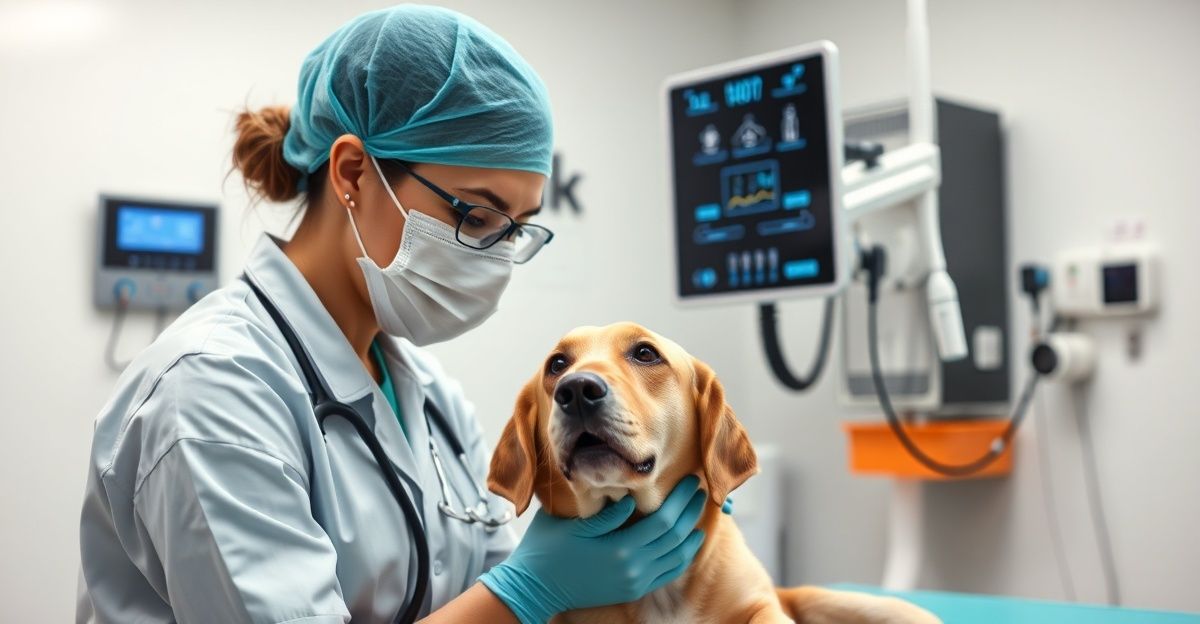
Ozone therapy is used across veterinary medicine to treat dogs, cats, horses, and exotic animals for conditions ranging from infected wounds to degenerative joint disease to chronic infections. Veterinary ozone therapy has grown significantly in the past decade, driven by practitioners looking for effective alternatives to long-term antibiotics and anti-inflammatory drugs. While the evidence base is smaller than in human medicine, clinical data and widespread practitioner experience support its use for several conditions across species.
This guide covers ozone therapy applications by species, the evidence behind each use, typical protocols, costs, and how to find a qualified veterinary ozone practitioner.
Key Takeaways
- Equine ozone therapy is the most established application, particularly for joint injections and wound care in horses1
- Dogs benefit from ozone therapy for chronic ear infections, skin conditions, intervertebral disc disease, and oral infections2
- Ozone can reduce antibiotic dependence in animals, which is increasingly important as veterinary antibiotic resistance grows
- Rectal insufflation is the most commonly used systemic modality in small animals due to ease of administration
- Costs range from $50 to $200 per treatment depending on species, modality, and geographic location
How Ozone Therapy Works in Animals
The biochemistry of ozone therapy is the same across species. When ozone (O3) contacts blood or tissue, it reacts within seconds to produce reactive oxygen species (ROS) and lipid oxidation products (LOPs). These molecules activate the Nrf2 transcription factor, which upregulates antioxidant enzymes and downregulates inflammatory pathways.3
In animals, the therapeutic effects include:
- Antimicrobial action: Ozone kills bacteria, viruses, and fungi on contact, making it valuable for infected wounds and chronic infections
- Anti-inflammatory effects: Reduction of pro-inflammatory cytokines, particularly useful for joint disease and chronic conditions
- Improved oxygen delivery: Increased 2,3-DPG in red blood cells improves tissue oxygenation
- Immune modulation: Stimulates immune function without suppressing it, useful for chronic infections and autoimmune-related conditions
Ozone Therapy by Species
Horses (Equine Ozone Therapy)
Equine medicine has been one of the earliest and most enthusiastic adopters of ozone therapy. Performance horses, in particular, benefit from ozone’s joint and wound healing properties.
Joint injections: Intra-articular ozone is used for osteoarthritis, synovitis, and joint inflammation in horses. A study by Spadari et al. found that ozone gas injections into equine joints reduced lameness scores and joint effusion in horses with osteoarthritis.1 The treatment is often combined with or used as an alternative to corticosteroid injections, which can damage cartilage over time.
Wound care: Horse wounds are notoriously difficult to manage due to size, location, and contamination risk. Topical ozone gas application and ozonated oils accelerate granulation tissue formation and reduce bacterial load without the systemic side effects of antibiotics.4
Tendon and ligament injuries: Peri-tendinous ozone injections are used for tendonitis and desmitis in performance horses. While controlled studies are limited, clinical reports suggest faster return to work compared to rest alone.
Rectal insufflation: Used systemically for overall immune support, chronic infections, and recovery from illness. Well-tolerated by horses and easy to administer.
“In equine practice, ozone therapy fills a gap that conventional treatments cannot. When a performance horse needs joint support without the cartilage-damaging effects of repeated steroid injections, ozone provides a viable alternative.” Spadari A et al., Journal of Equine Veterinary Science, 2018
Dogs (Canine Ozone Therapy)
Ozone therapy for dogs addresses a wide range of conditions. For a detailed guide, see our complete article on ozone therapy for dogs.
Chronic ear infections (otitis externa): Dogs with recurrent ear infections, especially breeds like Cocker Spaniels and Labrador Retrievers, often cycle through repeated courses of antibiotics and antifungals. Ozonated oil applied to the ear canal provides antimicrobial effects without contributing to antibiotic resistance.2
Intervertebral disc disease (IVDD): Oxygen-ozone injections into herniated discs have been studied in dogs, particularly dachshunds and other chondrodystrophic breeds. The mechanism mirrors human intradiscal ozone therapy: ozone oxidizes proteoglycans in the herniated disc material, reducing disc volume and pressure on the spinal cord.
Skin conditions: Hot spots, pyoderma, allergic dermatitis, and fungal infections respond to topical ozone gas and ozonated oils. These are particularly useful for dogs who cannot tolerate systemic antifungals or long-term antibiotic courses.
Dental disease: Periodontal disease is the most common health problem in dogs. Ozone gas application during dental procedures reduces bacterial counts in periodontal pockets and promotes gum tissue healing.
Cancer adjunct: Some veterinary oncologists use ozone therapy alongside conventional cancer treatment to support immune function and improve quality of life. This application is based on human clinical data and should be considered experimental in veterinary medicine.
Cats (Feline Ozone Therapy)
Cats present unique challenges for ozone therapy due to their sensitivity to stress and handling. The most commonly used modality is rectal insufflation, which is well-tolerated by most cats.
Feline stomatitis: This painful oral condition causes severe inflammation of the mouth and is notoriously difficult to treat. Ozone gas application to the oral cavity has shown promise in reducing inflammation and bacterial load.
Chronic upper respiratory infections: Cats with chronic herpesvirus or calicivirus infections benefit from ozone’s immune-modulating effects. Rectal insufflation is the preferred systemic delivery method.
Chronic kidney disease: Some veterinary practitioners report improvements in kidney function markers and quality of life in CKD cats treated with ozone therapy, though controlled studies are lacking.
Exotic Animals
Ozone therapy is being explored in exotic veterinary medicine for reptiles (wound healing, respiratory infections), birds (aspergillosis, air sac infections), and small mammals (rabbits, ferrets, guinea pigs). Protocols are adapted from small animal medicine with species-specific dose adjustments.
Common Veterinary Ozone Modalities
| Modality | Application | Species | Cost per Treatment |
|---|---|---|---|
| Rectal insufflation | Systemic immune support, infections | Dogs, cats, horses | $50-$100 |
| Intra-articular injection | Joint disease, osteoarthritis | Horses, dogs | $100-$200 |
| Topical ozone gas (bagging) | Wound healing, skin conditions | All species | $50-$150 |
| Ozonated oils (topical) | Ear infections, skin lesions, wounds | All species | $20-$60 (product cost) |
| Minor autohemotherapy | Immune stimulation, allergies | Dogs, horses | $75-$150 |
| Prolozone (ozone + prolotherapy) | Joint and tendon injuries | Dogs, horses | $100-$250 |
Finding a Veterinary Ozone Practitioner
Veterinary ozone therapy is typically offered by holistic or integrative veterinarians. Look for practitioners who have completed ozone therapy training through programs like:
- International Veterinary Academy of Ozone Therapy: Offers certification for veterinary professionals
- American Holistic Veterinary Medical Association (AHVMA): Member directory includes practitioners who offer ozone therapy
- Chi University: Offers veterinary integrative medicine training including ozone therapy modules
Questions to ask a prospective veterinary ozone practitioner:
- What specific ozone training have you completed?
- How many animals have you treated with ozone therapy?
- Which conditions have you had the best results with?
- What ozone generator and concentration monitoring equipment do you use?
- Do you coordinate with board-certified specialists when needed?
The Bottom Line
Veterinary ozone therapy is a growing field with established applications in equine joint disease, canine wound care and chronic infections, and feline oral health. While the veterinary evidence base is smaller than in human medicine, the underlying biochemistry is identical across species, and clinical experience from thousands of veterinary practitioners supports its safety and efficacy. Costs are generally reasonable compared to conventional alternatives, and the reduced dependence on antibiotics is an increasingly important benefit. Find a practitioner with proper ozone training and experience with your animal’s species.
References
- Spadari A, Romagnoli N, Predieri PG, et al. Effects of intraarticular treatment with ozone in horses with osteoarthritis. Journal of Equine Veterinary Science. 2018;65:47-53.
- Hao K, Li S, Xie W. Ozone therapy in veterinary medicine: A review. Frontiers in Veterinary Science. 2022;9:1038775. doi:10.3389/fvets.2022.1038775
- Bocci V. Ozone: A New Medical Drug. 2nd ed. Springer; 2011. doi:10.1007/978-90-481-9234-2
- Valacchi G, Fortino V, Bocci V. The dual action of ozone on the skin. British Journal of Dermatology. 2005;153(6):1096-1100. doi:10.1111/j.1365-2133.2005.06939.x
Medical Disclaimer
The content on BaricBoost.com is for informational purposes only and is not intended as a substitute for professional medical advice, diagnosis, or treatment. Always seek the advice of your physician or other qualified health provider with any questions you may have regarding a medical condition. Never disregard professional medical advice or delay in seeking it because of something you have read on this website.

Author
Seph Fontane Pennock is the founder of BaricBoost.com and Regenerated.com, a clinic directory for regenerative medicine serving 10,000+ providers across the United States. He previously built and sold PositivePsychology.com, which grew to 19 million users and became the largest evidence-based positive psychology resource on the web. Seph brings direct experience as an HBOT patient, having completed protocols at clinics across three continents while navigating mold illness, systemic inflammation, and autoimmune conditions. His treatment journey includes hyperbaric oxygen therapy, peptide protocols, NAD+ therapy, and consultations with specialists from Dubai to Cape Town to Mexico. This combination of entrepreneurial track record and lived patient experience shapes everything published on BaricBoost.com. Every article is grounded in peer-reviewed research, informed by real clinical encounters, and written for patients making high-stakes treatment decisions. Seph's focus is on bringing transparency, scientific rigor, and practical guidance to the hyperbaric oxygen therapy space.