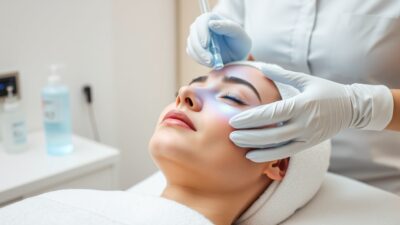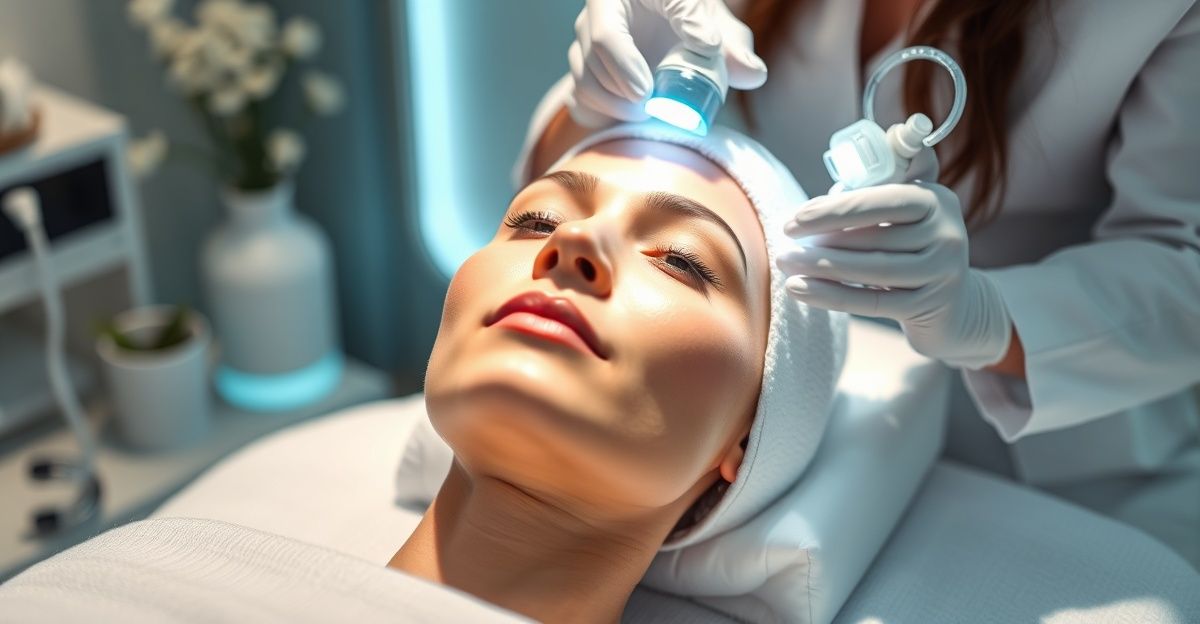
Oxygen therapy facials blast pressurized pure oxygen infused with vitamins and serums onto your face, promising an instant glow that has made them a favorite among celebrities and red-carpet regulars. Madonna reportedly gets them before every public appearance. Jennifer Aniston swears by them. But behind the celebrity endorsements lies a treatment with very little scientific backing and some genuine skepticism from dermatologists.
Key Takeaways
- Oxygen facials use a pressurized stream of 90-95% oxygen to push serums into the skin
- Clinical evidence for long-term benefits is extremely limited
- Results are primarily temporary hydration and plumping that lasts 24-72 hours
- Sessions cost $75-200 on average, with high-end spas charging up to $500
- The skin receives most of its oxygen from blood supply, not topical application
What Is an Oxygen Therapy Facial?
An oxygen facial is a cosmetic treatment that delivers a concentrated stream of pressurized oxygen to the skin’s surface, typically infused with vitamins, minerals, botanical extracts, and hyaluronic acid. The procedure uses a specialized machine that produces a high-pressure flow of oxygen, which an esthetician directs across the face using a small, pen-like wand.
The concept was originally developed by an Australian company in the early 2000s and quickly gained traction in Hollywood. The idea is that pressurized oxygen helps push active ingredients deeper into the skin than topical application alone, while the oxygen itself supposedly stimulates cellular metabolism and collagen production.
This is distinct from hyperbaric oxygen therapy (HBOT), which involves breathing 100% oxygen in a pressurized chamber. Oxygen facials are purely topical and apply oxygen only to the skin’s surface.
How Does an Oxygen Facial Work?
The treatment follows a multi-step process:
- Cleansing: The esthetician removes makeup and cleanses the skin thoroughly
- Exfoliation: Dead skin cells are removed, often with a gentle chemical exfoliant or microdermabrasion
- Oxygen infusion: Using a pressurized wand, the esthetician sprays a fine mist of oxygen combined with a customized serum across the face
- Serum application: Additional serums may be applied and pressed into the skin
- Finishing: A moisturizer and sunscreen are applied
The oxygen stream typically contains 90-95% pure oxygen and is delivered at controlled pressure. The serums infused alongside the oxygen commonly include hyaluronic acid (a powerful humectant), vitamin C, peptides, growth factors, and botanical antioxidants.
A full session takes about 30-60 minutes. There is no downtime. Most people return to normal activities immediately.
Proposed Benefits
Proponents claim oxygen facials deliver a range of skin benefits:
- Instant hydration: Hyaluronic acid draws moisture into the skin, creating a plumped, dewy look
- Brightened complexion: The “oxygen glow” effect
- Reduced fine lines: Temporary plumping minimizes the appearance of wrinkles
- Even skin tone: Vitamin C and antioxidants target hyperpigmentation
- Collagen stimulation: Oxygen supposedly triggers increased collagen synthesis
- Acne improvement: Oxygen creates an inhospitable environment for anaerobic acne bacteria
- No irritation: Suitable for sensitive skin with no redness or peeling
What Does the Evidence Say?
The honest answer: not much. Despite the treatment’s popularity, clinical research specifically on cosmetic oxygen facials is remarkably sparse.
Topical Oxygen Therapy Research
A 2018 review published in the Indian Journal of Dermatology examined topical oxygen therapy applications in dermatology. The review found that topical oxygen showed some promise as an adjuvant treatment for hair loss conditions, mild to moderate acne, and chronic wounds. However, the authors noted that the studies were small, and conclusive evidence was still lacking.1
“Scientific evidence for those claims are waiting to be provided.”
Indian Journal of Dermatology, 2018
The Oxygen Delivery Problem
Here is the fundamental challenge with oxygen facials. The skin receives its oxygen supply primarily from the blood, not from the air. The outermost layer of skin (the stratum corneum) is dead tissue. Living skin cells in the deeper layers get their oxygen from capillaries in the dermis.2
Some dermatologists argue that applying oxygen topically has minimal physiological effect because it cannot penetrate deeply enough to reach the living cells that would benefit from it. The pressurized delivery may enhance absorption of the accompanying serums, but the oxygen itself may not be the active ingredient.
Hyperbaric Oxygen and Skin Rejuvenation
There is some research on hyperbaric oxygen therapy (HBOT) and skin health, though this is a fundamentally different treatment. A 2014 review in the Journal of Cosmetic Dermatology noted that HBOT has been promoted for skin rejuvenation, but the current evidence does not support aesthetic applications as an approved indication.3
A 2024 evidence-based review confirmed this position, noting that while HBOT shows promise for wound healing and certain medical skin conditions, the evidence for purely cosmetic benefits remains insufficient.4
What Is Actually Producing the Results?
The immediate glow that people experience after an oxygen facial likely comes from several factors that have nothing to do with the oxygen:
- Hyaluronic acid: This ingredient draws water into the skin, creating instant plumping and hydration
- Exfoliation: Removing dead skin cells reveals brighter skin underneath
- Serum ingredients: Vitamin C, peptides, and antioxidants provide genuine short-term skin benefits
- Hydration: The misting process thoroughly hydrates the skin
- Increased circulation: The pressure of the oxygen stream may temporarily boost blood flow to the face
In other words, you are likely paying for a high-quality serum treatment delivered in a novel way. The oxygen may simply be the delivery mechanism, not the active ingredient.
What a Session Looks Like
Walking into a spa for an oxygen facial, you can expect:
| Step | Duration | What Happens |
|---|---|---|
| Consultation | 5 min | Skin type assessment, serum selection |
| Cleansing | 5 min | Makeup removal, double cleanse |
| Exfoliation | 5-10 min | Gentle chemical or physical exfoliation |
| Oxygen infusion | 15-20 min | Pressurized O2 + serums applied to face |
| Finishing | 5-10 min | Moisturizer, SPF, aftercare instructions |
The treatment feels like a cool, gentle breeze on your skin. There is no pain, no downtime, and no peeling. This is one of the treatment’s genuine strengths: it is non-irritating and suitable for sensitive skin types, making it a popular choice before events where redness or flaking would be problematic.
How Long Do Results Last?
This is where expectations need to be managed carefully. The effects of an oxygen facial are temporary.
- Immediate glow: Lasts 24-48 hours
- Hydration boost: Lasts 48-72 hours
- Fine line reduction: Lasts 24-48 hours (the plumping effect fades as hydration normalizes)
For sustained results, practitioners typically recommend treatments every 1-2 weeks. At $100-200 per session, this adds up to $400-800 per month, which places oxygen facials firmly in the luxury category.
How Much Does an Oxygen Facial Cost?
| Setting | Price Range |
|---|---|
| Day spa | $75-150 |
| Medical spa | $100-200 |
| Dermatologist office | $150-250 |
| High-end/celebrity spa | $250-500+ |
Most sessions fall in the $100-200 range. Package deals can bring the per-session cost down by 10-20%.
Oxygen Facials vs. Other Facial Treatments
How does an oxygen facial compare to other popular skin treatments?
| Treatment | Evidence Base | Downtime | Cost | Results Duration |
|---|---|---|---|---|
| Oxygen facial | Very limited | None | $75-200 | 1-3 days |
| Chemical peel | Strong | 1-7 days | $100-300 | Weeks to months |
| Microneedling | Strong | 1-3 days | $200-700 | Months |
| HydraFacial | Moderate | None | $150-300 | 5-7 days |
| LED light therapy | Moderate | None | $50-150 | Cumulative |
Treatments with stronger evidence bases, like chemical peels and microneedling, tend to produce longer-lasting results but come with downtime. Oxygen facials occupy a niche as a zero-downtime, feel-good treatment, perfect before an event but not a workhorse for long-term skin improvement.
Who Is It Best For?
Oxygen facials may be a reasonable choice if you:
- Need an immediate glow before an event (wedding, photoshoot, date)
- Have sensitive skin that reacts to more aggressive treatments
- Want a pampering, relaxing spa experience
- Are looking for a gentle introduction to professional skincare
They are probably not worth the investment if you:
- Are looking for lasting anti-aging results
- Want evidence-based treatment for acne, scarring, or hyperpigmentation
- Are on a budget and need to choose one facial treatment
Side Effects and Risks
Oxygen facials are considered very low-risk. Most people experience no side effects. Possible reactions include:
- Temporary redness (usually fades within an hour)
- Mild tingling during treatment
- Reaction to serum ingredients (if you have known allergies, inform your esthetician)
Some dermatologists have raised a theoretical concern about oxygen and acne. The bacterium P. acnes is anaerobic and might be inhibited by oxygen. However, some skin experts have suggested that excess oxygen could potentially promote free radical damage on the skin’s surface, though this remains speculative.5
The Bottom Line
Oxygen facials are a pleasant, zero-downtime cosmetic treatment with strong celebrity appeal but weak scientific evidence. The immediate glow you see after a session is real, but it likely comes from the hyaluronic acid, serums, and hydration rather than the oxygen itself. Results last 1-3 days at best.
If you want a pre-event glow-up and have $100-200 to spend, an oxygen facial delivers on that narrow promise. If you are looking for treatments with proven, long-term skin benefits, your money is better spent on retinoids, chemical peels, microneedling, or medical-grade skincare products with actual clinical data behind them.
Frequently Asked Questions
How often should you get oxygen facials?
Practitioners recommend every 1-2 weeks for maintained results. However, given the limited evidence for cumulative benefits and the cost per session, many people use them only before special events.
Can you do oxygen facials at home?
Some companies sell at-home oxygen facial devices, but these operate at much lower pressures than professional machines and are unlikely to replicate the salon experience. At-home alternatives include applying hyaluronic acid serums and using a facial mister.
Are oxygen facials safe during pregnancy?
The oxygen itself is not a concern, but some serums used during the treatment may contain ingredients (retinol, certain essential oils) that are not recommended during pregnancy. Always inform your esthetician if you are pregnant.
Do oxygen facials help with acne?
While oxygen may temporarily inhibit anaerobic acne bacteria, there is no strong clinical evidence that oxygen facials treat acne effectively. If acne is your primary concern, consult a dermatologist for evidence-based treatments.
- Pandey S, Kalra P. Potential applications of topical oxygen therapy in dermatology. Indian J Dermatol. 2018;63(6):452-459. doi:10.4103/ijd.IJD_176_18
- Stucker M, Struk A, Altmeyer P, Herde M, Baumgartl H, Lubbers DW. The cutaneous uptake of atmospheric oxygen contributes significantly to the oxygen supply of human dermis and epidermis. J Physiol. 2002;538(Pt 3):985-994. doi:10.1113/jphysiol.2001.013067
- Hadi HA, Smerdon GR, Fox SW. The development of hyperbaric oxygen therapy for skin rejuvenation and treatment of photoaging. J Cosmet Dermatol. 2014;13(3):223-229. doi:10.1111/jocd.12105
- Parnis S, et al. The role, safety, and efficacy of hyperbaric oxygen therapy in aesthetic practice: An evidence-based review. J Cosmet Dermatol. 2024;23(4):1234-1245. doi:10.1111/jocd.16228
- Healthline. Oxygen Facials: Procedure, Efficacy, Side Effects, Cost. 2023.
Medical Disclaimer
The content on BaricBoost.com is for informational purposes only and is not intended as a substitute for professional medical advice, diagnosis, or treatment. Always seek the advice of your physician or other qualified health provider with any questions you may have regarding a medical condition. Never disregard professional medical advice or delay in seeking it because of something you have read on this website.

Author
Seph Fontane Pennock is the founder of BaricBoost.com and Regenerated.com, a clinic directory for regenerative medicine serving 10,000+ providers across the United States. He previously built and sold PositivePsychology.com, which grew to 19 million users and became the largest evidence-based positive psychology resource on the web. Seph brings direct experience as an HBOT patient, having completed protocols at clinics across three continents while navigating mold illness, systemic inflammation, and autoimmune conditions. His treatment journey includes hyperbaric oxygen therapy, peptide protocols, NAD+ therapy, and consultations with specialists from Dubai to Cape Town to Mexico. This combination of entrepreneurial track record and lived patient experience shapes everything published on BaricBoost.com. Every article is grounded in peer-reviewed research, informed by real clinical encounters, and written for patients making high-stakes treatment decisions. Seph's focus is on bringing transparency, scientific rigor, and practical guidance to the hyperbaric oxygen therapy space.