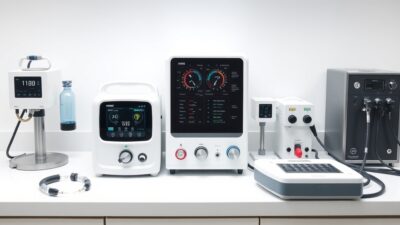
Oxygen therapy for dogs delivers supplemental oxygen to treat respiratory distress, support post-surgical recovery, and manage chronic conditions that compromise breathing. Whether your dog is in an emergency oxygen cage at the vet or receiving hyperbaric oxygen therapy for a non-healing wound, understanding the options helps you make informed decisions during stressful situations. A retrospective analysis of 2,792 veterinary hyperbaric oxygen sessions found the treatment to be safe and effective across multiple conditions.1
Key Takeaways
- Dogs need oxygen therapy for respiratory distress, heart failure, pneumonia, smoke inhalation, and post-surgical recovery.
- Delivery methods include oxygen cages, nasal cannulas, flow-by masks, and hyperbaric chambers.
- Emergency oxygen therapy costs $200 to $500 per incident. Ongoing sessions cost $50 to $100 each.
- Hyperbaric oxygen therapy (HBOT) for dogs is a growing field, with evidence supporting use for wound healing and neurological injuries.1
- Central nervous system oxygen toxicity (seizures) occurred in only 0.7% of veterinary HBOT sessions.1
When Dogs Need Oxygen Therapy
Dogs may need supplemental oxygen in both emergency and chronic care situations. Here are the most common reasons:
Emergency Situations
Respiratory distress. Any condition that prevents your dog from getting enough oxygen on their own. Signs include rapid or labored breathing, blue or purple gums (cyanosis), extended neck with open-mouth breathing, excessive panting at rest, and collapse.
Smoke inhalation. Dogs rescued from house fires often need immediate oxygen support. Smoke damages the airways and reduces the lungs’ ability to exchange gases.
Trauma. Blunt chest trauma (hit by car, falling), puncture wounds to the chest, or diaphragmatic hernias can compromise breathing and require oxygen supplementation.
Allergic reactions (anaphylaxis). Severe allergic reactions can cause airway swelling and breathing difficulty. Oxygen therapy supports the dog while anti-inflammatory medications take effect.
Medical Conditions
Congestive heart failure. When the heart cannot pump efficiently, fluid builds up in or around the lungs. Oxygen therapy helps compensate for reduced gas exchange while medications address the underlying cardiac issue.
Pneumonia. Bacterial, viral, or aspiration pneumonia fills portions of the lungs with fluid and inflammatory material. Supplemental oxygen maintains blood oxygen levels while the infection is treated.
Brachycephalic airway syndrome. Breeds with shortened skulls (Bulldogs, Pugs, Boston Terriers) have naturally compromised airways. During episodes of severe respiratory distress, oxygen therapy provides critical support.
Chronic obstructive pulmonary disease. Older dogs with chronic lung disease may need intermittent oxygen supplementation, especially during flare-ups or after exertion.
Laryngeal paralysis. Common in older large-breed dogs (Labrador Retrievers, Golden Retrievers), this condition paralyzes the muscles that open the larynx, restricting airflow. Oxygen therapy stabilizes the dog during episodes.
Post-Surgical Recovery
Dogs recovering from major surgery, particularly thoracic (chest) or airway procedures, often receive oxygen therapy during the immediate post-operative period. Anesthesia depresses respiratory drive, and supplemental oxygen ensures adequate blood oxygen levels during recovery.
Oxygen Delivery Methods for Dogs
Veterinarians use several methods to deliver oxygen to dogs, chosen based on the severity of distress and the dog’s temperament:
Oxygen Cage (Oxygen Kennel)
The most common method in veterinary hospitals. The dog is placed in a sealed acrylic or glass enclosure that is flooded with oxygen-enriched air (typically 40% to 60% oxygen concentration, compared to 21% in room air).
Advantages: Stress-free (no equipment touching the dog’s face), allows continuous monitoring, effective for anxious or aggressive patients.
Disadvantages: Expensive equipment, cannot interact with the dog during treatment, temperature and humidity must be managed inside the cage.
Nasal Cannula
A thin tube inserted into one or both nostrils and secured to the dog’s face with sutures or tape. This delivers oxygen directly to the nasal passages at flow rates of 50 to 100 mL/kg/min.
Advantages: Allows the dog to remain in an open area, precise flow rate control, can be used for extended periods.
Disadvantages: Requires a cooperative patient, may cause nasal irritation or sneezing, needs proper placement by a veterinarian.
Flow-By Oxygen
The simplest method. A tube connected to an oxygen source is held near (within 2 cm of) the dog’s nose and mouth. Oxygen flows across the face without any mask or enclosure.
Advantages: Quick to set up, no equipment on the dog, good for initial stabilization.
Disadvantages: Least efficient method (much oxygen is wasted), requires someone to hold the tube continuously, delivers lower effective oxygen concentration.
Face Mask
A cone-shaped mask placed over the dog’s muzzle, delivering concentrated oxygen. Flow rates of 6 to 10 L/min can achieve 50% to 60% inspired oxygen concentration.
Advantages: Higher oxygen concentration than flow-by, readily available in most clinics.
Disadvantages: Many dogs resist masks (especially when already distressed), can increase anxiety and worsen respiratory effort in some patients.
High-Flow Oxygen Therapy (HFOT)
A newer technique gaining popularity in veterinary emergency medicine. HFOT delivers heated, humidified oxygen at high flow rates through nasal prongs. A study of dogs with acute respiratory distress showed significant improvements: PaO2 increased from 73 mmHg to 171 mmHg, and SpO2 improved from 91.6% to 97.7% after conversion to HFOT.2
| Delivery Method | Oxygen Concentration | Stress Level | Best For |
|---|---|---|---|
| Oxygen cage | 40% to 60% | Low | Anxious dogs, extended treatment |
| Nasal cannula | 30% to 50% | Moderate | Cooperative dogs, extended use |
| Flow-by | 25% to 40% | Low | Initial stabilization, fractious dogs |
| Face mask | 50% to 60% | High | Short-term, calm dogs |
| High-flow (HFOT) | Up to 100% | Low to moderate | Severe distress, ICU patients |
Hyperbaric Oxygen Therapy (HBOT) for Dogs
Veterinary HBOT places the dog in a pressurized chamber filled with 100% oxygen at 1.5 to 3 times atmospheric pressure. This dissolves significantly more oxygen into the blood plasma than normal breathing, reaching tissues that compromised blood vessels cannot supply.
The largest published study on veterinary HBOT analyzed 2,792 treatment sessions across multiple species (primarily dogs). The most common indications were:1
- Neurological injuries: 50.4% (spinal cord injuries, intervertebral disc disease)
- Tissue healing: 31.4% (non-healing wounds, post-surgical complications)
- Oomycete infections: 5.5% (pythiosis, lagenidiosis)
- Neoplasia/post-radiation injury: 5.4%
- Miscellaneous conditions: 7.4%
A pilot study on veterinary wound healing found that HBOT allowed a decrease in wound severity classification (Modified Vancouver Scale) and was considered safe across 289 sessions with no major side effects.3
“In 2,792 veterinary HBOT sessions, central nervous system oxygen toxicity occurred in only 0.7% of treatments, with increasing age and female sex identified as risk factors.”
Birnie et al., Frontiers in Veterinary Science, 2021
For more on pet hyperbaric oxygen chambers, see our dedicated guide.
Home Oxygen for Dogs
In some cases, veterinarians prescribe home oxygen therapy for dogs with chronic conditions. This is most common for:
- Dogs with end-stage heart failure receiving palliative care
- Dogs with chronic lung disease during flare-ups
- Post-discharge support after a respiratory crisis
- Brachycephalic breeds with recurring breathing episodes
Home oxygen options:
Oxygen concentrator + cage/tent. A small oxygen concentrator (similar to those used for human patients) feeds oxygen into a plastic enclosure or tent where the dog rests. This creates a higher-oxygen environment without equipment on the dog’s face.
Portable oxygen canisters. Small cans or cylinders of compressed oxygen with a flow-by nozzle. These are useful for brief episodes but not practical for continuous use.
Important safety notes for home oxygen:
- Monitor temperature inside any oxygen enclosure. Dogs cannot pant effectively in high-oxygen environments, risking overheating.
- Never use oxygen near open flames or heat sources.
- Follow your veterinarian’s exact flow rate instructions. Too much oxygen can cause oxygen toxicity.
- Home oxygen is not a substitute for emergency veterinary care. If your dog is in acute respiratory distress, go to the emergency vet.
Cost of Dog Oxygen Therapy
Oxygen therapy costs for dogs vary based on the setting and duration:
| Service | Cost Range |
|---|---|
| Emergency oxygen (ER vet visit) | $200 to $500 (plus exam and other ER fees) |
| ICU oxygen therapy (per day) | $500 to $2,000 |
| Ongoing oxygen sessions | $50 to $100 per session |
| HBOT session | $100 to $250 per session |
| Home oxygen concentrator rental | $100 to $200 per month |
| Portable oxygen canisters | $15 to $30 each |
Pet insurance: Some pet insurance policies cover oxygen therapy when it is medically necessary (emergency or prescribed by a veterinarian). Policies typically do not cover HBOT, which is considered an alternative or experimental therapy. Check your policy details.
Signs Your Dog Needs Oxygen
Recognizing when your dog is not getting enough oxygen can be life-saving. Watch for these signs:
Immediate emergency signs (go to the vet now):
- Blue, purple, or gray gums, tongue, or inner eyelids (cyanosis)
- Open-mouth breathing with extended neck
- Exaggerated chest and abdominal movements during breathing
- Collapse or inability to stand
- Breathing rate above 40 breaths per minute at rest
Concerning signs (call your vet):
- Persistent coughing or gagging
- Exercise intolerance (tires quickly on walks)
- Increased respiratory rate at rest (normal is 15 to 30 breaths per minute)
- Restlessness, especially at night
- Pale gums (instead of healthy pink)
- Loss of appetite combined with labored breathing
If your dog shows any of the emergency signs, do not wait. Transport them to the nearest emergency veterinary hospital immediately. Time matters when oxygen levels are critically low.
Ozone Therapy for Dogs
Beyond standard oxygen therapy, some veterinary practitioners offer ozone therapy for dogs. This involves administering a mixture of ozone and oxygen to treat infections, inflammation, and chronic pain. Ozone therapy for dogs is a separate modality from supplemental oxygen and is used primarily in integrative veterinary practice.
Frequently Asked Questions
Can I give my dog oxygen at home without a vet prescription?
You can purchase portable oxygen canisters over the counter, but home oxygen therapy should be set up under veterinary guidance. Incorrect oxygen levels or delivery methods can harm your dog. Always consult your vet first.
How long can a dog stay in an oxygen cage?
Dogs can stay in oxygen cages for hours to days, depending on their condition. Veterinary staff monitor temperature, humidity, and oxygen levels inside the cage continuously. Dogs are removed periodically for bathroom breaks, meals, and medical assessments.
Is HBOT safe for dogs?
Yes. The largest published veterinary HBOT study found that seizures (the most significant adverse event) occurred in only 0.7% of 2,792 sessions. No deaths were attributed to HBOT treatment.1 Older dogs and female dogs had slightly higher risk of oxygen toxicity effects.
Does pet insurance cover oxygen therapy?
Most pet insurance policies cover oxygen therapy when it is part of medically necessary emergency or critical care. HBOT coverage varies by insurer. Review your policy or call your insurance provider for specifics.
What breeds are most likely to need oxygen therapy?
Brachycephalic breeds (Bulldogs, Pugs, French Bulldogs, Boston Terriers, Pekingese) are at highest risk due to their compromised airway anatomy. Large breeds prone to laryngeal paralysis (Labrador Retrievers, Golden Retrievers) are also more likely to need oxygen support.
The Bottom Line
Oxygen therapy is a critical tool in veterinary medicine, from life-saving emergency interventions to HBOT for chronic wound healing and neurological recovery. If your dog shows signs of respiratory distress, immediate veterinary attention is essential. For dogs with chronic conditions, home oxygen and veterinary HBOT are growing options backed by an increasingly solid evidence base.
Understanding the delivery methods, costs, and when to seek help puts you in a better position to advocate for your dog during a medical crisis.
- Birnie GL, et al. Common uses and adverse effects of hyperbaric oxygen therapy in a cohort of small animal patients: a retrospective analysis of 2,792 treatment sessions. Frontiers in Veterinary Science. 2021;8:764002. DOI: 10.3389/fvets.2021.764002
- Jagodich TA, et al. Conventional versus high-flow oxygen therapy in dogs with lower airway injury. Journal of Veterinary Emergency and Critical Care. 2021;31(5):625-634. DOI: 10.1111/vec.13098
- Rocha MA, et al. Effects of hyperbaric oxygen therapy on wound healing in veterinary medicine: a pilot study. Open Veterinary Journal. 2021;11(4):544-554. DOI: 10.5455/OVJ.2021.v11.i4.4
- Edwards ML. Hyperbaric oxygen therapy for wound healing in dogs. Veterinary Surgery. 2018;47(S1):O89. DOI: 10.1111/vsu.12931
Medical Disclaimer
The content on BaricBoost.com is for informational purposes only and is not intended as a substitute for professional medical advice, diagnosis, or treatment. Always seek the advice of your physician or other qualified health provider with any questions you may have regarding a medical condition. Never disregard professional medical advice or delay in seeking it because of something you have read on this website.

Author
Seph Fontane Pennock is the founder of BaricBoost.com and Regenerated.com, a clinic directory for regenerative medicine serving 10,000+ providers across the United States. He previously built and sold PositivePsychology.com, which grew to 19 million users and became the largest evidence-based positive psychology resource on the web. Seph brings direct experience as an HBOT patient, having completed protocols at clinics across three continents while navigating mold illness, systemic inflammation, and autoimmune conditions. His treatment journey includes hyperbaric oxygen therapy, peptide protocols, NAD+ therapy, and consultations with specialists from Dubai to Cape Town to Mexico. This combination of entrepreneurial track record and lived patient experience shapes everything published on BaricBoost.com. Every article is grounded in peer-reviewed research, informed by real clinical encounters, and written for patients making high-stakes treatment decisions. Seph's focus is on bringing transparency, scientific rigor, and practical guidance to the hyperbaric oxygen therapy space.