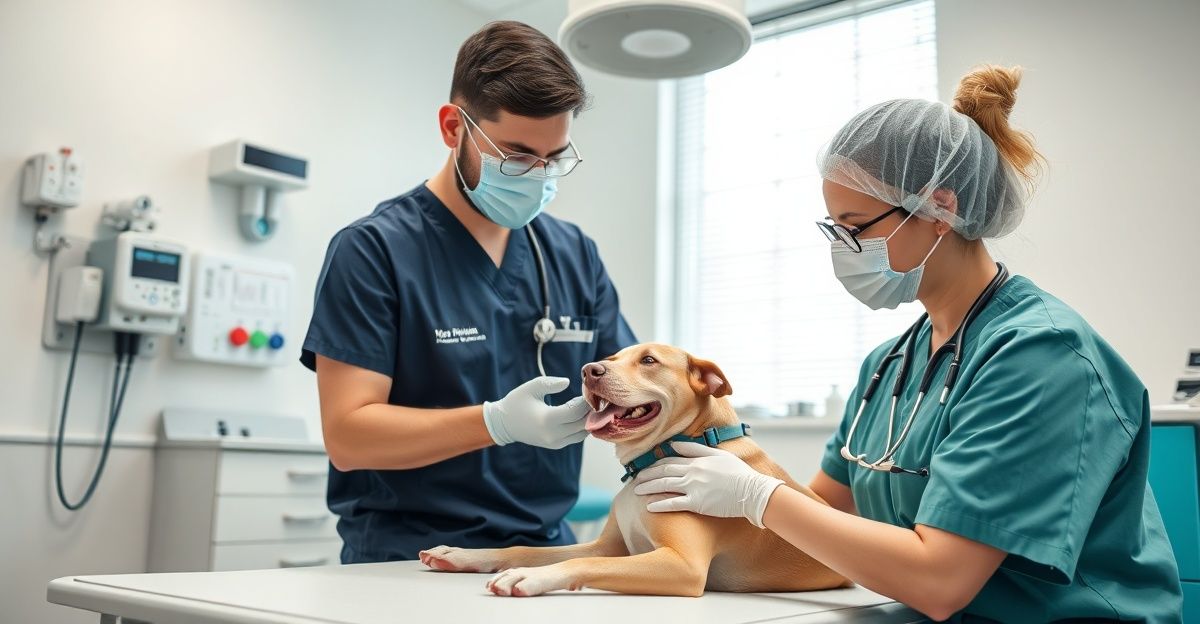
Oxygen therapy for cats is a standard veterinary treatment that can stabilize breathing in emergencies, support recovery from illness, and extend quality of life for cats with chronic respiratory or cardiac conditions. If your cat is breathing with an open mouth, panting, or showing blue-tinged gums, supplemental oxygen may be the most urgent thing they need. Understanding when and how oxygen therapy is used can help you act quickly in a crisis and make informed decisions about ongoing care.
Key Takeaways
- Cats commonly need oxygen therapy for asthma, congestive heart failure, pneumonia, and trauma
- Oxygen cages are the preferred delivery method for cats because they minimize handling stress
- Emergency oxygen is standard of care at veterinary ERs
- Home oxygen is an option for cats with chronic conditions (-800 for a concentrator)
- HBOT for cats is available at select specialty clinics (-400 per session)
When Do Cats Need Oxygen Therapy?
Cats are obligate nasal breathers. When a cat starts breathing through its mouth, something is seriously wrong. Here are the most common conditions that require supplemental oxygen in cats.
Feline Asthma
Feline asthma affects an estimated 1-5% of cats. During an acute asthma attack, the airways constrict and fill with mucus, making it difficult for the cat to breathe. Oxygen therapy provides critical support during flare-ups to stabilize breathing and bring quick relief. It is used alongside bronchodilators and corticosteroids to manage the crisis.
Cats with chronic or severe asthma may benefit from home oxygen availability for acute episodes between vet visits.
Congestive Heart Failure (CHF)
Heart disease is common in cats, particularly hypertrophic cardiomyopathy (HCM). When heart failure develops, fluid accumulates in the lungs (pulmonary edema) or around the lungs (pleural effusion), severely compromising breathing. Oxygen therapy helps relieve breathing difficulties caused by fluid buildup while diuretics work to remove the excess fluid.
Cats in heart failure are extremely fragile. Stress from handling can be fatal. Oxygen cages are especially valuable because they allow oxygen delivery without restraining the cat.
Pneumonia
Bacterial, viral, or aspiration pneumonia can cause severe respiratory compromise in cats. Oxygen supports the cat during recovery by maintaining healthy oxygen levels while antibiotics and other treatments address the underlying infection.
Trauma
Cats hit by cars, attacked by other animals, or who have fallen from heights may sustain chest injuries (pneumothorax, rib fractures, diaphragmatic hernia) that impair breathing. Emergency oxygen stabilization is often the first step before diagnostic imaging and surgery.
Other Conditions
- Upper airway obstruction: Masses, polyps, or foreign bodies
- Smoke inhalation: House fires
- Severe anemia: From blood loss, parasites, or autoimmune disease
- Post-anesthesia recovery: Standard protocol after surgical procedures
How Oxygen Is Delivered to Cats
| Method | How It Works | O2 Concentration | Cat Friendliness |
|---|---|---|---|
| Oxygen Cage | Enclosed chamber; cat breathes enriched air | 40-60% | Excellent (no handling) |
| Flow-by | Tubing held near nose/mouth | 25-40% | Good (minimal stress) |
| Nasal Cannula | Small tube placed in one nostril, sutured in place | 30-50% | Moderate (requires placement) |
| Oxygen Mask | Fitted mask over muzzle | 50-60% | Poor (most cats resist) |
| High-flow Nasal Cannula | Heated, humidified high-flow oxygen | Up to 100% | Moderate (newer technique) |
“Oxygen cages are ideal for cats and anxious dogs because they minimize handling stress. For a cat in respiratory distress, the less you handle them, the better their chances.”
Why Oxygen Cages Are Best for Cats
Cats in respiratory distress are extraordinarily sensitive to handling. The stress of being restrained, having a mask placed on their face, or having a nasal cannula inserted can cause a fatal cardiac arrhythmia or complete respiratory collapse. Oxygen cages solve this by allowing the cat to breathe enriched air without being touched.
The cage maintains a controlled oxygen concentration (typically 40-60%) and can also regulate temperature and humidity. The veterinary team monitors the cat through the cage walls while minimizing interaction.
High-Flow Nasal Cannula: A Newer Option
A 2024 study published in the Journal of Veterinary Emergency and Critical Care examined high-flow nasal cannula (HFNC) oxygen therapy in seven cats with respiratory failure. HFNC delivers heated, humidified oxygen at high flow rates and has shown improved oxygenation in feline patients that fail to respond to conventional oxygen therapy. This technique is becoming available at more veterinary specialty hospitals.
Emergency Signs: When to Rush Your Cat to the Vet
Call your emergency vet or go immediately if your cat shows any of these signs:
- Open-mouth breathing: Cats almost never breathe through their mouths unless they are in distress
- Cyanosis: Blue or purple gums, tongue, or paw pads
- Rapid breathing: More than 40 breaths per minute at rest
- Labored breathing: Visible abdominal effort, exaggerated chest movement
- Orthopnea: Cat stretches neck out and elbows away from body to breathe
- Collapse or lethargy with any breathing changes
Do not attempt to give oxygen at home during an acute emergency unless you already have equipment set up and your vet has shown you how to use it. Get to the ER.
Home Oxygen Therapy for Cats
For cats with chronic conditions like advanced heart failure or severe asthma, home oxygen therapy can improve quality of life and buy time. Here is what is involved:
Equipment. A home oxygen concentrator (such as the PureVent 5-liter model) costs -800 to purchase. These devices pull oxygen from ambient air and deliver it at a controlled flow rate.
Setup. You can create an oxygen-enriched environment using a small enclosed space (a modified large carrier or small tent) connected to the concentrator via tubing. Some owners use a clear plastic container with ventilation holes.
Monitoring. Your vet will determine the appropriate flow rate (typically 2-5 liters per minute) and advise on how long and how often to use it. A pulse oximeter designed for veterinary use can help monitor oxygen saturation.
Cost. Beyond the initial concentrator purchase, ongoing costs are minimal (electricity). Replacement tubing and filters run -50 per year.
HBOT for Cats
Hyperbaric oxygen therapy is available for cats at select veterinary specialty hospitals. The cat is placed in a pressurized chamber with 100% oxygen for 45-60 minutes. Conditions where HBOT may benefit cats include post-surgical wound healing, neurological injuries, snake envenomation, and chronic infections.
HBOT for cats costs -400 per session, with most cats needing 5-10 sessions. The treatment is non-invasive and does not require sedation in most cases. Availability is limited, and you will likely need a referral from your primary vet.
Cost Summary
| Service | Cost |
|---|---|
| Emergency vet visit with oxygen therapy | -2,500+ |
| Oxygen cage hospitalization (per day) | -2,000 |
| Home oxygen concentrator (purchase) | -800 |
| HBOT per session | -400 |
| HBOT treatment plan (5-10 sessions) | -4,000 |
The Bottom Line
Oxygen therapy for cats ranges from life-saving emergency care to quality-of-life support for chronic conditions. If your cat has asthma, heart disease, or any condition that compromises breathing, discuss oxygen therapy options with your veterinarian. For acute emergencies, know the signs of respiratory distress and have your nearest emergency vet hospital identified before you need it.
Home oxygen setups are practical and affordable for cats with chronic needs. HBOT is a growing option for specific conditions, though availability is still limited. The most important thing you can do is recognize when your cat is struggling to breathe and get them professional help immediately.
References
- Pawprint Oxygen. “Oxygen Therapy for Cats: A Comprehensive Guide for Owners.”
- Pawprint Oxygen. “Managing Feline Asthma Using Oxygen Therapy.”
- dvm360. “Delivering supplemental oxygen to dogs and cats: a practical review.”
- Longfian Scitech. “Veterinary Oxygen Therapy: Protocol for Canine and Feline Patients.”
- Jagodich TA, et al. “High-flow nasal cannula oxygen therapy in seven cats with respiratory failure.” J Vet Emerg Crit Care. 2024. doi:10.1111/vec.13401
- Wag Walking. “Oxygen Therapy for Cats: Conditions Treated, Procedure, Efficacy, Recovery, Cost.”
Medical Disclaimer
The content on BaricBoost.com is for informational purposes only and is not intended as a substitute for professional medical advice, diagnosis, or treatment. Always seek the advice of your physician or other qualified health provider with any questions you may have regarding a medical condition. Never disregard professional medical advice or delay in seeking it because of something you have read on this website.

Author
Seph Fontane Pennock is the founder of BaricBoost.com and Regenerated.com, a clinic directory for regenerative medicine serving 10,000+ providers across the United States. He previously built and sold PositivePsychology.com, which grew to 19 million users and became the largest evidence-based positive psychology resource on the web. Seph brings direct experience as an HBOT patient, having completed protocols at clinics across three continents while navigating mold illness, systemic inflammation, and autoimmune conditions. His treatment journey includes hyperbaric oxygen therapy, peptide protocols, NAD+ therapy, and consultations with specialists from Dubai to Cape Town to Mexico. This combination of entrepreneurial track record and lived patient experience shapes everything published on BaricBoost.com. Every article is grounded in peer-reviewed research, informed by real clinical encounters, and written for patients making high-stakes treatment decisions. Seph's focus is on bringing transparency, scientific rigor, and practical guidance to the hyperbaric oxygen therapy space.