Oxygen therapy is emerging as one of the most studied non-drug interventions for dementia and cognitive decline. The research is still early, but a growing body of clinical trials suggests that hyperbaric oxygen therapy (HBOT) may slow or partially reverse cognitive deterioration in certain patients. Normobaric oxygen? Not so much.
This article breaks down what the science actually shows, which patients might benefit, and what you should realistically expect.
- HBOT has the strongest evidence among oxygen-based therapies for dementia, with a 2024 meta-analysis of 11 RCTs showing significant cognitive improvements
- Dr. Shai Efrati’s research at Tel Aviv University demonstrates HBOT can increase cerebral blood flow and reduce amyloid plaque burden
- Normobaric (regular pressure) oxygen has not shown meaningful benefits for dementia in clinical trials
- HBOT is not a cure for dementia. It may slow progression and improve daily functioning in some patients
- Treatment typically requires 40-60 sessions at 1.5-2.0 ATA, costing $4,000-$12,000 total
What Is Oxygen Therapy for Dementia?
Oxygen therapy for dementia refers to any treatment that delivers elevated oxygen levels to the brain with the goal of improving or preserving cognitive function. There are two main types:
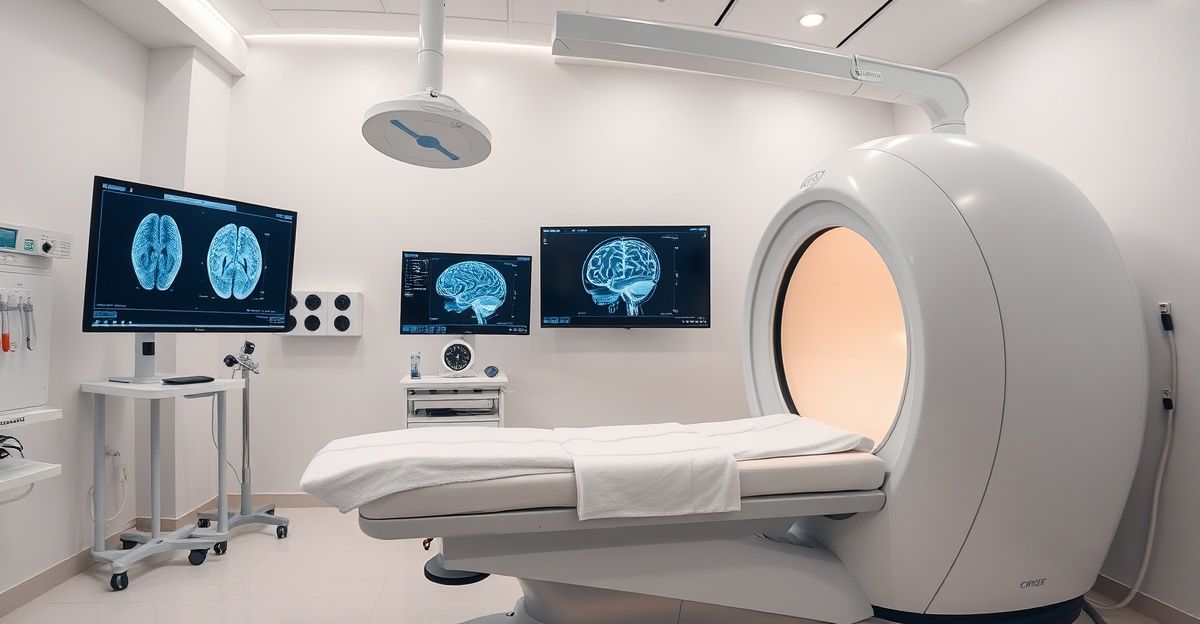
Hyperbaric oxygen therapy (HBOT) involves breathing 100% oxygen inside a pressurized chamber, typically at 1.5-2.0 atmospheres absolute (ATA). The increased pressure forces more oxygen into the blood and cerebrospinal fluid, reaching damaged brain tissue that normal breathing cannot adequately supply.
Normobaric oxygen therapy delivers supplemental oxygen at normal atmospheric pressure through a mask or nasal cannula. While this raises blood oxygen levels, it does not achieve the tissue-level saturation that HBOT provides.
The distinction matters. Nearly all positive dementia research involves HBOT, not normobaric oxygen. The pressure component appears essential for driving oxygen deep into brain tissue where neurodegenerative damage occurs.
The Efrati Studies: What the Leading Research Shows
Dr. Shai Efrati at Tel Aviv University’s Sagol Center for Hyperbaric Medicine has produced the most rigorous HBOT-dementia research to date. His work spans over a decade and includes randomized controlled trials with brain imaging.
In a landmark 2020 study published in Aging, Efrati’s team demonstrated that HBOT reduced amyloid plaque burden in both Alzheimer’s mouse models and elderly human patients. The treatment increased arteriolar luminal diameter, elevated cerebral blood flow, and attenuated the formation of new amyloid plaques. These are the protein deposits considered central to Alzheimer’s pathology.
A randomized controlled trial of 63 healthy older adults showed that a 3-month HBOT protocol produced significant improvements in attention (effect size 0.745) and information processing speed (effect size 0.788). Brain imaging confirmed these cognitive gains correlated with regional changes in cerebral blood flow.
“HBOT increased cerebral blood flow, reduced amyloid burden by shrinking existing plaques, and attenuated the formation of new ones.” – Efrati et al., Aging (2020)
An ongoing double-blind, placebo-controlled clinical trial (NCT03036254) is specifically testing HBOT’s effects on brain and cognitive outcomes in elderly patients with type 2 diabetes and mild cognitive impairment. Results from this trial will provide some of the strongest evidence yet. Patients with type 2 diabetes are at significantly elevated risk for dementia, so this study may help answer whether early intervention with hyperbaric chamber therapy can prevent progression.
The 2024 Meta-Analysis: Pooling the Evidence
A 2024 systematic review and meta-analysis published in Frontiers in Aging Neuroscience pooled data from 11 randomized controlled trials involving 847 participants with Alzheimer’s disease. The results were encouraging.
HBOT significantly improved:
- Mini-Mental State Examination (MMSE) scores – the standard screening tool for cognitive impairment
- Alzheimer’s Disease Assessment Scale-Cognitive (ADAS-Cog) scores – a more detailed measure of cognitive function
- Activities of daily living (ADL) scores – measuring real-world functional ability
No significant adverse events were reported across all 11 trials. This is notable because safety concerns often limit enthusiasm for experimental dementia treatments.
However, the authors noted important limitations. Most included studies came from China, sample sizes were modest, and treatment protocols varied. The meta-analysis supports HBOT as promising, not proven.
How HBOT May Work Against Dementia
The mechanisms by which HBOT may benefit dementia patients involve several pathways:
| Mechanism | What Happens | Why It Matters for Dementia |
|---|---|---|
| Neuroplasticity | HBOT stimulates growth of new neural connections | Compensates for neurons lost to neurodegeneration |
| Reduced neuroinflammation | Lowers pro-inflammatory cytokines, enhances anti-inflammatory responses | Chronic brain inflammation accelerates cognitive decline |
| Angiogenesis | Promotes formation of new blood vessels in the brain | Restores blood supply to oxygen-starved brain regions |
| Amyloid clearance | Reduces volume of existing plaques, slows new plaque formation | Amyloid plaques are a hallmark of Alzheimer’s disease |
| Stem cell mobilization | Stimulates release of stem cells from bone marrow | Stem cells migrate to damaged brain tissue and support repair |
The repeated “hyperoxic-hypoxic” cycle created by intermittent HBOT sessions appears critical. It is not just the oxygen itself but the cycling between high and normal oxygen levels that triggers regenerative gene expression.
Normobaric Oxygen: Why It Falls Short
Despite theoretical appeal, normobaric oxygen therapy has not shown meaningful cognitive benefits in dementia research. Without the pressure component, supplemental oxygen raises blood oxygen saturation but does not achieve the tissue-level penetration needed to reach damaged brain regions.
The brain consumes roughly 20% of the body’s oxygen despite being only 2% of body weight. In dementia, compromised blood vessels further reduce oxygen delivery to vulnerable areas. Normal-pressure oxygen simply cannot overcome these vascular barriers the way pressurized oxygen can.
No major clinical trials have demonstrated cognitive improvement from normobaric oxygen in dementia patients. If you are considering oxygen therapy for cognitive decline, HBOT is the only form with supporting evidence.
Current Clinical Trials
Several active clinical trials are investigating HBOT for dementia as of 2026:
- NCT05349318 – Testing HBOT for prodromal Alzheimer’s disease (the earliest symptomatic stage) at the Sagol Center in Israel
- NCT03036254 – Double-blind, placebo-controlled trial in elderly with type 2 diabetes and mild cognitive impairment
- Multiple trials in China examining HBOT combined with standard Alzheimer’s medications
These trials should provide higher-quality evidence over the next 2-3 years. The Sagol Center trials are particularly important because they use sham-controlled designs with advanced brain imaging.
Cost and Practical Considerations
HBOT for dementia is not covered by insurance in the United States. Dementia is not an FDA-approved indication for hyperbaric oxygen.
| Factor | Details |
|---|---|
| Cost per session | $100-$300 depending on location and facility |
| Typical protocol | 40-60 sessions, 5 days per week, 60-90 minutes each |
| Total estimated cost | $4,000-$12,000 for a full course |
| Pressure used in studies | 1.5-2.0 ATA (most dementia research uses 2.0 ATA) |
| Insurance coverage | Not covered (off-label use) |
Realistic Expectations
HBOT is not a cure for Alzheimer’s or other dementias. No therapy currently is. What the evidence suggests is that HBOT may:
- Slow cognitive decline in mild to moderate stages
- Improve daily functioning and independence
- Enhance cerebral blood flow to oxygen-deprived brain regions
- Provide benefits that persist for weeks to months after treatment ends
It is not a substitute for standard dementia care, medications, or lifestyle interventions. Patients with advanced dementia are unlikely to see dramatic improvement. The best candidates appear to be those in early stages, particularly those with vascular contributions to their cognitive impairment.
If you are considering HBOT for a loved one with dementia, look for a clinic that uses medical-grade chambers at 1.5-2.0 ATA and follows protocols similar to those used in published research. Mild HBOT chambers (1.3 ATA) have not been studied for dementia and may not provide sufficient oxygen delivery.
Sources
- Shapira R, et al. Hyperbaric oxygen therapy alleviates vascular dysfunction and amyloid burden in an Alzheimer’s disease mouse model and in elderly patients. Aging. 2021;13(16):20935-20961. doi:10.18632/aging.203485
- Chen J, et al. Clinical evidence of hyperbaric oxygen therapy for Alzheimer’s disease: a systematic review and meta-analysis of randomized controlled trials. Front Aging Neurosci. 2024;16:1360148. doi:10.3389/fnagi.2024.1360148
- Hadanny A, et al. Hyperbaric oxygen therapy improves neurocognitive functions of post-stroke patients. Restor Neurol Neurosci. 2020;38(1):93-107. doi:10.3233/RNN-190959
- Jacobs EA, et al. Hyperbaric oxygen effect on cognition and behavior of the elderly. Front Aging. 2021;2:678543. doi:10.3389/fragi.2021.678543
- Xu Y, et al. Therapeutic effects of long-term HBOT on Alzheimer’s disease neuropathologies in APPswe/PS1dE9 mice. Heliyon. 2023;9(12):e22373. doi:10.1016/j.heliyon.2023.e22373
Medical Disclaimer
The content on BaricBoost.com is for informational purposes only and is not intended as a substitute for professional medical advice, diagnosis, or treatment. Always seek the advice of your physician or other qualified health provider with any questions you may have regarding a medical condition. Never disregard professional medical advice or delay in seeking it because of something you have read on this website.

Author
Seph Fontane Pennock is the founder of BaricBoost.com and Regenerated.com, a clinic directory for regenerative medicine serving 10,000+ providers across the United States. He previously built and sold PositivePsychology.com, which grew to 19 million users and became the largest evidence-based positive psychology resource on the web. Seph brings direct experience as an HBOT patient, having completed protocols at clinics across three continents while navigating mold illness, systemic inflammation, and autoimmune conditions. His treatment journey includes hyperbaric oxygen therapy, peptide protocols, NAD+ therapy, and consultations with specialists from Dubai to Cape Town to Mexico. This combination of entrepreneurial track record and lived patient experience shapes everything published on BaricBoost.com. Every article is grounded in peer-reviewed research, informed by real clinical encounters, and written for patients making high-stakes treatment decisions. Seph's focus is on bringing transparency, scientific rigor, and practical guidance to the hyperbaric oxygen therapy space.