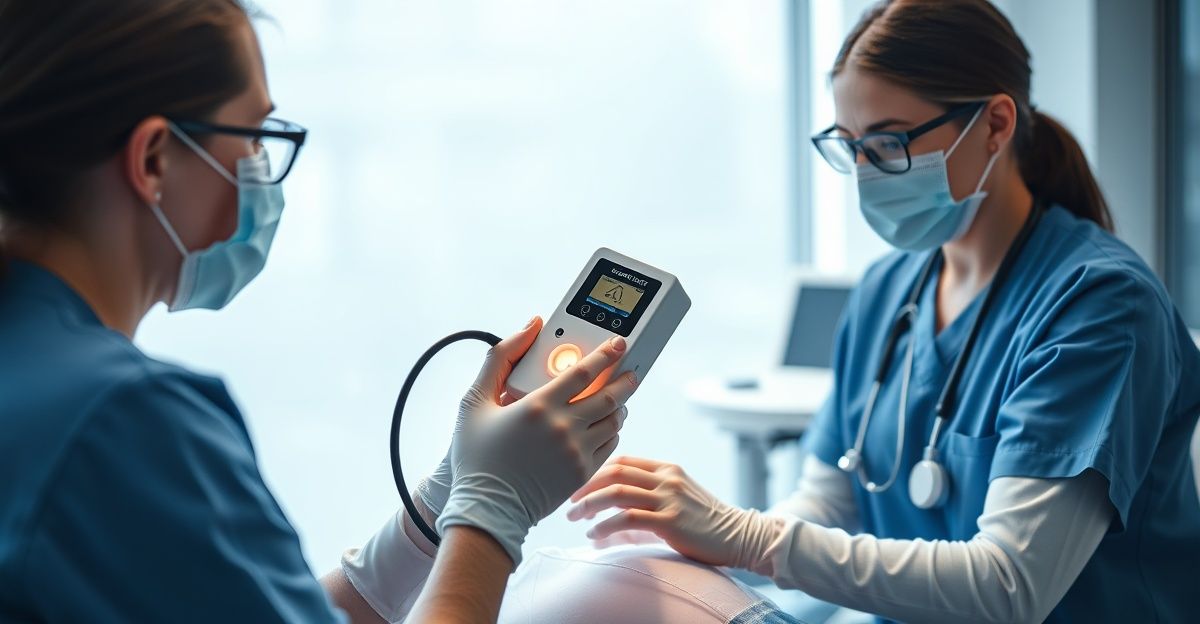
Ozone therapy for cellulite involves injecting small amounts of ozone gas directly into the subcutaneous fat layer to break down fat deposits and improve skin texture. The treatment is offered at aesthetic and integrative medicine clinics, primarily in Europe and Latin America, as an alternative to conventional cellulite treatments like radiofrequency, laser therapy, and surgical procedures. The clinical evidence is very limited, with only a handful of small studies published, and no large randomized controlled trials to date.
This guide covers how subcutaneous ozone injections work, what the available evidence shows, how it compares to other cellulite treatments, costs, and realistic expectations.
Key Takeaways
- Subcutaneous ozone injections are proposed to reduce cellulite through localized lipolysis (fat breakdown) and improved microcirculation
- The evidence is very limited: only small pilot studies and case series exist, with no randomized controlled trials1
- Proposed mechanisms include ozone-induced lipid peroxidation, improved local blood flow, and collagen remodeling
- Sessions typically cost $150 to $400 each, with 6 to 12 sessions recommended
- No cellulite treatment, including ozone, provides a permanent cure; cellulite is a structural condition affected by genetics, hormones, and connective tissue architecture
- Better-studied alternatives include radiofrequency, acoustic wave therapy, and subcision
What Is Cellulite and Why Is It Hard to Treat?
Cellulite is not a disease. It is a structural condition caused by the interaction of fat deposits, connective tissue septae (fibrous bands), and skin elasticity. The dimpled appearance occurs when fat pushes up against the skin through gaps in the underlying connective tissue framework. It affects 80 to 90% of post-pubertal women and is strongly influenced by genetics, hormones (particularly estrogen), and the architecture of the subcutaneous tissue.2
This structural nature is why cellulite is notoriously difficult to treat. Weight loss reduces the fat component but does not change the connective tissue architecture. Topical creams do not reach the subcutaneous layer. And most treatments that do work provide moderate, temporary improvement rather than elimination.
How Ozone Therapy for Cellulite Works
The procedure involves injecting a small volume of medical-grade ozone gas (O3) directly into the subcutaneous fat layer in the affected area. This is typically done using a fine-gauge needle, with multiple injection points across the treatment zone.
The proposed mechanisms include:
- Localized lipolysis: Ozone reacts with fatty acids in adipose tissue, triggering lipid peroxidation and breakdown of fat cell contents1
- Improved microcirculation: Ozone’s interaction with blood and tissue increases local oxygen delivery and nutrient exchange
- Collagen stimulation: The controlled oxidative stress from ozone may stimulate fibroblast activity and collagen remodeling in the dermal layer
- Lymphatic drainage: Improved local circulation may enhance lymphatic drainage, reducing fluid retention that contributes to cellulite appearance
A typical treatment protocol involves:
| Parameter | Typical Range |
|---|---|
| Ozone concentration | 10 to 30 mcg/mL |
| Volume per injection site | 5 to 20 mL of gas |
| Number of injection sites | 10 to 30 per session, depending on area |
| Sessions recommended | 6 to 12 sessions |
| Frequency | 1 to 2 sessions per week |
| Session duration | 20 to 40 minutes |
Patients typically report a brief stinging sensation during injection and temporary swelling or crepitus (crackling under the skin) as the gas distributes through the subcutaneous layer. These effects resolve within hours to days.
What the Evidence Shows
The evidence base for ozone therapy for cellulite is thin. Here is what exists:
Zanardi et al. (2008) and other Italian researchers have published small studies on subcutaneous ozone for localized fat reduction and skin quality improvement. These studies generally report modest improvements in circumference measurements and patient satisfaction scores after 10 to 12 sessions. However, most studies lack control groups, blinding, or long-term follow-up.1
Schwartz and Laniado (2012), in a review of ozone therapy applications, noted the theoretical basis for ozone in adipose tissue but emphasized the need for controlled clinical trials before making efficacy claims.3
“While the biochemical rationale for ozone’s interaction with adipose tissue is plausible, the clinical evidence for cellulite reduction remains anecdotal. Controlled trials are needed before any efficacy claims can be made.”
Based on Schwartz & Laniado, 2012
The honest assessment: there is no high-quality evidence that ozone therapy effectively treats cellulite. The studies that exist are small, uncontrolled, and primarily from practitioners who also offer the treatment. This does not mean it cannot work, but it means we cannot say it does work based on the available data.
How It Compares to Other Cellulite Treatments
| Treatment | Evidence Level | Mechanism | Cost Range |
|---|---|---|---|
| Subcision (Cellfina) | Strong (FDA-cleared, RCTs) | Cuts fibrous bands mechanically | $3,000 to $6,000 |
| Radiofrequency | Moderate (multiple trials) | Heat-based collagen remodeling | $1,000 to $4,000 |
| Acoustic wave therapy | Moderate (RCTs) | Mechanical disruption of fibrous bands | $300 to $600/session |
| Laser therapy | Moderate (FDA-cleared options) | Thermal fat disruption and skin tightening | $2,500 to $5,000 |
| Ozone injections | Very limited (no RCTs) | Proposed lipolysis and circulation improvement | $150 to $400/session |
| Topical creams | Weak (minimal evidence) | Temporary skin tightening, caffeine-based | $20 to $100 |
Cost
Ozone therapy for cellulite typically costs $150 to $400 per session. With 6 to 12 sessions recommended, total treatment cost ranges from $900 to $4,800.
Insurance does not cover ozone therapy for cellulite under any circumstance, as it is considered a cosmetic procedure with insufficient evidence of medical necessity.
Safety and Side Effects
Subcutaneous ozone injections are generally well-tolerated when administered by trained practitioners. Common side effects include:
- Temporary pain or stinging at injection sites
- Subcutaneous emphysema (gas under the skin) that resolves within hours
- Bruising at injection sites
- Temporary swelling
Serious complications are rare but can include infection at injection sites (with any injection-based procedure) and, theoretically, gas embolism if the injection technique is improper. Seeking a qualified practitioner with experience in ozone injection techniques is essential.
Realistic Expectations
Patients considering ozone therapy for cellulite should understand several important realities:
- No cellulite treatment is permanent. Cellulite is driven by structural factors (connective tissue architecture, fat distribution, skin elasticity) that are largely genetic. Any treatment provides temporary improvement.
- Results, if they occur, are modest. Even the best-studied cellulite treatments provide moderate improvement in appearance, not elimination.
- The evidence for ozone specifically is weak. Patients are essentially paying for a treatment that has not been proven to work in controlled studies.
- Lifestyle factors matter more. Regular exercise, maintaining a healthy weight, adequate hydration, and avoiding prolonged sitting have a greater evidence base for managing cellulite appearance than any injectable treatment.
The Bottom Line
Ozone therapy for cellulite has a plausible biochemical rationale but virtually no clinical evidence to support it. The treatment is offered primarily at aesthetic clinics in Europe and Latin America, with costs that can reach several thousand dollars for a full course. Patients seeking cellulite treatment have better-studied options available, including subcision, radiofrequency, and acoustic wave therapy, all of which have published RCTs demonstrating measurable improvement.
If you are considering ozone therapy for cellulite, treat the claims critically and understand that you are pursuing an unproven treatment. The most honest thing a provider can tell you is that it might help but the evidence is not there yet.
References
- Zanardi I, Borrelli E, Valacchi G, et al. Ozone: a multifaceted molecule with unexpected therapeutic activity. Curr Med Chem. 2016;23(4):304-314. doi:10.2174/0929867323666151221150420
- Hexsel DM, Dal’forno T, Hexsel CL. A validated photonumeric cellulite severity scale. J Eur Acad Dermatol Venereol. 2009;23(5):523-528. doi:10.1111/j.1468-3083.2009.03101.x
- Schwartz A, Laniado PM. Ozone therapy in lipolysis and fat tissue: medical evidence and review. Int J Ozone Ther. 2012;11:46-52.
Medical Disclaimer
The content on BaricBoost.com is for informational purposes only and is not intended as a substitute for professional medical advice, diagnosis, or treatment. Always seek the advice of your physician or other qualified health provider with any questions you may have regarding a medical condition. Never disregard professional medical advice or delay in seeking it because of something you have read on this website.

Author
Seph Fontane Pennock is the founder of BaricBoost.com and Regenerated.com, a clinic directory for regenerative medicine serving 10,000+ providers across the United States. He previously built and sold PositivePsychology.com, which grew to 19 million users and became the largest evidence-based positive psychology resource on the web. Seph brings direct experience as an HBOT patient, having completed protocols at clinics across three continents while navigating mold illness, systemic inflammation, and autoimmune conditions. His treatment journey includes hyperbaric oxygen therapy, peptide protocols, NAD+ therapy, and consultations with specialists from Dubai to Cape Town to Mexico. This combination of entrepreneurial track record and lived patient experience shapes everything published on BaricBoost.com. Every article is grounded in peer-reviewed research, informed by real clinical encounters, and written for patients making high-stakes treatment decisions. Seph's focus is on bringing transparency, scientific rigor, and practical guidance to the hyperbaric oxygen therapy space.