Ozone UV IV therapy combines two of the oldest bio-oxidative treatments into a single session: ultraviolet blood irradiation (UBI) and ozone autohemotherapy. The result is a procedure that exposes a small volume of your blood to both UV light and medical-grade ozone before reinfusing it. Practitioners call it O3UV, biophotonic ozone therapy, or simply ozone UV blood therapy. The approach dates back to the 1920s, fell out of mainstream use with the rise of antibiotics, and has resurfaced in integrative clinics across the United States.
Key Takeaways
- UBI (ultraviolet blood irradiation) was developed by Emmett Knott in 1928 and used successfully for infections from the 1930s through the 1940s.
- Modern O3UV therapy combines UV light exposure with ozone gas in a single blood treatment session.
- Proposed mechanisms include photobiomodulation of immune cells and oxidative preconditioning of tissues.
- Clinical evidence is limited to small trials and case series. No large randomized controlled trials exist.
- Sessions typically cost $300 to $500 and take 60 to 90 minutes.
What Is Ultraviolet Blood Irradiation?
Ultraviolet blood irradiation is a procedure where a small amount of blood (typically 60 to 200 mL, or roughly 5 to 7% of total blood volume) is drawn from a vein, passed through a device that exposes it to ultraviolet light, and then returned to the body. The technique was pioneered by Emmett Knott, a Seattle engineer, who conducted his first experiments on dogs in 1928 and performed the first human treatment in 1928.1
Between 1928 and 1948, UBI was applied clinically to a wide range of conditions, from bacterial infections like septicemia and tuberculosis to viral infections including hepatitis and influenza. Early reports described striking outcomes. A 1947 review documented successful treatment of 6,520 patients across multiple conditions.2
Then antibiotics arrived. Penicillin was cheap, scalable, and backed by the pharmaceutical industry. UBI, which required specialized equipment and individual treatment sessions, could not compete commercially. By the 1950s, it had largely disappeared from medical practice.
How Ozone Gets Added to the Mix
Modern integrative clinics have revived UBI and combined it with ozone therapy in a single procedure. Here is how a typical O3UV session works:
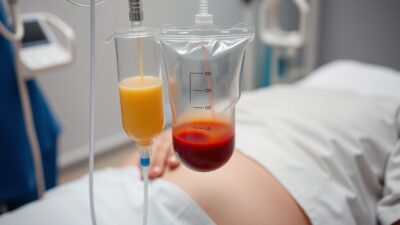
- Blood draw. 100 to 250 mL of venous blood is drawn into a sterile collection bag or syringe.
- UV exposure. The blood passes through a quartz cuvette where it is irradiated with UVC light (typically 253.7 nm wavelength). This is the photoluminescence step.
- Ozone mixing. Medical-grade ozone (an oxygen-ozone gas mixture, usually at 30 to 78 mcg/mL concentration) is bubbled into the collected blood and mixed briefly.
- Reinfusion. The treated blood is returned to the patient through the same IV line. The entire process takes 60 to 90 minutes.
The rationale is that UV and ozone act through complementary mechanisms. UV light targets pathogens and modulates immune cells directly, while ozone triggers a broader oxidative stress response that activates antioxidant pathways throughout the body.
Proposed Mechanisms of Action
Photobiomodulation (UV Component)
When blood passes through the UV device, several things happen at the cellular level:
- Pathogen inactivation. Viruses and bacteria absorb significantly more UV energy than red and white blood cells. This differential absorption damages microbial DNA while leaving host cells relatively intact. Host cell DNA repair enzymes can fix minor UV damage; pathogens cannot.1
- Immune activation. The killed pathogen fragments act as a kind of autovaccine. Dendritic cells and macrophages process these fragments and present them to T cells, potentially amplifying the immune response against the specific infection.2
- Cytokine modulation. UV exposure affects lymphocytes, monocytes, and dendritic cells, influencing the production of inflammatory and anti-inflammatory cytokines.
Oxidative Preconditioning (Ozone Component)
When ozone contacts blood, it reacts immediately with plasma components and cell membranes:
- Lipid oxidation products. Ozone reacts with unsaturated fatty acids in plasma to produce lipid oxidation products (LOPs), including 4-hydroxynonenal (4-HNE). These act as signaling molecules.
- Nrf2 pathway activation. The controlled oxidative stress triggers the Nrf2/Keap1/ARE pathway, which upregulates the body’s own antioxidant defenses, including superoxide dismutase, catalase, and glutathione peroxidase.3
- Improved oxygen delivery. Ozone increases 2,3-diphosphoglycerate (2,3-DPG) in red blood cells, which shifts the oxygen-hemoglobin dissociation curve and improves oxygen release to tissues.
“The mechanisms of action must be better studied, as they are presently still supposed more than proven.”
Hamblin & Abrahamse, Advances in Experimental Medicine and Biology, 2017
Knott’s Original Research (1928-1948)
Emmett Knott’s contribution to UBI cannot be overstated. His systematic approach established the foundational parameters that practitioners still reference today:
- Optimal blood volume. Through canine experiments, Knott determined that irradiating 5 to 7% of total blood volume produced the best therapeutic effect. Too little was ineffective. Too much caused adverse reactions. This follows the principle of hormesis, where a low dose of a stressor produces a beneficial response.1
- Wavelength selection. Knott settled on UVC wavelengths (around 253.7 nm) as the most effective for pathogen inactivation while minimizing damage to blood cells.
- Treatment frequency. His protocols typically called for treatments every 1 to 3 days during acute infections, with responses often observed after 1 to 3 sessions.
A significant body of clinical data was accumulated during this period. Researchers at Georgetown University, Hahnemann Hospital, and other institutions published case series showing benefit in conditions including peritonitis, septicemia, viral hepatitis, and poliomyelitis. However, these were observational studies without control groups, which limits their evidentiary value by modern standards.
What Does the Modern Evidence Say?
The evidence base for UBI and O3UV therapy remains limited compared to conventional treatments. Here is what exists:
| Study | Design | Findings |
|---|---|---|
| FDA Phase I Trial, Hepatitis C4 | Controlled trial, 10 patients | After 5 treatments, mean viral load dropped 56% (p=0.017). Seven of 10 patients showed >0.49 log reduction. |
| Georgetown University Case Series (1940s) | Observational, 6,520 patients | Reported benefit across multiple infectious conditions. No control group. |
| Italian Society O2-O3 Protocols3 | Protocol review, multiple studies | Documented immune modulation via Nrf2 pathway activation and cytokine changes with ozone autohemotherapy. |
The honest assessment: there are no large, well-designed randomized controlled trials evaluating O3UV as a combined therapy. The UV and ozone components each have limited but separate evidence bases. Combining them is based on mechanistic reasoning, not clinical proof of synergy.
Conditions Treated with Ozone UV IV Therapy
Clinics offering O3UV therapy typically list the following conditions:
- Chronic infections (Lyme disease, Epstein-Barr virus, hepatitis)
- Autoimmune conditions
- Chronic fatigue syndrome and fibromyalgia
- Mold illness and environmental toxicity
- Wound healing and tissue repair
- Cardiovascular support
- General immune support and prevention
It is important to note that evidence supporting O3UV for most of these conditions comes from clinical experience and case reports rather than controlled trials. The FDA has not approved ozone therapy for any medical condition, and UBI similarly lacks FDA approval.
What a Session Looks Like
If you decide to try ozone UV IV therapy, here is what to expect:
- Initial consultation. A practitioner reviews your health history, current medications, and treatment goals. Some clinics run baseline blood work first.
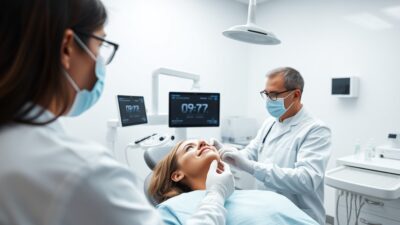
- Preparation. You sit in a reclining chair. An IV line is placed in your arm. The process is similar to a standard blood draw.
- Treatment. Blood is drawn, passed through the UV device, mixed with ozone, and reinfused. You may feel a slight warming sensation during reinfusion. Most people read or rest during the session.
- Post-treatment. Many patients report feeling energized within hours. Others feel fatigued for a day before noticing improvement. Herxheimer reactions (temporary worsening of symptoms from pathogen die-off) are possible.
A standard protocol is 1 session per week. Most practitioners recommend an initial series of 6 to 10 sessions. Patients typically notice a response after 3 to 5 treatments.2
Cost of Ozone UV IV Therapy
Sessions typically cost $300 to $500 each, depending on the clinic, location, and whether ozone and UV are billed separately or as a combined treatment. An initial series of 6 to 10 sessions means an out-of-pocket investment of $1,800 to $5,000.
Insurance does not cover ozone UV therapy. Some clinics offer package discounts for prepaid series.
Safety and Side Effects
When performed by trained practitioners using proper equipment, ozone UV therapy is generally well tolerated. Reported side effects include:
- Temporary fatigue or flu-like symptoms (Herxheimer reaction)
- Mild bruising at the IV site
- Lightheadedness during or after treatment
- Rarely, vein irritation
Serious complications are rare but documented. Direct injection of ozone gas into veins (which is different from autohemotherapy, where ozone is mixed with blood outside the body first) carries the risk of air embolism and has been associated with neurological complications in case reports.5
The World Federation of Ozone Therapy reported an adverse event rate of 6 per 100,000 treatments across more than 300,000 ozone therapy sessions, all of which were classified as minor.
How to Find a Provider
Look for practitioners who:
- Have formal training in ozone therapy (through organizations like the American Academy of Ozone Therapy or equivalent)
- Use medical-grade ozone generators with precise concentration controls
- Follow established protocols for blood volume and ozone concentration
- Can explain the procedure, expected outcomes, and limitations honestly
- Are licensed healthcare providers (MD, DO, ND, or equivalent)
The Bottom Line
Ozone UV IV therapy combines two historical treatments with interesting mechanisms and limited modern evidence. The UV component may modulate immune function and inactivate pathogens. The ozone component may activate antioxidant pathways and improve oxygen delivery. Together, they represent a form of bio-oxidative medicine that some patients and practitioners find valuable.
But “interesting mechanism” is not the same as “proven treatment.” If you are considering O3UV therapy, go in with realistic expectations. Ask your provider about their clinical experience with your specific condition. And make sure you are not using it as a replacement for proven treatments.
- Hamblin MR. Ultraviolet Irradiation of Blood: “The Cure That Time Forgot”? Adv Exp Med Biol. 2017;996:295-309. doi:10.1007/978-3-319-56017-5_25
- Wu X, Hu X, Hamblin MR. Ultraviolet blood irradiation: Is it time to remember “the cure that time forgot”? J Photochem Photobiol B. 2016;157:89-96. doi:10.1016/j.jphotobiol.2016.02.007
- Chirumbolo S, Valdenassi L, Simonetti V, et al. The Oxygen-Ozone Adjunct Medical Treatment According to the Protocols from the Italian Scientific Society of Oxygen-Ozone Therapy. Int J Mol Sci. 2023;24(24):17509. doi:10.3390/ijms242417509
- McRae M, Agarwal G. A controlled clinical trial of ultraviolet blood irradiation (UVBI) for hepatitis C infection. Cogent Med. 2019;6(1):1614286. doi:10.1080/2331205X.2019.1614286
- Rahmani F, Ghorani-Azam A, Soltani F. Neurological Crisis Following Intravenous Ozone Therapy: A Case Report. Arch Anesthesiol Crit Care. 2025;11(1):56-59. doi:10.18502/aacc.v11i1.17747
Medical Disclaimer
The content on BaricBoost.com is for informational purposes only and is not intended as a substitute for professional medical advice, diagnosis, or treatment. Always seek the advice of your physician or other qualified health provider with any questions you may have regarding a medical condition. Never disregard professional medical advice or delay in seeking it because of something you have read on this website.

Author
Seph Fontane Pennock is the founder of BaricBoost.com and Regenerated.com, a clinic directory for regenerative medicine serving 10,000+ providers across the United States. He previously built and sold PositivePsychology.com, which grew to 19 million users and became the largest evidence-based positive psychology resource on the web. Seph brings direct experience as an HBOT patient, having completed protocols at clinics across three continents while navigating mold illness, systemic inflammation, and autoimmune conditions. His treatment journey includes hyperbaric oxygen therapy, peptide protocols, NAD+ therapy, and consultations with specialists from Dubai to Cape Town to Mexico. This combination of entrepreneurial track record and lived patient experience shapes everything published on BaricBoost.com. Every article is grounded in peer-reviewed research, informed by real clinical encounters, and written for patients making high-stakes treatment decisions. Seph's focus is on bringing transparency, scientific rigor, and practical guidance to the hyperbaric oxygen therapy space.