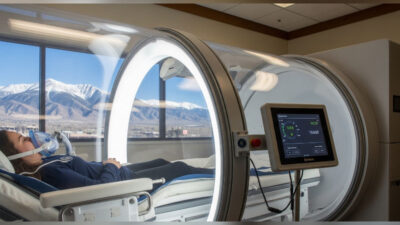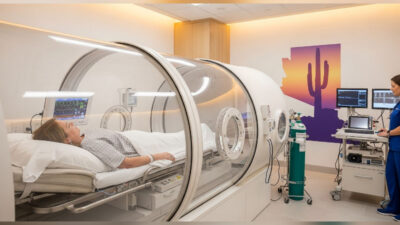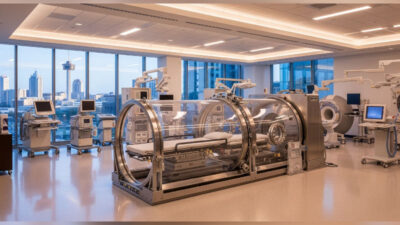
Denver has eight hyperbaric oxygen therapy centers, from hospital wound-care programs to private wellness clinics. At 5,280 feet elevation, Denver residents already live with lower baseline oxygen saturation, which makes HBOT’s pressure-driven oxygen delivery especially impactful.
You can find options for chronic wounds. You can also find help for post-surgical recovery. Some centers focus on athletic performance.Denver offers quality treatment choices., and this guide covers eight standout locations.. It also explains how to choose the right fit.
Table of Contents
What Makes Denver’s Hyperbaric Treatment Scene Different
According to the Undersea and Hyperbaric Medical Society, HBOT is recognized for 14 FDA-cleared medical indications, with over 1.5 million treatments administered annually in the United States.
Undersea and Hyperbaric Medical Society (UHMS)
Denver sits 5,280 feet above sea level. This altitude affects hyperbaric therapy. Lower atmospheric pressure changes how chambers operate. Clinics must calibrate chambers differently. This differs from sea-level facilities. Most HBOT Denver centers adjust treatment protocols. These adjustments ensure proper oxygen delivery. Patients still receive safe oxygen saturation.
Denver’s medical community has embraced hyperbaric medicine. This growth happened over the past decade. You’ll find hospital-based programs. You’ll also find standalone clinics. Hospitals handle complex cases. These include diabetic ulcers. They also treat radiation injuries. Carbon monoxide poisoning is another focus. Private centers often target wellness. Sports recovery is a common offering.
Here’s what you should know:
- Most facilities operate monoplace chambers
- Some locations offer multi-place chambers
- Sessions usually run 60-90 minutes
- Protocols vary by condition
Denver Health Medical Center’s Wound Care and Hyperbaric Medicine
Denver Health runs one of the region’s most established programs. Their wound care center integrates hyperbaric therapy. Treatment plans are comprehensive. This works well for stubborn wounds. These wounds resist conventional care.
The team treats many diabetic patients. They’ve built protocols around evidence-based medicine. Patients receive a full assessment. This may include vascular studies.Nutritional counseling is often part of care., and follow-up visits are standard.. This coordinated approach matters.
Their chamber is FDA-cleared., and staff includes certified hyperbaric technicians.. Insurance coverage is often better at hospitals.This is especially true for FDA-approved uses., and the facility is downtown.. Parking can be difficult. Making peak hours the hardest.
Rocky Mountain Hyperbaric Institute’s Approach
Rocky Mountain Hyperbaric Institute takes a different approach. They offer both traditional medical applications and off-label uses. That includes traumatic brain injury recovery or chronic fatigue syndrome.
| Feature | Details |
| Chamber Type | Monoplace hard-shell units |
| Typical Pressure | 1.5-2.0 ATA by protocol |
| Session Duration | 60 minutes standard |
| Conditions Treated | Wounds, sports injuries, and neurological support |
The clinic operates in a standalone facility. Some patients prefer this over a hospital environment. It’s quieter and less clinical. Together, they create a treatment plan.Insurance coverage may be limited., and not all sessions are covered.. Be prepared for that cost conversation.
National Jewish Health’s Specialized Programs
National Jewish Health is known for respiratory medicine. Their hyperbaric services complement that expertise. They treat carbon monoxide poisoning. They also treat decompression sickness. Certain infections are included.
What sets them apart is integration with pulmonary specialists. If you’ve got lung issues and need hyperbaric therapy, this might be your best bet. The staff understands respiratory limitations. This matters for fragile patients.
Their facility is modern and well-maintained. Staff have extensive experience. The downside? Appointment availability can be limited. You might wait weeks unless it’s an emergency.
Porter Adventist Hospital’s Wound Healing Center
Porter Adventist runs a solid wound care program., and hyperbaric therapy serves as a core component.. They’re part of the Adventist Health network. This brings standardization to protocols.
The center focuses on diabetic foot ulcers and radiation tissue damage. Their outcomes data look good. That matters when you’re trying to avoid amputation. The hyperbaric chamber sits within the wound care suite. Your entire visit happens in one location.
Staff turnover seems low. You’ll likely see the same faces throughout treatment. That continuity helps, especially for 20-30 sessions. They work with most major carriers.
Altitude Hyperbaric Medicine & Wellness
Altitude Hyperbaric markets toward the wellness and performance crowd. Athletes recovering from injuries use their services. People with chronic inflammation come here. Individuals exploring HBOT for cognitive function make up the typical clientele.
They use mild hyperbaric chambers (1.3 ATA) for wellness applications. That’s lower pressure than wound healing protocols. The atmosphere is more spa-like than medical.
Here’s their typical client profile:
- Endurance athletes managing overtraining
- Post-concussion syndrome patients
- People exploring complementary therapies
- General wellness seekers
Payment is typically out-of-pocket., and insurance rarely covers wellness applications.. They offer package deals. Just manage your expectations. This isn’t medical-grade treatment for FDA-approved conditions.
Swedish Medical Center’s Hyperbaric Services
Swedish Medical Center offers therapy through wound care. It’s a smaller program than Denver Health. They handle core medical indications competently. Staff is responsive. They’ve invested in newer equipment recently.
Scheduling flexibility is a key benefit., and the center is open six days a week.. Early morning appointments are available.Late afternoon slots are also offered., and the facility is clean and modern.. It’s located conveniently with decent parking.
Their protocols stick to Undersea and Hyperbaric Medical Society guidelines. You won’t find experimental treatments. You will get reliable, evidence-based care. Insurance coordination is handled well.
University of Colorado Hospital’s Advanced Wound Care
UCHealth’s program operates from the University of Colorado Hospital. This is a research-focused option. They participate in clinical trials.The team includes leading specialists., and some have written textbooks in the field.. This means you might access advanced protocols.
| Aspect | What to Expect |
| Treatment Philosophy | Evidence-based with research focus |
| Staff Credentials | Board-certified physicians |
| Patient Population | Complex cases, research participants |
| Technology | State-of-the-art chambers |
The clinical team includes specialists who write textbooks on hyperbaric medicine. That expertise matters for unusual conditions, and it helps with cases that haven’t responded to standard treatment. They consult across specialties routinely.
Getting an appointment can take time. They prioritize complex cases. If you’ve got a straightforward wound, a community clinic might serve you better. For tough cases, this is where you want to be.
Whole Health Hyperbarics in the Metro Area
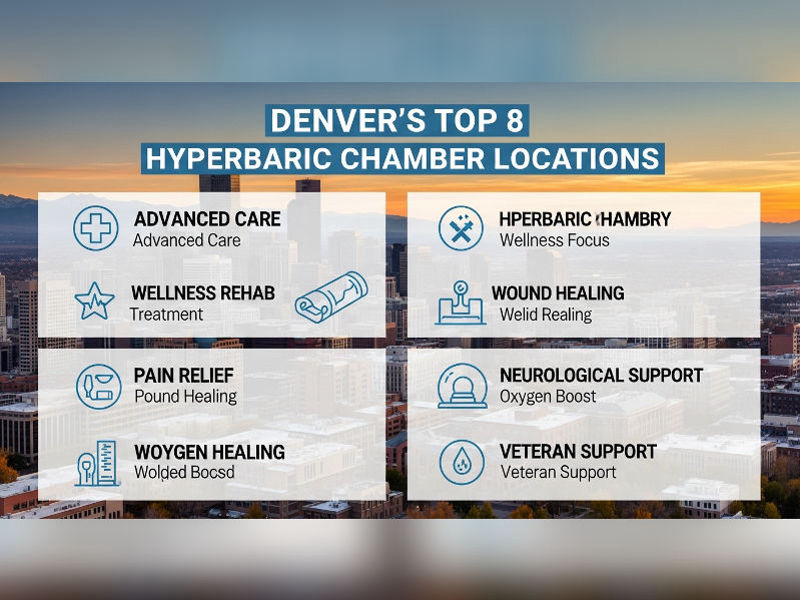
Whole Health Hyperbarics runs a small operation. They focus on integrative medicine approaches. They combine hyperbaric therapy with nutritional support and IV vitamin therapy. It’s a niche model attracting people interested in holistic health.
The Denver hyperbaric chamber facility uses both hard-shell and soft-sided chambers. Choice depends on the treatment plan. Soft chambers operate at lower pressures (1.3 ATA). They cost less per session. They’re not appropriate for serious medical conditions.
Their customer service gets positive feedback., and staff spend time educating patients.. They explain what to expect. That approach works well for people new to hyperbaric therapy.
Choosing Your Hyperbaric Chamber Denver Provider
You’ve got options, now what? Start by figuring out whether you need medical treatment or wellness applications. That distinction matters. It affects insurance coverage and which facilities accept you.
For FDA-approved medical conditions, look at hospital-based programs first. They’ve got better insurance acceptance. Staff members are experienced with complex cases. For wellness or conditions without strong evidence, private clinics make more sense.
Ask these questions during consultation:
- What’s your staff certification?
- Which chamber will you use?
- How many sessions does my condition need?
- What does insurance cover?
Don’t skip the cost conversation., and session costs can vary widely.. Prices often range from $100 to $500.Some sessions cost more., and always request a written estimate.. Do this before committing.
You may also compare nearby facilities, consider hyperbaric chamber Colorado Springs or hyperbaric chamber Phoenix providers. Some people also research the hyperbaric chamber Scottsdale for seasonal treatment. Others investigate the hyperbaric chamber in San Antonio for regional alternatives.
Understanding Treatment Expectations and Outcomes
It’s important to be realistic., and hyperbaric therapy has limits.. Evidence is strong for certain conditions.Diabetic foot ulcers respond well., and radiation tissue damage shows benefit.. Carbon monoxide poisoning has clear support. HBOT significantly improves outcomes when used appropriately. For other applications, research is less conclusive.
Most treatment plans are intensive., and courses often include 20 to 40 sessions.. These occur over several weeks.You must commit to the schedule., and consistency is critical.. Missed sessions reduce effectiveness (Kranke et al., 2015). Plan your calendar accordingly.
Side effects are generally mild. They can include ear pressure similar to flying. You might experience temporary vision changes or fatigue. Serious complications are rare when facilities follow proper protocols (Thom, 2011).
Moving Forward With Your Treatment Decision
You’ve done your research and narrowed down facilities. Now it’s time to decide. Trust your instincts.Comfort matters., and you’ll spend many hours there.. Choose a place that feels right.
Don’t rush the choice., and most qualifying conditions aren’t emergencies.. Take time to review insurance details.Confirm coverage before starting., and compare costs.. Visit facilities before committing.
FAQs
- What conditions does insurance typically cover for hyperbaric therapy in Denver?
Insurance usually covers approved conditions., and these include diabetic wounds.. Radiation tissue damage is included.Carbon monoxide poisoning is covered., and decompression sickness also qualifies.. Coverage depends on your plan. Always verify beforehand.
- How long does each hyperbaric treatment session last at Denver facilities?
Most sessions last 60 to 90 minutes., and time inside the chamber varies.. Plan about two hours total.This includes preparation., and frequency varies by condition.. Some attend five times a week. Others go once or twice weekly.
- Do I need a doctor’s referral to start hyperbaric therapy in Denver?
For medical conditions, yes., and you will need a physician’s referral.. A prescription is required. Hospital-based programs require this., and doctor involvement improves coordination.. It leads to better care.
References
Kranke, P. M. H., A., Debus, S. E., & Weibel, S. (2015). Hyperbaric oxygen therapy for chronic wounds. Published Study (DOI)
Mathieu, D. & Kot, J. (2017). Tenth European Consensus Conference on Hyperbaric Medicine. Published Study (DOI)
Thom, S. R. (2011). Hyperbaric oxygen: Its mechanisms and efficacy. Published Study (DOI)
References
- Undersea and Hyperbaric Medical Society. (2023). Indications for Hyperbaric Oxygen Therapy. UHMS. uhms.org
- Thom, S. R. (2011). Hyperbaric oxygen: Its mechanisms and efficacy. Plastic and Reconstructive Surgery, 127(Suppl 1), 131S-141S. doi.org
- Centers for Medicare and Medicaid Services. (2024). Hyperbaric Oxygen Therapy Coverage Criteria. CMS.gov. cms.gov
References
- Undersea and Hyperbaric Medical Society. “Hyperbaric Oxygen Therapy Indications.” 14th Edition, 2019. uhms.org
- Thom SR. “Hyperbaric oxygen: its mechanisms and efficacy.” Plastic and Reconstructive Surgery, 2011;127(Suppl 1):131S-141S. DOI: 10.1097/PRS.0b013e3181fbe2bf
- Centers for Medicare & Medicaid Services. “National Coverage Determination for Hyperbaric Oxygen Therapy.” NCD 20.29. cms.gov
Medical Disclaimer
The content on BaricBoost.com is for informational purposes only and is not intended as a substitute for professional medical advice, diagnosis, or treatment. Always seek the advice of your physician or other qualified health provider with any questions you may have regarding a medical condition. Never disregard professional medical advice or delay in seeking it because of something you have read on this website.

Author
Seph Fontane Pennock is the founder of BaricBoost.com and Regenerated.com, a clinic directory for regenerative medicine serving 10,000+ providers across the United States. He previously built and sold PositivePsychology.com, which grew to 19 million users and became the largest evidence-based positive psychology resource on the web. Seph brings direct experience as an HBOT patient, having completed protocols at clinics across three continents while navigating mold illness, systemic inflammation, and autoimmune conditions. His treatment journey includes hyperbaric oxygen therapy, peptide protocols, NAD+ therapy, and consultations with specialists from Dubai to Cape Town to Mexico. This combination of entrepreneurial track record and lived patient experience shapes everything published on BaricBoost.com. Every article is grounded in peer-reviewed research, informed by real clinical encounters, and written for patients making high-stakes treatment decisions. Seph's focus is on bringing transparency, scientific rigor, and practical guidance to the hyperbaric oxygen therapy space.