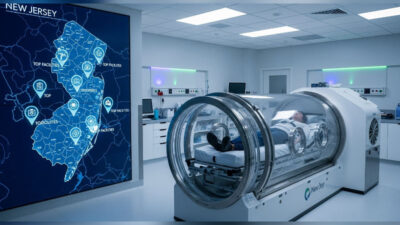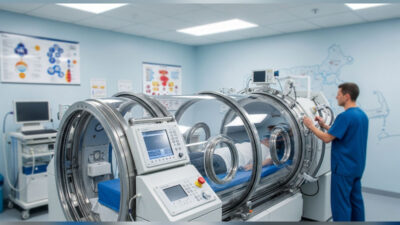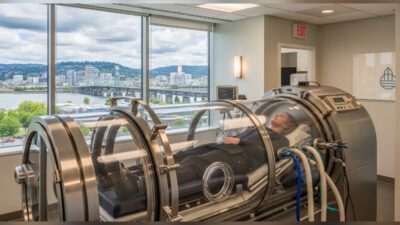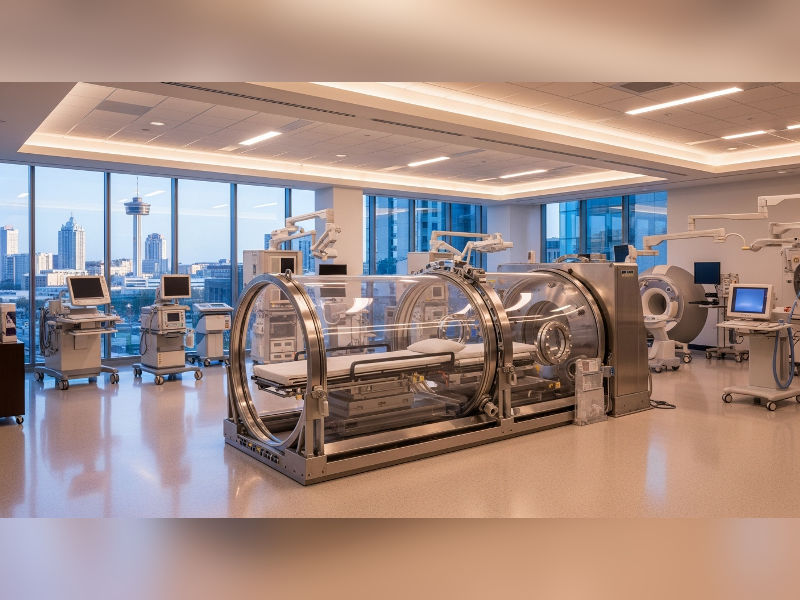
San Antonio supports six hyperbaric oxygen therapy programs, anchored by military-affiliated facilities and civilian wound-care centers. The city’s proximity to Brooke Army Medical Center, which pioneered HBOT research for combat injuries, gives it a unique clinical depth.
These locations are easy to identify., and these facilities support wound care.. They also support post-surgical recovery. They also treat conditions that benefit from pressurized oxygen. This creates a comprehensive treatment network. This guide shows where to find these chambers, what conditions they treat, and how San Antonio compares to other Texas cities.
Table of Contents
Why San Antonio Has Become a Regional HBOT Destination
According to the Undersea and Hyperbaric Medical Society, HBOT is recognized for 14 FDA-cleared medical indications, with over 1.5 million treatments administered annually in the United States.
Undersea and Hyperbaric Medical Society (UHMS)
San Antonio did not become a hyperbaric center by chance. The city has a strong military presence. That history shaped its medical programs, and that presence drove early adoption, and that presence shaped its medical infrastructure. This drives investment in advanced medical technologies. Joint Base San Antonio and Brooke Army Medical Center anchor this system. Military personnel often recover from blast injuries. These injuries require hyperbaric therapy. That infrastructure benefits civilian patients, too.
The city serves as a referral hub for South Texas. Patients from smaller towns travel here for specialized treatments. University Health System and Methodist Healthcare maintain accredited programs. Programs follow strict safety rules. They use clear protocols. They meet standards set by the Undersea and Hyperbaric Medical Society. Oversight is consistent.
Research shows HBOT improves healing., and clinical evidence supports its use.. New studies continue to emerge. The results are well documented. This is especially true for diabetic foot ulcers. Studies show up to a 40% reduction in amputation rates. This occurs when HBOT is combined with standard care (Kranke et al., 2015). San Antonio’s facilities apply this evidence-based approach.
Medical Centers Offering Hyperbaric Oxygen Chamber San Antonio Services
Let’s break down the facilities where you can receive treatment. Each center operates differently in chamber types and conditions treated.
University Health System runs one of the most established programs. Their hyperbaric department handles emergency cases and chronic wounds. They use multiplace chambers. Medical staff can be inside with patients during treatment. This works well for critically ill patients.
Methodist Hospital operates another major program with both chamber types. Their wound care center integrates hyperbaric therapy with advanced treatments. Patients receive comprehensive assessments.
Brooke Army Medical Center primarily serves military beneficiaries. They occasionally treat civilian cases through specific referrals. Their program handles complex cases, including brain injuries and severe burns.
Private facilities like Hyperbaric Centers of Texas offer another option. These centers treat less acute conditions. They may offer cash-pay options for patients.
San Antonio Military Medical Center maintains hyperbaric capabilities. Access depends on military affiliation. The collaboration between military and civilian programs creates knowledge-sharing opportunities.
| Facility Type | Chamber Type | Patient Population | Conditions Treated |
| Major Hospitals | Multiplace | Emergency & chronic wound | Diabetic ulcers, radiation injury |
| Military Centers | Both types | Active duty, veterans | Blast injuries, TBI, burns |
| Private Clinics | Monoplace | Self-pay patients | Sports recovery, wellness |
Conditions Treated at Hyperbaric Facilities in San Antonio
San Antonio’s hyperbaric centers treat a broad range of conditions. While diabetic foot ulcers dominate the caseload, facilities handle 13 FDA-approved indications.
Chronic wounds represent the largest treatment category. Diabetic patients with non-healing foot ulcers often get referred for HBOT. Pressurized oxygen stimulates new blood vessel growth. This improves circulation. It also fights infection. It is critical for damaged tissue. Treatment usually includes 20 to 40 sessions. Each session lasts about 90 minutes.
Radiation tissue damage is another major application. Cancer survivors with radiation complications can experience relief. The oxygen helps repair damaged tissue. It also reduces chronic pain. Many patients report steady improvement.
Carbon monoxide poisoning requires immediate hyperbaric treatment. Delays increase risk. Outcomes worsen quickly. San Antonio hospitals keep chambers ready. They are prepared for emergency use. The pressurized oxygen displaces carbon monoxide from hemoglobin faster than regular air.
Some facilities also treat sudden hearing loss and certain infections like necrotizing fasciitis. The protocols differ by condition. Pressure levels, session duration, and total treatments vary.
Some patients ask about conditions outside FDA-approved indications. Some hyperbaric chamber Phoenix and hyperbaric chamber Denver facilities advertise treatments for autism. San Antonio has clinics making similar claims. The evidence is weaker. Insurance typically won’t cover them.
What to Expect During Treatment Sessions
Walking into a hyperbaric chamber can feel intimidating. The experience is unfamiliar at first. The space feels enclosed.The chambers resemble large tubes., and some look like small rooms.. Monoplace chambers fit one person lying down. Multiplace units resemble small submarines.
Before your first session, you’ll go through orientation. Staff will explain ear equalization techniques. As pressure increases, you need to equalize pressure in your middle ear. This prevents discomfort. Some people handle this easily. Others need breaks.
You can’t bring certain items into the chamber., and no petroleum-based products.. No electronics. No synthetic fabrics. The 100% oxygen environment means fire risk is real. You’ll wear cotton clothing provided by the center.
During treatment, you breathe 100% oxygen. The chamber pressure increases. It reaches two to three times normal atmospheric pressure. Many people read during sessions. Others sleep or watch movies. Sessions usually last 90 to 120 minutes.
Side effects are usually mild., and ear discomfort is most common.. Some people experience temporary vision changes. Usually, slight nearsightedness resolves after treatment. Serious complications are rare.
| Treatment Phase | Duration | What Happens | Sensations |
| Pressurization | 10-15 minutes | Pressure increases | Ear fullness, warmth |
| Treatment Time | 60-90 minutes | Patient breathes oxygen | Relaxation, drowsiness |
| Depressurization | 10-15 minutes | Pressure returns to normal | Ear popping, fatigue |
Comparing San Antonio’s Hyperbaric Resources to Other Texas Cities
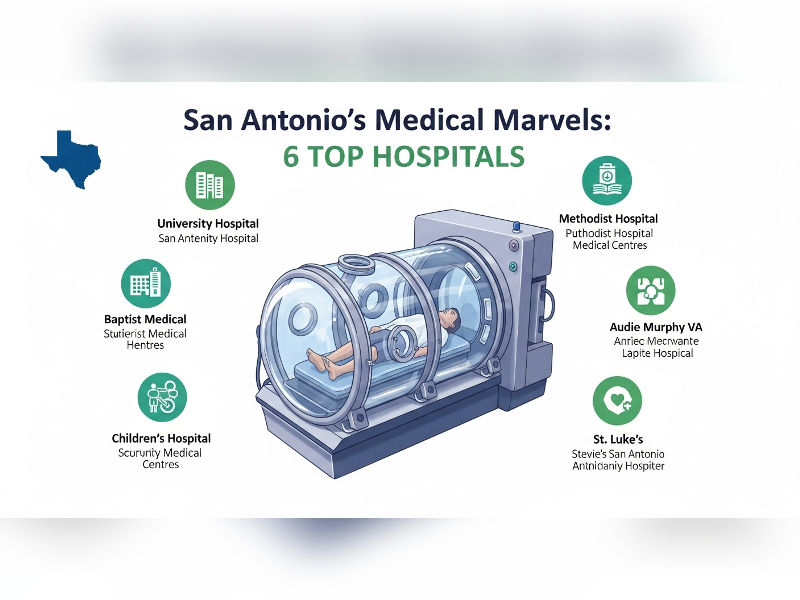
How does San Antonio stack up against other Texas cities? Houston has the edge in the number of facilities. Multiple academic centers run large hyperbaric departments. Dallas has strong programs, too.
San Antonio holds its own through specialization. The military connection gives unique expertise in trauma. The city’s wound care programs are well-established. San Antonio’s proximity to the border matters. Facilities sometimes treat rare infectious diseases.
Hyperbaric chamber Scottsdale facilities and hyperbaric chamber Colorado Springs locations operate differently. Each market serves a distinct audience. Patient needs vary by region. Scottsdale’s programs emphasize wellness. They also focus on sports medicine. Colorado Springs has military connections through the Air Force Academy.
Austin has fewer dedicated hyperbaric programs. Some Austin patients travel to San Antonio for treatment. The 80-mile drive is manageable.
One advantage San Antonio offers is cost variability. The mix of hospital programs and private clinics creates different pricing. Hospital programs are billed through insurance. Private clinics may offer package deals.
Insurance Coverage and Cost Considerations for San Antonio HBOT
Getting insurance to cover hyperbaric oxygen therapy depends on your diagnosis. For the 13 FDA-approved indications, most insurance plans provide coverage. Medical necessity must be established. Your doctor needs to document that you’ve tried standard treatments first.
A typical course involves 20-40 sessions. If you’re paying out of pocket, costs range from $250-500 per session. A full course costs $5,000-20,000. Hospital programs have different cost structures.
Medicare covers hyperbaric oxygen therapy for approved conditions. This matters since many wound care patients are older adults with diabetes. Coverage requires that treatments occur in certified settings.
Some San Antonio facilities offer financing options. If you’re considering HBOT for a non-approved condition, get cost estimates upfront. Ask about package pricing. Clarify what happens if you discontinue treatment early.
For approved conditions, insurance authorization requires documentation. Your wound care specialist handles this paperwork. Expect the process to take several weeks. Emergency conditions don’t require pre-authorization.
Finding the Right Hyperbaric Provider in San Antonio
Choosing where to receive treatment involves several factors. Accreditation is important. It signals quality and safety. Look for facilities accredited by the Undersea and Hyperbaric Medical Society. This shows the program meets national safety standards.
Ask about the medical director’s qualifications. Hyperbaric medicine is a subspecialty. Physicians running these programs should have specific training. Board certification is important.
Chamber type might influence your decision., and some people prefer monoplace chambers.. Others find multiplace chambers more comfortable. Neither type is objectively better.
Consider the full scope of services. The best outcomes come from integrated programs. Hyperbaric therapy works best as one component of comprehensive treatment. For wound care, which includes vascular surgery and podiatry.
Transportation logistics matter., and a typical course includes 30 to 40 sessions.. Consistency matters for results.Skipped sessions slow progress., and you need a location you can reach consistently.. Some centers offer early morning appointments. Others offer evening hours. Others operate during standard business hours.
Visit facilities before committing., and most programs offer consultations.. You can see the chambers and meet the staff. This helps you gauge whether the facility feels professionally run.
If you’re comparing options across cities, factor in travel costs. For most approved indications, treatment protocols are standardized. A well-run San Antonio program delivers equivalent outcomes. Quality depends on protocol and oversight.
FAQs
- Where can I find a hyperbaric oxygen chamber in San Antonio?
San Antonio offers several options., and university Health System is one choice.. Methodist Hospital is another. Brooke Army Medical Center serves military beneficiaries, and it has long-standing experience. It plays a central role in care. Private wellness clinics also provide hyperbaric services. Access is more flexible.
- What medical conditions does San Antonio’s hyperbaric therapy treat?
Local facilities focus on diabetic foot ulcers., and they treat radiation tissue damage.. They manage chronic wounds.They also handle carbon monoxide poisoning., and certain infections are treated as well.. Protocols follow FDA-approved indications. Clinical criteria guide use.
- How much does hyperbaric oxygen therapy cost in San Antonio?
Costs vary by facility., and insurance coverage affects pricing.. Self-pay options are also available. Hospital programs bill through insurance for approved conditions. Private clinics charge $250 to $500 per session. Pricing varies by provider.
- Do I need a doctor’s referral for hyperbaric treatment in San Antonio?
Yes, legitimate programs require physician referral. A referring physician documents medical necessity. The doctor confirms you qualify.Your condition meets HBOT criteria., and medical clearance is required.. Safety comes first.
- How long does a typical course of hyperbaric therapy take?
Most plans include 20 to 40 sessions. Sessions run five days per week. Each session lasts 90 to 120 minutes. The full course lasts four to eight weeks.
References
Kranke, P., Debus, S. E., & Weibel, S. (2015). Hyperbaric oxygen therapy for chronic wounds. Published Study (DOI)
Mathieu, D. & Kot, J. (2017). Tenth European Consensus Conference on Hyperbaric Medicine. Published Study (DOI)
Thom, S. R. (2011). Hyperbaric oxygen: Its mechanisms and efficacy. Published Study (DOI)
References
- Undersea and Hyperbaric Medical Society. (2023). Indications for Hyperbaric Oxygen Therapy. UHMS. uhms.org
- Thom, S. R. (2011). Hyperbaric oxygen: Its mechanisms and efficacy. Plastic and Reconstructive Surgery, 127(Suppl 1), 131S-141S. doi.org
- Centers for Medicare and Medicaid Services. (2024). Hyperbaric Oxygen Therapy Coverage Criteria. CMS.gov. cms.gov
References
- Undersea and Hyperbaric Medical Society. “Hyperbaric Oxygen Therapy Indications.” 14th Edition, 2019. uhms.org
- Thom SR. “Hyperbaric oxygen: its mechanisms and efficacy.” Plastic and Reconstructive Surgery, 2011;127(Suppl 1):131S-141S. DOI: 10.1097/PRS.0b013e3181fbe2bf
- Centers for Medicare & Medicaid Services. “National Coverage Determination for Hyperbaric Oxygen Therapy.” NCD 20.29. cms.gov
Medical Disclaimer
The content on BaricBoost.com is for informational purposes only and is not intended as a substitute for professional medical advice, diagnosis, or treatment. Always seek the advice of your physician or other qualified health provider with any questions you may have regarding a medical condition. Never disregard professional medical advice or delay in seeking it because of something you have read on this website.

Author
Seph Fontane Pennock is the founder of BaricBoost.com and Regenerated.com, a clinic directory for regenerative medicine serving 10,000+ providers across the United States. He previously built and sold PositivePsychology.com, which grew to 19 million users and became the largest evidence-based positive psychology resource on the web. Seph brings direct experience as an HBOT patient, having completed protocols at clinics across three continents while navigating mold illness, systemic inflammation, and autoimmune conditions. His treatment journey includes hyperbaric oxygen therapy, peptide protocols, NAD+ therapy, and consultations with specialists from Dubai to Cape Town to Mexico. This combination of entrepreneurial track record and lived patient experience shapes everything published on BaricBoost.com. Every article is grounded in peer-reviewed research, informed by real clinical encounters, and written for patients making high-stakes treatment decisions. Seph's focus is on bringing transparency, scientific rigor, and practical guidance to the hyperbaric oxygen therapy space.