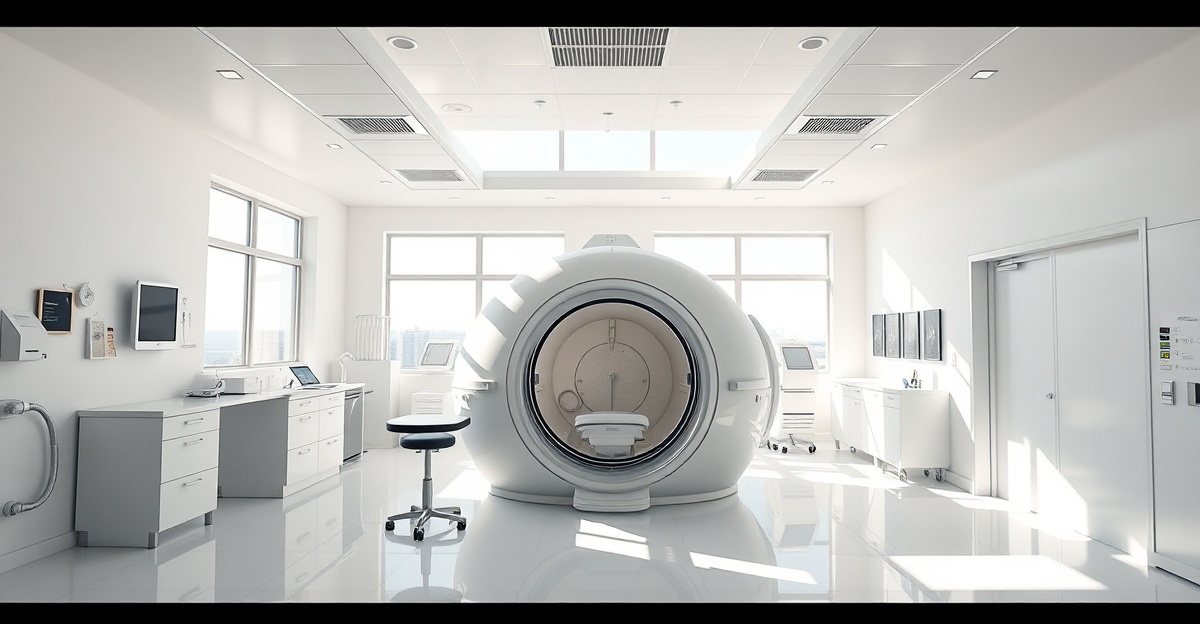
Orange County has a dense cluster of hyperbaric oxygen therapy providers, from hospital-affiliated wound care centers to private wellness clinics. Here is a breakdown of the facilities currently operating in the area, what they treat, and what they charge.
HBOT in Orange County: A Dense and Competitive Market
Orange County sits at the intersection of Southern California’s medical infrastructure and its wellness culture. Cities like Irvine, Newport Beach, Huntington Beach, and Anaheim are home to a wide range of healthcare providers, and hyperbaric oxygen therapy has found a strong foothold here. The region’s affluent demographics and proximity to major Los Angeles medical centers have created a market where both clinical and wellness-oriented HBOT options are widely available.
For residents across the OC area, from Laguna Beach to Fullerton, the practical challenge is not finding a provider but evaluating the differences between them. Hospital-based wound care programs, standalone hyperbaric clinics, and integrative health practices all offer some form of pressurized oxygen therapy, but the equipment, protocols, and medical oversight vary significantly. Understanding these differences is essential before committing to a treatment plan that may span weeks or months.
The broader Southern California market also means that residents in border cities like Seal Beach or La Habra can access providers in neighboring Long Beach or Los Angeles County. This guide focuses on what to look for regardless of which specific provider you choose.
Types of HBOT Providers in Orange County
Hospital-Based Wound Care Centers
Several hospital systems in Orange County operate dedicated wound care and hyperbaric medicine departments. These programs typically use multiplace or monoplace clinical-grade chambers pressurized to 2.0-3.0 ATA (atmospheres absolute) and treat FDA-cleared indications such as diabetic foot ulcers, radiation injury, and non-healing surgical wounds. Patients are usually referred by a physician, and treatment is more likely to be partially covered by insurance when the diagnosis falls within established medical indications.
Hospital-based programs tend to have the most rigorous safety protocols, including on-site emergency support and staff with Certified Hyperbaric Technologist (CHT) credentials. The trade-off is less scheduling flexibility and longer wait times for intake.
Standalone HBOT Clinics
Standalone hyperbaric clinics are a growing segment in Orange County. These facilities focus specifically on HBOT and often offer both clinical-grade chambers (above 1.5 ATA) and lower-pressure options. Many cater to patients seeking treatment for conditions like traumatic brain injury, post-surgical recovery, or athletic performance, which may not be covered by insurance but have growing clinical interest.
The advantage of standalone clinics is typically faster scheduling, more personalized attention, and treatment plans designed around the patient’s specific goals. When evaluating these providers, ask about the supervising physician, chamber specifications, and whether the facility follows Undersea and Hyperbaric Medical Society (UHMS) guidelines.
Integrative and Wellness Centers
Orange County’s wellness industry is substantial, and many integrative health practices have added mild hyperbaric therapy (mHBOT) to their service menus alongside IV therapy, cryotherapy, and other modalities. These centers typically use soft-shell or low-pressure chambers operating at 1.3-1.5 ATA with concentrated oxygen.
Mild hyperbaric therapy is generally considered lower risk and does not require the same level of medical oversight as clinical HBOT. However, the evidence base for mHBOT is more limited than for clinical-grade treatment. If you are considering this route for a specific medical condition, discuss it with your physician first and understand the distinction between clinical and wellness-grade HBOT.
Evaluating Orange County HBOT Providers: What to Ask
Who Is the Supervising Physician?
Any provider offering clinical HBOT (above 1.5 ATA) should have a supervising physician, ideally one with training in hyperbaric medicine. Ask whether the physician is board-certified or has completed a UHMS-recognized training program. For mild hyperbaric therapy, direct physician supervision is less standard, but the provider should still be able to explain their medical oversight structure.
What Type of Chamber Do They Use?
Chambers vary widely. Monoplace chambers (single-person, hard-shell) are the clinical standard and can reach pressures of 2.0-3.0 ATA. Multiplace chambers allow multiple patients and a technician inside simultaneously. Soft-shell chambers are limited to lower pressures and are used primarily in wellness settings. The type of chamber should match your treatment goals and the condition you are addressing.
Is the Facility UHMS-Accredited?
UHMS accreditation is the gold standard for hyperbaric facilities. It indicates that the program meets specific safety, staffing, and equipment standards. Not all legitimate providers carry this accreditation, especially newer or smaller clinics, but it is a strong positive signal. Ask about it.
What Does the Treatment Plan Look Like?
A credible provider will not promise results after a single session. Most clinical HBOT protocols involve 20-40 sessions, typically five days per week. Ask how they determine the number of sessions, what pressure and duration they use, and how they track progress. Be cautious of providers who guarantee outcomes or suggest unusually short treatment courses for complex conditions.
Cost of HBOT in Orange County
Orange County HBOT pricing reflects the region’s higher cost of living and the competitive wellness market. Expect the following general ranges:
Clinical HBOT (hard-shell, 2.0+ ATA): $200-$400 per session. Some providers offer package pricing that brings the per-session cost down, typically in the range of $150-$300 per session when purchasing 20 or more sessions upfront.
Mild hyperbaric therapy (soft-shell, 1.3-1.5 ATA): $75-$150 per session. Wellness centers sometimes offer monthly memberships or multi-session passes.
With most protocols requiring 20-40 sessions, total out-of-pocket costs for a full course of clinical HBOT can range from $4,000 to $12,000. This is a significant investment, and it is worth comparing pricing across multiple providers, including those in adjacent areas like Long Beach or south LA County. For a deeper look at pricing factors, see our HBOT cost guide.
Insurance and Coverage in California
Medicare covers HBOT for 14 specific indications, including diabetic wounds, chronic refractory osteomyelitis, and compromised skin grafts. Coverage requires treatment at an approved facility with a qualifying diagnosis. California Medi-Cal may also cover HBOT for approved indications, though access and approval processes vary by managed care plan.
Private insurance coverage is inconsistent. Some PPO plans cover HBOT for FDA-cleared indications when ordered by a physician, but many plans require prior authorization and may deny claims for off-label use. HMO plans in California are less likely to cover HBOT outside of hospital-based wound care settings.
If insurance coverage is important to your decision, contact your insurer before starting treatment. Ask the provider whether they handle insurance billing directly or whether you will need to submit claims yourself. Many standalone clinics in Orange County operate on a cash-pay basis and can provide superbills for potential reimbursement.
Getting Started: Preparing for Your First HBOT Session in Orange County
Once you have selected a provider, your first session will typically begin with an intake evaluation. For clinical HBOT, this includes a medical history review, a physical exam (often focused on ears, sinuses, and lungs), and a discussion of your treatment goals and expected protocol length.
Practical preparation tips:
- Clothing: Wear 100% cotton clothing. Most facilities prohibit synthetic fabrics, electronics, and petroleum-based products inside the chamber due to the enriched oxygen environment.
- Ear clearing: You will need to equalize ear pressure during pressurization, similar to flying or diving. Practice swallowing, yawning, or the Valsalva maneuver beforehand. If you have a history of ear problems, mention it during intake.
- Blood sugar: If you are diabetic, eat before your session. HBOT can lower blood sugar levels. Your provider should check glucose before and after treatment.
- Medications: Disclose all medications, especially anything that affects blood sugar or blood pressure. Some medications may need adjustment during a treatment course.
- Time commitment: Sessions typically last 60-90 minutes in the chamber, plus prep time. Plan for about two hours per visit, especially for early sessions.
Frequently Asked Questions
Are there HBOT providers throughout Orange County, or just in certain cities?
Providers are distributed across the county, with higher concentrations in Irvine, Newport Beach, Anaheim, and Mission Viejo. Residents in north OC cities like Brea or Yorba Linda may also find it convenient to access providers in the Inland Empire or eastern LA County. The key factor is finding a provider whose chamber type and medical oversight match your needs, not just proximity.
Can I use HBOT for athletic recovery at an Orange County wellness center?
Yes, several wellness and integrative centers in Orange County market mild hyperbaric therapy for athletic recovery and general wellness. These typically use lower-pressure chambers. While some athletes report benefits, the clinical evidence for mHBOT in sports recovery is still limited. It is a reasonable option to explore, but set realistic expectations and do not confuse it with clinical-grade HBOT used for medical conditions.
How do I know if a provider is legitimate versus just selling a wellness trend?
Look for specific signals: a named supervising physician with hyperbaric training, staff with CHT or CRT credentials, clear documentation of chamber specifications (pressure, oxygen delivery method), and a willingness to discuss the evidence base honestly, including what HBOT cannot do. Providers who make broad cure claims or discourage you from consulting your primary physician are red flags.
Is HBOT safe during pregnancy or for children?
HBOT is generally not recommended during pregnancy unless medically necessary (such as carbon monoxide poisoning). For children, clinical HBOT is used in specific medical contexts, but it requires pediatric expertise and appropriate chamber equipment. Discuss any special circumstances with both your referring physician and the hyperbaric provider before scheduling treatment.
Sources
- Undersea and Hyperbaric Medical Society (UHMS). “Indications for Hyperbaric Oxygen Therapy.” uhms.org
- U.S. Food and Drug Administration. “Hyperbaric Oxygen Therapy: Don’t Be Misled.” fda.gov
- Centers for Medicare & Medicaid Services. “NCD for Hyperbaric Oxygen Therapy (20.29).” cms.gov
- Medical Board of California. “Scope of Practice and Supervision Requirements.” mbc.ca.gov
- Undersea and Hyperbaric Medical Society. “UHMS Accredited Facilities.” uhms.org
- Heyboer M, et al. “Hyperbaric Oxygen Therapy: Side Effects Defined and Quantified.” Advances in Wound Care. 2017;6(6):210-224.
Looking for HBOT providers in other areas? Browse our full directory of HBOT locations across the United States.
References
- Undersea and Hyperbaric Medical Society. “Hyperbaric Oxygen Therapy Indications.” 14th Edition, 2019. uhms.org
- Thom SR. “Hyperbaric oxygen: its mechanisms and efficacy.” Plastic and Reconstructive Surgery, 2011;127(Suppl 1):131S-141S. DOI: 10.1097/PRS.0b013e3181fbe2bf
- Centers for Medicare & Medicaid Services. “National Coverage Determination for Hyperbaric Oxygen Therapy.” NCD 20.29. cms.gov
Medical Disclaimer
The content on BaricBoost.com is for informational purposes only and is not intended as a substitute for professional medical advice, diagnosis, or treatment. Always seek the advice of your physician or other qualified health provider with any questions you may have regarding a medical condition. Never disregard professional medical advice or delay in seeking it because of something you have read on this website.

Author
Seph Fontane Pennock is the founder of BaricBoost.com and Regenerated.com, a clinic directory for regenerative medicine serving 10,000+ providers across the United States. He previously built and sold PositivePsychology.com, which grew to 19 million users and became the largest evidence-based positive psychology resource on the web. Seph brings direct experience as an HBOT patient, having completed protocols at clinics across three continents while navigating mold illness, systemic inflammation, and autoimmune conditions. His treatment journey includes hyperbaric oxygen therapy, peptide protocols, NAD+ therapy, and consultations with specialists from Dubai to Cape Town to Mexico. This combination of entrepreneurial track record and lived patient experience shapes everything published on BaricBoost.com. Every article is grounded in peer-reviewed research, informed by real clinical encounters, and written for patients making high-stakes treatment decisions. Seph's focus is on bringing transparency, scientific rigor, and practical guidance to the hyperbaric oxygen therapy space.