Seattle’s hyperbaric oxygen therapy landscape includes hospital wound care centers, freestanding clinics, and integrative medicine practices. Here is a breakdown of the facilities currently operating in the greater Seattle area, what they treat, and what they charge.
Top HBOT Clinics in Seattle
Hospital-Based Programs
Virginia Mason Medical Center
Virginia Mason operates one of the Pacific Northwest’s most established hyperbaric medicine programs. Their center treats the full range of FDA-approved conditions and maintains 24/7 emergency recompression capability for diving injuries in the Puget Sound region. The program uses both monoplace and multiplace chambers, with physicians board-certified in undersea and hyperbaric medicine supervising all treatments.
UW Medicine / Harborview Medical Center
Harborview, the region’s only Level I trauma center and the primary referral center for a five-state area, provides hyperbaric oxygen therapy through its wound care program. As part of the University of Washington medical system, the program benefits from academic research and access to clinical trials. Harborview’s trauma designation also means they handle emergency HBOT cases including carbon monoxide poisoning and gas gangrene.
Independent Clinics
Several independent HBOT providers serve the Seattle metro area, offering both standard and off-label treatments. The Pacific Northwest’s openness to integrative and alternative medicine means many clinics combine HBOT with other modalities like IV therapy, functional medicine, and nutritional support as part of comprehensive treatment plans.
What Makes Seattle Unique for HBOT
Diving and Maritime Medicine
Seattle’s location on Puget Sound means a significant population of recreational and commercial divers. Decompression sickness, while uncommon, requires immediate HBOT. Virginia Mason’s 24/7 recompression chamber is the primary resource for the entire Pacific Northwest. In a diving emergency, call 911 and the Divers Alert Network at +1-919-684-9111.
Integrative Medicine Culture
The Pacific Northwest has one of the strongest integrative medicine cultures in the United States. Seattle-area patients often approach HBOT as part of a broader wellness strategy rather than a standalone treatment. This means providers tend to be well-versed in combining HBOT with other evidence-based therapies and are generally more open to discussing off-label applications than providers in more conservative medical markets.
How Much Does HBOT Cost?
Independent clinics in Seattle charge $225-$450 per session. Hospital programs accept insurance for FDA-approved conditions. For full pricing details, see our HBOT cost guide.
How Many HBOT Facilities Serve the Seattle Area
The greater Seattle-Tacoma metro area has approximately 6 to 10 facilities offering hyperbaric oxygen therapy. This includes hospital-based programs at major medical centers, freestanding clinics, and integrative medicine practices that offer HBOT alongside other modalities.
Washington state overall has an estimated 20 to 30 HBOT providers, giving it roughly 2.5 to 3.5 facilities per million residents. That places Washington below the national average, concentrated heavily in the Puget Sound corridor. Patients in eastern Washington or rural areas may need to travel to Seattle or Portland for treatment.
The market split in Seattle leans more toward independent and integrative clinics than the national average. The Pacific Northwest’s wellness culture means a higher proportion of providers focus on off-label applications including traumatic brain injury, long COVID protocols, and anti-aging treatments rather than purely wound care.
Typical Pricing in the Seattle Market
Seattle HBOT pricing runs 10 to 20% above national averages, reflecting the region’s higher cost of living and operating expenses. Expect:
- Hospital-based programs: $250 to $500 per session when billed through insurance. Copays for approved indications vary by plan but typically fall in the $50 to $150 range after deductible.
- Independent clinics (cash pay): $225 to $450 per session for monoplace treatments. Multi-session packages (20 or 40 sessions) are standard, with discounts of 15 to 25%.
- Integrative medicine clinics: $200 to $400 per HBOT session, often bundled with IV therapy, functional medicine consultations, or other complementary treatments at additional cost.
For national pricing benchmarks and what drives cost variation, see our complete HBOT cost guide.
Insurance Coverage in Seattle
Hospital programs at Virginia Mason and UW Medicine/Harborview accept major insurance carriers for the 14 UHMS-approved indications. Medicare covers HBOT for qualifying conditions with proper documentation. Washington state Medicaid (Apple Health) also covers HBOT for approved indications at participating facilities.
Independent clinics are primarily cash-pay. Some provide documentation for patients to attempt insurance reimbursement, but off-label HBOT claims are rarely approved by Washington state insurers.
Clinical Programs of Note
Virginia Mason’s hyperbaric program is one of the few in the Pacific Northwest with both monoplace and multiplace chamber capability. Their multiplace chamber allows treatment of critically ill patients with inside-attendant care, a capability most freestanding clinics cannot offer. For patients needing the highest standard of care, particularly for emergency decompression or treatment requiring pressures above 3.0 ATA, Virginia Mason is the regional referral center.
UW Medicine/Harborview’s role as a Level I trauma center means they handle the most acute HBOT cases in the five-state region (Washington, Wyoming, Alaska, Montana, Idaho). Their academic affiliation also means patients may have access to clinical trials investigating HBOT for conditions still under study. For patients interested in research-backed protocols beyond the 14 standard UHMS indications, asking about active trials is worthwhile.
What to Ask When Calling a Seattle HBOT Clinic
Before scheduling, these questions will help you evaluate the facility:
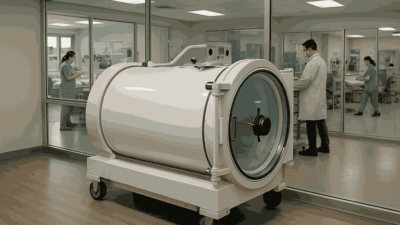
- Chamber specifications: What type of chamber (monoplace or multiplace)? What pressure do they treat at? Clinical HBOT requires 2.0 ATA or higher for FDA-approved conditions.
- Physician oversight: Is a physician board-certified in undersea and hyperbaric medicine supervising your care? Virginia Mason and Harborview have UHM-board-certified physicians; verify this at independent clinics.
- Treatment plan: How many sessions, at what frequency, and for how long? Standard wound care protocols call for 20 to 40 sessions at 60 to 120 minutes, 5 days per week.
- Total cost estimate: A complete course of 40 sessions at $300 per session runs $12,000 before any discounts. Get the full number upfront.
- Emergency protocols: What happens if you have an adverse reaction during treatment? Hospital-based programs have emergency teams on site; independent clinics should have clear transfer agreements.
Read our guide on what to expect during HBOT to prepare for your first session and know what a well-run protocol looks like.
Sources
- UHMS: Approved HBO Indications
- Mayo Clinic: Hyperbaric Oxygen Therapy
- FDA: Hyperbaric Oxygen Therapy Consumer Update
References
- Undersea and Hyperbaric Medical Society. “Hyperbaric Oxygen Therapy Indications.” 14th Edition, 2019. uhms.org
- Thom SR. “Hyperbaric oxygen: its mechanisms and efficacy.” Plastic and Reconstructive Surgery, 2011;127(Suppl 1):131S-141S. DOI: 10.1097/PRS.0b013e3181fbe2bf
- Centers for Medicare & Medicaid Services. “National Coverage Determination for Hyperbaric Oxygen Therapy.” NCD 20.29. cms.gov
Medical Disclaimer
The content on BaricBoost.com is for informational purposes only and is not intended as a substitute for professional medical advice, diagnosis, or treatment. Always seek the advice of your physician or other qualified health provider with any questions you may have regarding a medical condition. Never disregard professional medical advice or delay in seeking it because of something you have read on this website.

Author
Seph Fontane Pennock is the founder of BaricBoost.com and Regenerated.com, a clinic directory for regenerative medicine serving 10,000+ providers across the United States. He previously built and sold PositivePsychology.com, which grew to 19 million users and became the largest evidence-based positive psychology resource on the web. Seph brings direct experience as an HBOT patient, having completed protocols at clinics across three continents while navigating mold illness, systemic inflammation, and autoimmune conditions. His treatment journey includes hyperbaric oxygen therapy, peptide protocols, NAD+ therapy, and consultations with specialists from Dubai to Cape Town to Mexico. This combination of entrepreneurial track record and lived patient experience shapes everything published on BaricBoost.com. Every article is grounded in peer-reviewed research, informed by real clinical encounters, and written for patients making high-stakes treatment decisions. Seph's focus is on bringing transparency, scientific rigor, and practical guidance to the hyperbaric oxygen therapy space.