Hyperbaric Oxygen Therapy (HBOT) improved cognitive function in long COVID patients by increasing cerebral blood flow to brain regions responsible for memory, attention, and executive function. In the largest sham-controlled trial to date, 73 patients who received 40 HBOT sessions at 2.0 atmospheres absolute (ATA) showed significant improvements in brain perfusion on MRI, with the cognitive domain showing the greatest response of any symptom category.
Why Does Long COVID Cause Brain Fog?
Brain fog after COVID-19 is not a vague, subjective complaint. It has measurable biological underpinnings. Research has identified several mechanisms that explain why roughly 65% of long COVID patients report persistent cognitive difficulties months or years after infection.
Reduced cerebral blood flow. COVID-19 damages the endothelial cells lining blood vessels in the brain. This leads to microclots and reduced perfusion in areas critical for cognition, including the prefrontal cortex, insula, and supplementary motor areas. Brain MRI scans of long COVID patients consistently show hypoperfusion in these regions1.
Neuroinflammation. The virus triggers a sustained inflammatory response in the central nervous system. Pro-inflammatory cytokines including IL-6 and TNF-alpha remain elevated, while the anti-inflammatory cytokine IL-10 stays suppressed. A 2026 review of seven primary studies confirmed that this chronic inflammatory state directly impairs neuronal function2.
Mitochondrial dysfunction. Brain cells require enormous amounts of energy. The human brain consumes approximately 20% of the body’s total oxygen supply despite representing only 2% of body weight. When mitochondria are damaged by viral inflammation, neurons cannot maintain normal signaling. This manifests as difficulty concentrating, word-finding problems, slow processing speed, and mental fatigue that rest does not resolve. Functional MRI studies show that long COVID patients must recruit more brain regions to perform the same cognitive tasks as healthy controls, reflecting this underlying energy deficit.
Oxidative stress. Reactive oxygen species (ROS) accumulate when the body’s antioxidant defenses are overwhelmed. In long COVID patients, superoxide dismutase (SOD) activity, the body’s primary antioxidant enzyme, is measurably reduced. This oxidative damage compounds the problems caused by inflammation and poor blood flow, creating a self-reinforcing cycle where damaged tissue produces more inflammation, which produces more oxidative stress3.
Blood-brain barrier disruption. COVID-19 can damage the blood-brain barrier, the selective membrane that normally prevents harmful substances from entering brain tissue. When this barrier is compromised, inflammatory molecules and immune cells that should stay in the bloodstream enter the brain directly, amplifying neuroinflammation and further impairing cognitive function.
How Does HBOT Work for Long COVID Brain Fog?
HBOT addresses each of these mechanisms through a specific physiological pathway. This is not a single-target therapy. It operates on multiple fronts simultaneously, which is why it shows broader effects than interventions that target only one mechanism.
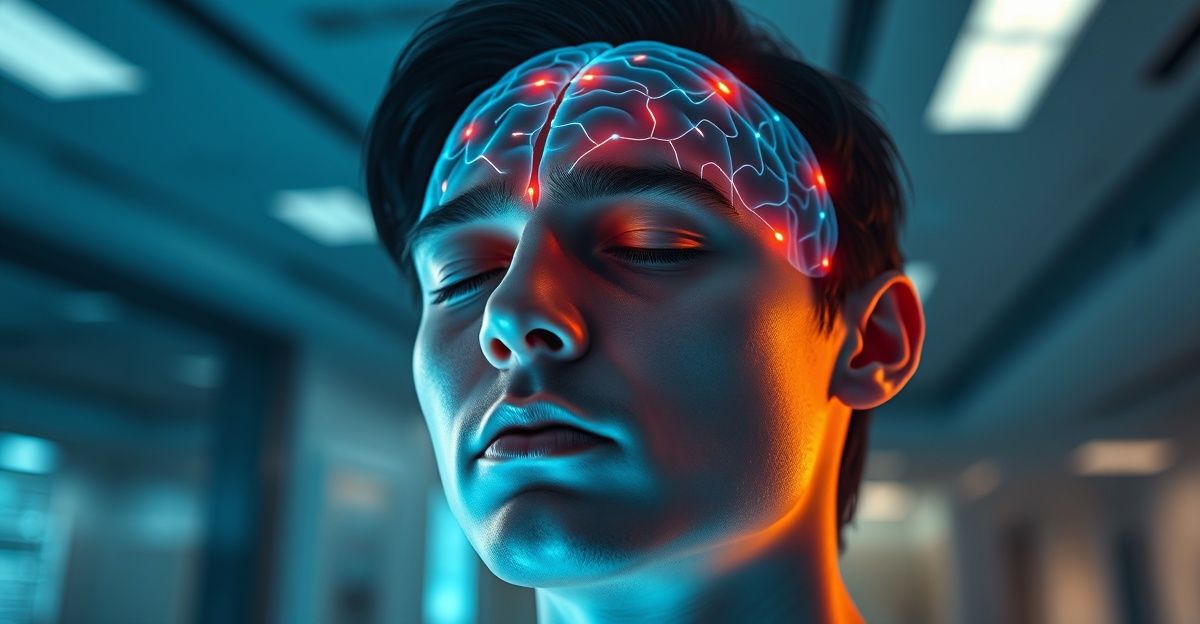
Cerebral perfusion restoration. Breathing 100% oxygen at 2.0 ATA increases arterial oxygen levels to approximately 1,824 mmHg, roughly 12 times normal levels. This hyperoxygenation drives new blood vessel growth (angiogenesis) in oxygen-starved brain tissue. Brain MRI from the Tel Aviv randomized controlled trial confirmed increased perfusion in the supramarginal gyrus, left supplementary motor area, right insula, left frontal precentral gyrus, right middle frontal gyrus, and superior corona radiata. These are not random brain areas. The supramarginal gyrus is involved in reading and language comprehension. The insula processes emotional awareness and interoception. The frontal regions govern executive function, planning, and working memory1.
Neuroplasticity stimulation. Diffusion tensor imaging (DTI) from the same trial showed microstructural changes in white matter tracts. White matter connects different brain regions, acting as the brain’s communication highway. When white matter integrity improves, information transfers faster between brain areas. This is the biological basis for the processing speed improvements patients report. These changes represent actual structural remodeling of brain tissue, not just a temporary oxygenation boost4.
Inflammation reduction. HBOT downregulates IL-6 and TNF-alpha while upregulating IL-10. This shift from a pro-inflammatory to anti-inflammatory cytokine profile reduces the chronic neuroinflammation driving brain fog. A 2026 Vietnamese study of 51 long COVID patients found that the proportion with normal cerebral blood flow increased from 37.3% to 78.4% after HBOT, accompanied by significant reductions in anxiety and depression scores. The CRP (C-reactive protein) and ferritin levels, both markers of systemic inflammation, also improved3.
Antioxidant restoration. In the same study, SOD antioxidant activity increased from 51.87% to 73.23% (p<0.05). SOD is the enzyme that neutralizes superoxide radicals, one of the most damaging forms of oxidative stress. Restoring SOD activity breaks the cycle of oxidative damage that perpetuates brain fog symptoms3.
Mitochondrial biogenesis. Repeated cycles of hyperoxia and normoxia (the pattern created by daily HBOT sessions followed by normal breathing) stimulate the production of new mitochondria. This process, called mitochondrial biogenesis, gradually restores the brain’s energy production capacity. A case report by Bhaiyat et al. (2022) documented a 34% increase in VO2max after 60 HBOT sessions, reflecting improved mitochondrial function throughout the body4.
What the Clinical Trials Found for Cognitive Symptoms
The strongest evidence for HBOT and long COVID cognitive symptoms comes from three distinct levels of evidence.
Sham-controlled RCT (Zilberman-Itskovich et al., 2022). This is the gold standard trial. 73 long COVID patients were randomized to either 40 sessions of HBOT at 2.0 ATA or sham treatment (room air at 1.0 ATA with simulated pressurization sounds). The HBOT group showed significant improvements in global cognitive function, attention, executive function, and information processing speed. Brain MRI confirmed the improvements were tied to objective changes in brain perfusion. The sham group did not improve. This double-blind design means neither patients nor assessors knew who received real treatment, making the results resistant to placebo bias1.
Largest real-world registry (van Berkel et al., 2025). 232 long COVID patients were tracked prospectively with standardized questionnaires (SF-36 and EQ-5D) at baseline, immediately after treatment, and at 3 months. Cognitive symptoms showed the greatest improvement of any symptom domain. Between 56% and 63% of patients achieved clinically relevant improvement (defined as greater than 10-point increase in SF-36 mental or physical component scores). However, 13-19% experienced clinically relevant deterioration, highlighting that HBOT does not work for everyone5.
Systematic review of cognitive outcomes (Zamora et al., 2025). This PROSPERO-registered review analyzed seven studies with 199 total participants across seven countries. Memory, executive function, attention, fatigue, and pain all improved with HBOT protocols using 100% oxygen at 2.0-2.5 ATA over 10-60 sessions. Side effects were minimal and none were serious. The PROSPERO registration means the review methodology was documented before the analysis began, reducing the risk of cherry-picking favorable studies6.
What Improvement Actually Looks Like Session by Session
Patients undergoing HBOT for long COVID brain fog typically follow a predictable timeline, based on published trial protocols and registry data.
Sessions 1-10: Most patients report no cognitive change yet. Some notice improved sleep quality or reduced headaches. Energy levels may fluctuate. Minor ear discomfort during pressurization is common in the first few sessions as patients learn equalization techniques. This is normal. The 2025 negative trials that used only 10 sessions found no benefit, reinforcing that this early phase is too soon for cognitive improvement7.
Sessions 10-20: Subtle improvements in word recall and mental clarity begin for some patients. Fatigue may temporarily increase as the body responds to the oxygen stimulus. Brain fog episodes may become shorter or less frequent. Some patients report that they can read for 20-30 minutes at a stretch when previously they could manage only 5-10 minutes.
Sessions 20-40: This is where the clinical trials found the strongest effects. Attention and information processing speed improved significantly in the Tel Aviv RCT between sessions 20 and 40. Patients commonly report being able to read for longer periods, follow conversations more easily, and return to cognitive tasks they had abandoned. Multi-step planning (cooking a meal, organizing a schedule) becomes manageable again for many patients. The brain perfusion changes visible on MRI accumulate during this phase.
Post-treatment: The follow-up data from Catalogna et al. (2024) showed that cognitive improvements persisted at one year after completing the HBOT protocol. This persistence suggests the brain changes are durable, driven by structural neuroplasticity and new blood vessel growth rather than temporary oxygenation. Patients do not need to continue HBOT sessions indefinitely to maintain the cognitive gains achieved during the protocol8.
How HBOT Compares to Other Long COVID Brain Fog Treatments
There is no FDA-approved treatment for long COVID brain fog. Current options include:
Cognitive rehabilitation therapy. Evidence-based for post-stroke and TBI cognitive deficits, now being adapted for long COVID. Involves structured exercises to rebuild attention, memory, and executive function. Focuses on compensatory strategies rather than reversing the underlying pathology. Typically 12-16 sessions over 3-4 months. Cost: $100-$250 per session. Can be combined with HBOT.
Low-dose naltrexone (LDN). Small pilot studies suggest benefit for long COVID symptoms including brain fog. Mechanism involves modulating neuroinflammation through opioid receptor antagonism. No RCTs published as of 2026. Cost: $30-60/month from compounding pharmacies. Requires a prescription.
Stellate ganglion block. Anesthetic injection targeting the sympathetic nervous system at the base of the neck. Case series suggest rapid improvement in brain fog for some patients, sometimes within hours. The mechanism is thought to involve resetting autonomic nervous system dysfunction. Cost: $1,000-$3,000 per treatment. Very limited evidence base, but the rapid onset of action is distinctive.
Transcranial magnetic stimulation (TMS). Non-invasive brain stimulation targeting specific cortical regions. Being studied for long COVID cognitive symptoms. Cost: $200-400 per session, typically 20-30 sessions. Small pilot studies show promise but no large RCTs for long COVID.
HBOT’s advantage. HBOT is the only intervention with sham-controlled RCT evidence showing objective brain changes on MRI alongside subjective cognitive improvement in long COVID patients. The mechanistic data (perfusion changes, neuroplasticity, inflammatory marker shifts) provides a biological explanation for why it works, not just correlation1.
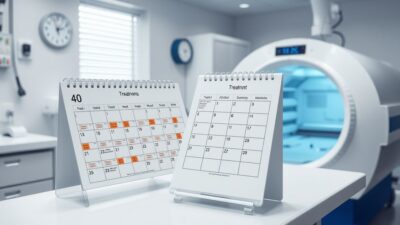
HBOT’s limitation. Cost. At $150-400 per session and 40 sessions required, the total cost ranges from $6,000 to $16,000 out of pocket. Long COVID is not an FDA-cleared indication, so insurance does not cover it. The time commitment (5 days/week for 8 weeks) is also substantial.
Who Responds Best (and Who Doesn’t)
The registry data from van Berkel et al. provides the most honest picture. Not everyone improves. Some get worse.
Factors associated with better response:
- Cognitive symptoms as the primary complaint (this domain showed the strongest improvement in both the RCT and the registry)
- Completing a full 40-session protocol (shorter courses showed weaker or null results)
- Measurable brain hypoperfusion on baseline imaging (logical, since HBOT specifically targets perfusion)
- Elevated inflammatory markers at baseline (suggesting more room for HBOT’s anti-inflammatory effect to work)
Factors associated with poorer response:
- Predominantly fatigue without cognitive symptoms (fatigue responds, but less consistently than cognition)
- Incomplete protocols (fewer than 40 sessions)
- Multiple severe comorbidities that contribute independently to cognitive impairment
- Very long disease duration (though this is not firmly established)
The 13-19% deterioration rate in the registry is important context. It means roughly one in six patients may not benefit or may feel worse. There are no reliable predictors yet for which patients will worsen. This should be discussed with a physician before starting treatment. A reasonable approach is to commit to 20 sessions initially, assess progress, and continue to 40 if improvement is evident5.
The Bottom Line
HBOT for long COVID brain fog has the strongest evidence base of any single intervention studied for this condition. Ten RCTs and eight systematic reviews support its use, with the most rigorous trial showing MRI-confirmed brain perfusion improvements alongside cognitive gains. The standard protocol is 40 sessions at 2.0 ATA with 100% oxygen, delivered over 8 weeks. Roughly 56-63% of patients achieve meaningful improvement, but 13-19% do not respond or worsen. It is not cheap, and insurance does not cover it. But for patients with disabling cognitive symptoms after COVID-19, it is the most evidence-supported option currently available.
Sources
- Zilberman-Itskovich S, Catalogna M, Sasson E, et al. “Hyperbaric oxygen therapy improves neurocognitive functions and symptoms of post-COVID condition: randomized controlled trial.” Scientific Reports, 2022;12:11252. DOI: 10.1038/s41598-022-15565-0
- Soedarsono S, Wijaya RA, Biutifasari V. “Potential Biomarkers and Inflammatory Modulation of HBOT in Long COVID.” Jurnal Respirasi, 2026. DOI: 10.20473/jr.v12-i.1.2026.90-96
- Ha Nguyen Thi Hai et al. “Behavioral and Mental Disorders in Patients after COVID-19 and Results of HBOT.” Journal of Marine Medical Society, 2026. DOI: 10.4103/jmms.jmms_59_25
- Bhaiyat A, Sasson E, Wang Z, et al. “Hyperbaric oxygen treatment for long coronavirus disease-19: a case report.” Journal of Medical Case Reports, 2022;16:80. DOI: 10.1186/s13256-022-03287-w
- van Berkel J, et al. “Hyperbaric oxygen therapy for long COVID.” Scientific Reports, 2025. DOI: 10.1038/s41598-025-11539-0
- Zamora F, Santos AC, Zamora AV, et al. “Hyperbaric Oxygen Treatment for Long-COVID syndrome: A Systematic Review of Current Evidence on Cognitive Decline.” Undersea & Hyperbaric Medicine, 2025. DOI: 10.22462/748
- Zoccali F, Fratini C, et al. “Hyperbaric Oxygen Therapy on Long COVID Symptoms: A Breath of Fresh Air.” Diseases, 2026;14(2):60. DOI: 10.3390/diseases14020060
- Hadanny A, Zilberman-Itskovich S, Catalogna M, et al. “Long term outcomes of hyperbaric oxygen therapy in post COVID condition.” Scientific Reports, 2024;14:3604. DOI: 10.1038/s41598-024-53091-3
Medical Disclaimer
The content on BaricBoost.com is for informational purposes only and is not intended as a substitute for professional medical advice, diagnosis, or treatment. Always seek the advice of your physician or other qualified health provider with any questions you may have regarding a medical condition. Never disregard professional medical advice or delay in seeking it because of something you have read on this website.

Author
Seph Fontane Pennock is the founder of BaricBoost.com and Regenerated.com, a clinic directory for regenerative medicine serving 10,000+ providers across the United States. He previously built and sold PositivePsychology.com, which grew to 19 million users and became the largest evidence-based positive psychology resource on the web. Seph brings direct experience as an HBOT patient, having completed protocols at clinics across three continents while navigating mold illness, systemic inflammation, and autoimmune conditions. His treatment journey includes hyperbaric oxygen therapy, peptide protocols, NAD+ therapy, and consultations with specialists from Dubai to Cape Town to Mexico. This combination of entrepreneurial track record and lived patient experience shapes everything published on BaricBoost.com. Every article is grounded in peer-reviewed research, informed by real clinical encounters, and written for patients making high-stakes treatment decisions. Seph's focus is on bringing transparency, scientific rigor, and practical guidance to the hyperbaric oxygen therapy space.