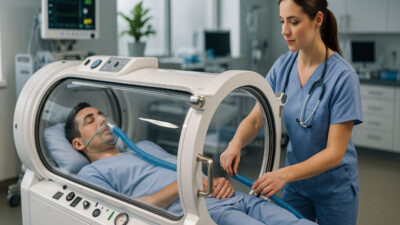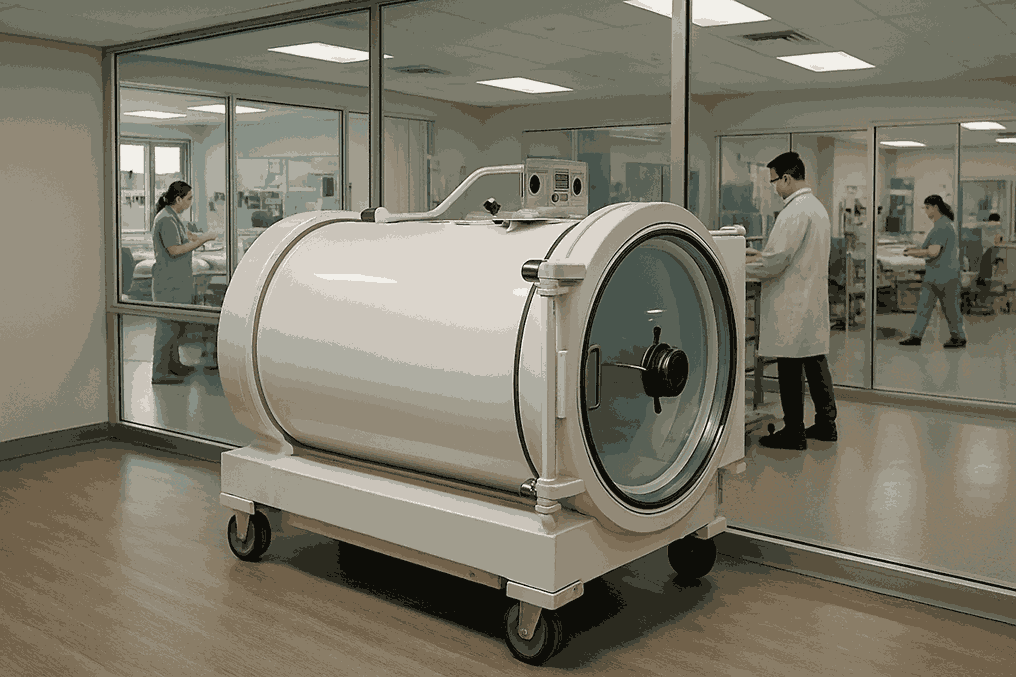
Mesa, Arizona has multiple HBOT providers ranging from hospital-based wound care centers to private wellness clinics. Session prices run $150-400 depending on the facility type and protocol. This guide profiles every HBOT provider in Mesa, compares pricing and chamber types, and covers what to know before booking your first session.
Table of Contents
Why Mesa Residents Are Turning To HBOT
In cities like Mesa, the reasons for using HBOT go far beyond a generic “health boost.” This isn’t a one-size-fits-all therapy, local context matters.
For starters, we have year-round sunshine. That’s a blessing for outdoor sports but also means more strain on the body from heat, dehydration, and UV exposure. Athletes and weekend warriors alike want ways to recover faster without losing momentum.
Mesa also has a large retiree population, active, independent, and eager to stay that way. Many use HBOT as part of recovery plans after surgeries, fractures, or other injuries that can limit mobility.
And then there’s the sports culture, triathlons, half marathons, mountain biking, you name it. Talk to any local sports therapist, and they’ll tell you: the demand for faster, safer recovery methods is high.
30-35
HBOT sessions is the typical course length for wound healing and radiation injury, each lasting 90 minutes at 2.0 to 2.4 ATA
UHMS Clinical Guidelines, 2020
HBOT fills that need by giving tissues more oxygen than normal, supporting healing at the cellular level.
Conditions And Goals Mesa Clinics Commonly Treat
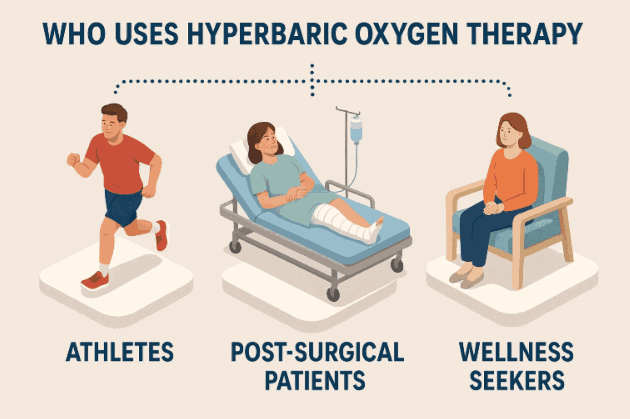
The range of reasons people try HBOT in Mesa is surprisingly wide. In most cases, it falls into one of these categories:
- Sports recovery – Reducing inflammation, shortening muscle repair time, and bouncing back after long-distance races or heavy training blocks.
- Post-surgical healing – Supporting tissue repair after orthopedic surgeries or cosmetic procedures.
- Chronic wound care – Especially in diabetic patients where slow healing is a challenge.
- Radiation recovery – Helping repair tissue damage after cancer treatments.
- Wellness and energy – Some Mesa residents book sessions for general vitality, improved sleep, or mental clarity.
It’s worth noting that while many of these uses are supported by research, only certain conditions, like radiation injury or diabetic ulcers, are FDA-approved for insurance-covered HBOT. The rest typically fall under “wellness” or “performance” care, which is self-pay. (Lisa Catanese, 2024)
What A Session Looks Like In Mesa
One thing you notice when you walk into an HBOT Mesa clinic is how the experience can differ from other cities. Local providers know the challenges of our climate, and it shows in the way they structure treatments.
A typical session might go like this:
- Pre-check – Staff review your hydration status and health notes. In summer, clinics often encourage clients to drink extra water before arriving.
- Chamber prep – You change into cotton clothing, which is cooler and safe for oxygen use.
- Pressurization – The chamber is brought up to the prescribed ATA (atmospheres absolute). For many, this is where ear equalization techniques come in handy. (If you’re curious about why ATA matters so much, 5 Reasons why atmospheric pressure matters in oxygen therapy explains it in detail.)
- Oxygen time – You relax, breathe oxygen, and let the therapy work. Many people read, nap, or listen to music.
- Decompression – Pressure is slowly released before you step out feeling, in many cases, refreshed.
During the hot months, Mesa clinics take extra steps to keep chambers cool and comfortable, making the experience easier for those sensitive to heat.
Local Expertise Makes A Difference
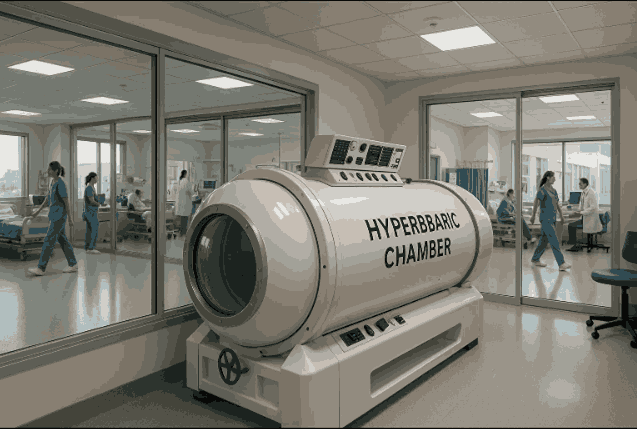
One of the reasons the hyperbaric chamber Mesa AZ clinics stand out is the people running them.
Many HBOT technicians here have backgrounds in sports medicine, wound care, or respiratory therapy. They understand both the science and the specific recovery challenges Mesa residents face.
Because Mesa is smaller than Phoenix, some clinics are more community-oriented. Patients often work with the same technician over multiple sessions, which means treatment can be fine-tuned over time. That level of continuity isn’t just comforting, it often means better results.
Tracking Recovery: The Local Approach
Mesa providers don’t just send you into a chamber and hope for the best. Most track outcomes using:
- Baseline and follow-up wound photos for medical cases.
- Pain or mobility scores before and after sessions.
- Sports performance logs for athletes.
- Patient journals to track energy, sleep, and mood changes.
This tracking helps separate “I think I feel better” from measurable improvements. It also gives technicians data to adjust ATA levels, session length, or frequency.
Local Wellness HBOT Vs Medical HBOT Mesa
| Feature | Wellness HBOT (Mesa Clinics) | Medical HBOT (Hospital or Specialty Centers) |
| Purpose | General recovery, athletic performance, energy, sleep, and inflammation support. | Treatment for FDA-approved conditions like radiation injury, diabetic ulcers, or severe infections. |
| Cost | $80–$130 per session; package discounts available. | Often covered by insurance for approved conditions; otherwise can be $250–$500 per session. |
| Session Frequency | Flexible. Often 1–3 times per week depending on goals. | Typically daily or near-daily for a set treatment course (20–40 sessions). |
| Location | Private wellness clinics or recovery centers. | Hospital-based facilities or accredited medical centers. |
| Supervision | Trained HBOT technicians, sometimes overseen by wellness or sports medicine professionals. | Direct medical supervision by physicians specialized in hyperbaric medicine. |
| Atmosphere | Relaxed, comfortable, sometimes spa-like; shorter wait times. | More clinical environment, hospital protocols, and stricter scheduling. |
Costs And Access In Mesa
Here’s the reality: if you’re using HBOT for general wellness or sports recovery, it’s almost always an out-of-pocket expense.
In Mesa, wellness-focused sessions usually run $80–$130 per session, depending on chamber type and session length. Package deals can bring the per-session cost down significantly.
For medical uses that are FDA-approved, insurance may cover hospital-based HBOT, but those are typically reserved for very specific conditions.
Some Mesa residents are now exploring at-home HBOT setups, either renting or buying chambers. If that’s on your radar, the Hyperbaric Chamber Rental Guide is worth a read, it breaks down the safety, space, and cost factors to think through first.
Fitting HBOT Into A Mesa Lifestyle
HBOT works best when it’s part of a bigger recovery or wellness plan. In Mesa, that might mean:
- Pairing sessions with physical therapy or sports massage.
- Scheduling HBOT in the morning before the day heats up.
- Hydrating well before and after, especially in summer.
- Use it during peak training cycles or post-event recovery windows.
Many locals treat HBOT sessions as a form of active rest, an hour or so where they can step away from work, training, or errands and let their body recharge.
Keeping Expectations Real
While HBOT can offer significant benefits, it’s not a miracle cure. Results vary based on the condition being treated, overall health, and consistency.
For sports recovery or wellness, some people notice small improvements after just a few sessions, better sleep, reduced muscle soreness, and faster wound closure.
For medical cases, it often takes 20–40 sessions to see major results.
What Mesa providers do well is keep expectations realistic. They’ll tell you what HBOT can do, but they won’t oversell it as a replacement for other proven treatments. (Lisa Catanese, 2024)
Frequently Asked Questions
Can I do HBOT right after a long run in the heat?
You can, but most clinics recommend cooling down and hydrating first.
Is the hyperbaric chamber Mesa AZ clinics use safe for older adults?
Yes, with proper screening, in fact, many retirees use HBOT for recovery.
Do Mesa clinics get busier at certain times of year?
Yes. Post-race season (fall and spring) tends to be the busiest.
Can I rent an HBOT chamber in Mesa?
Yes, but ensure you have proper training and follow safety guidelines.
Final Thoughts
The hbot mesa trend isn’t hype without substance, it’s rooted in a mix of local expertise, community-driven care, and the needs of a highly active population.
Whether you’re recovering from surgery, pushing athletic limits, or just trying to keep up with Mesa’s pace, HBOT can be a valuable tool in your recovery plan.
With the right clinic, realistic expectations, and a commitment to consistency, the hyperbaric chamber Mesa AZ clinics offer can help you bounce back faster, and get you back to the life you love.
Hard-sided hyperbaric chambers can reach 3.0 ATA or higher, making them suitable for all FDA-cleared indications including emergency decompression sickness treatment.
UHMS, 2020
References
- Lisa Catanese, E. (2024, December 9). Hyperbaric oxygen therapy: Evidence-based uses and unproven claims. Harvard Health. Harvard Health Publishing
- Hyperbaric oxygen therapy. Johns Hopkins Medicine. (2024, November 25). Johns Hopkins Medicine
References
- Thom SR. (2011). Hyperbaric oxygen: its mechanisms and efficacy. Plast Reconstr Surg, 127(Suppl 1):131S-141S. doi:10.1097/PRS.0b013e3181fbe2bf
- UHMS. (2020). Hyperbaric Oxygen Therapy Indications. Undersea and Hyperbaric Medical Society. Link
- Kranke P, et al. (2015). Hyperbaric oxygen therapy for chronic wounds. Cochrane Database Syst Rev, (6):CD004123. doi:10.1002/14651858.CD004123.pub4
Medical Disclaimer
The content on BaricBoost.com is for informational purposes only and is not intended as a substitute for professional medical advice, diagnosis, or treatment. Always seek the advice of your physician or other qualified health provider with any questions you may have regarding a medical condition. Never disregard professional medical advice or delay in seeking it because of something you have read on this website.

Author
Seph Fontane Pennock is the founder of BaricBoost.com and Regenerated.com, a clinic directory for regenerative medicine serving 10,000+ providers across the United States. He previously built and sold PositivePsychology.com, which grew to 19 million users and became the largest evidence-based positive psychology resource on the web. Seph brings direct experience as an HBOT patient, having completed protocols at clinics across three continents while navigating mold illness, systemic inflammation, and autoimmune conditions. His treatment journey includes hyperbaric oxygen therapy, peptide protocols, NAD+ therapy, and consultations with specialists from Dubai to Cape Town to Mexico. This combination of entrepreneurial track record and lived patient experience shapes everything published on BaricBoost.com. Every article is grounded in peer-reviewed research, informed by real clinical encounters, and written for patients making high-stakes treatment decisions. Seph's focus is on bringing transparency, scientific rigor, and practical guidance to the hyperbaric oxygen therapy space.