According to the Undersea and Hyperbaric Medical Society, HBOT is recognized for 14 FDA-cleared medical indications, with over 1.5 million treatments administered annually in the United States.
Undersea and Hyperbaric Medical Society (UHMS)
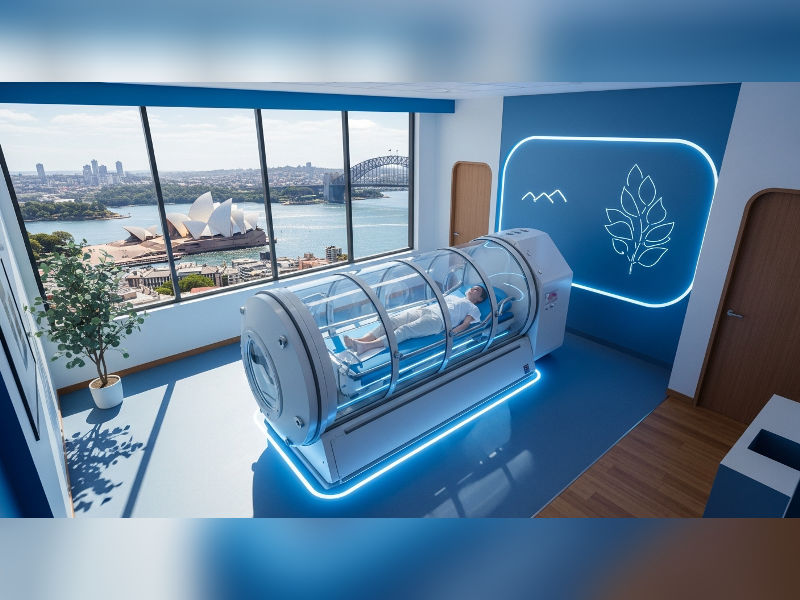
Australia has one of the most developed hyperbaric oxygen therapy networks in the world, with clinical programs in every major city and an expanding private wellness sector. This guide covers how the Australian system works, where facilities are located, what sessions involve, what you pay, and how to choose a provider.
Why Australia Has Strong Hyperbaric Infrastructure
Australia’s hyperbaric medicine developed from a combination of practical necessity and research investment. The country’s diving industry, military presence, and isolated coastal communities created early demand for decompression chambers. These evolved into multipurpose clinical facilities capable of treating the full range of HBOT indications.
Australian institutions have contributed meaningfully to hyperbaric medicine research, particularly in wound care outcomes and diving medicine. Melbourne and Brisbane facilities have published studies that influenced international treatment protocols. The combination of strong clinical research and practical operational experience has made Australia a leader in HBOT access outside the United States.
Clinical Programs at Australian Hospitals
| City | Facility | Specializations |
|---|---|---|
| Sydney | Prince of Wales Hospital | Wound care, radiation injury, decompression illness |
| Melbourne | Alfred Hospital | Diving injuries, infections, burns |
| Brisbane | Royal Brisbane Hospital | Diabetic ulcers, necrotizing infections |
| Perth | Fiona Stanley Hospital | Bone infections, compromised grafts |
| Townsville | Townsville Hospital | Regional diving medicine, wounds |
| Cairns | Cairns Hospital | Diving accidents, tropical wound care |
Sydney’s Prince of Wales Hospital operates one of the longest-established hyperbaric programs in Australia, treating thousands of patients since the 1970s. Melbourne’s Alfred Hospital runs the country’s busiest hyperbaric unit, managing a wide case mix from decompression accidents to complex surgical complications. Regional centers in Townsville and Cairns serve remote populations and reduce travel requirements for patients in North Queensland.
Medicare Coverage for HBOT in Australia
Medicare covers HBOT for specific medical conditions when performed in a comprehensive hyperbaric medicine facility. The facility must operate 24 hours, provide treatment at 2.8 ATA or above, and offer mechanical ventilation and cardiovascular monitoring capability.
Medicare-covered indications include:
- Localized soft tissue radiation injuries
- Necrotizing soft tissue infections (including necrotizing fasciitis)
- Carbon monoxide poisoning
- Decompression sickness
- Air or gas embolism
- Compromised skin grafts and flaps
Off-label and wellness use is not Medicare-rebatable regardless of where it is performed. Private health insurance coverage for HBOT varies by policy and insurer; check your specific extras coverage before committing to a treatment course.
Private Wellness Clinics
A separate, growing sector of private HBOT clinics has expanded across Australian capital cities and some regional centers. These typically operate soft-shell chambers at 1.3–1.5 ATA, outside the Medicare framework, for wellness and off-label applications.
These clinics are generally not TGA-registered as medical facilities and operate outside the clinical oversight structure of hospital programs. They serve patients seeking HBOT for sports recovery, general wellness, fatigue, and similar off-label applications. Per-session costs typically range from AUD $100–$250 for soft-chamber wellness sessions, compared to hospital program costs for covered indications.
What to Expect During an HBOT Session in Australia
The session experience is consistent across Australian clinical programs and most private clinics. You arrive 15–20 minutes early for intake, change into 100% cotton clothing (no synthetics, no electronics, no deodorant or petroleum-based products), and receive a briefing on ear pressure equalization techniques.
During compression (10–15 minutes), you will feel ear pressure similar to airplane descent. Techniques: yawning, swallowing, or the Valsalva maneuver (pinch nose and blow gently). Alert staff immediately if you cannot equalize. The treatment phase at pressure typically lasts 60–90 minutes. Decompression follows over another 10–15 minutes.
The most common side effect is ear pressure or discomfort, affecting approximately 9–15% of patients across large studies. The vast majority of cases are mild and self-resolving.[2] Most patients report relaxation, increased energy, or reduced pain following sessions. No recovery time is needed; you can resume normal activities immediately.
Choosing the Right Facility in Australia
For clinical indications with Medicare coverage: choose a hospital-based comprehensive hyperbaric medicine facility. Confirm the facility operates at 2.8 ATA with full medical supervision and emergency capability.
For off-label and wellness applications: look for facilities with experienced staff who understand HBOT contraindications, can conduct proper intake assessments, and operate chambers with appropriate safety protocols. Ask whether the staff hold CHT (Certified Hyperbaric Technologist) or Australian equivalent certification.
Red flags regardless of setting: facilities that do not screen patients for contraindications, allow electronics or cosmetic products in chambers, or cannot explain their safety protocols clearly.
Frequently Asked Questions
Is HBOT widely available in Australia?
Yes. Australia has hospital-based clinical programs in all major capital cities and several regional centers. Private wellness clinics have expanded significantly in the past five years, increasing access in suburban areas. Rural access remains limited except for emergencies.
How much does HBOT cost in Australia without Medicare?
Private clinical sessions at hospital programs typically cost AUD $300–$600 per session without Medicare coverage. Wellness clinic sessions at lower pressures run AUD $100–$250. Treatment courses of 20–40 sessions represent a significant cost for privately funded patients.
Can Australians do HBOT at home?
Yes. Home chambers are available in Australia as wellness equipment, primarily soft-shell models at 1.3–1.5 ATA. These operate at pressures significantly below what Australian hospital programs use (2.8+ ATA) and are not equivalent to clinical HBOT for medical indications. See our guide to buying a hyperbaric chamber in Australia for current options and pricing.
References
- Macinnes L, Baines C, Bishop A, Ford K. Patient knowledge and experience of hyperbaric oxygen treatment. Diving and Hyperbaric Medicine. 2021;51(1):72-77. DOI: 10.28920/dhm51.1.72-77. PMID: 33761544
- Voigt A, Laspro M, Thys E, Jethanamest D, Chiu ES. Systematic Review of Otologic Adverse Events in Hyperbaric Oxygen Therapy. Undersea & Hyperbaric Medicine. 2025. DOI: 10.22462/736. PMID: 41429031
- Medicare Benefits Schedule. Hyperbaric Oxygen Therapy Item Numbers. mbsonline.gov.au
- Therapeutic Goods Administration. tga.gov.au
Medical Disclaimer
The content on BaricBoost.com is for informational purposes only and is not intended as a substitute for professional medical advice, diagnosis, or treatment. Always seek the advice of your physician or other qualified health provider with any questions you may have regarding a medical condition. Never disregard professional medical advice or delay in seeking it because of something you have read on this website.

Author
Seph Fontane Pennock is the founder of BaricBoost.com and Regenerated.com, a clinic directory for regenerative medicine serving 10,000+ providers across the United States. He previously built and sold PositivePsychology.com, which grew to 19 million users and became the largest evidence-based positive psychology resource on the web. Seph brings direct experience as an HBOT patient, having completed protocols at clinics across three continents while navigating mold illness, systemic inflammation, and autoimmune conditions. His treatment journey includes hyperbaric oxygen therapy, peptide protocols, NAD+ therapy, and consultations with specialists from Dubai to Cape Town to Mexico. This combination of entrepreneurial track record and lived patient experience shapes everything published on BaricBoost.com. Every article is grounded in peer-reviewed research, informed by real clinical encounters, and written for patients making high-stakes treatment decisions. Seph's focus is on bringing transparency, scientific rigor, and practical guidance to the hyperbaric oxygen therapy space.