Affiliate Disclosure
This article contains affiliate links. If you purchase through these links, we may earn a commission at no additional cost to you. This does not influence our evaluations or rankings.
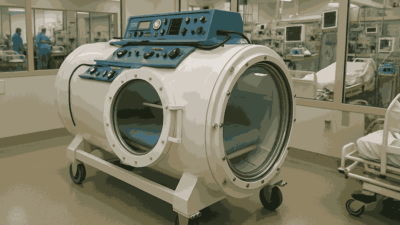
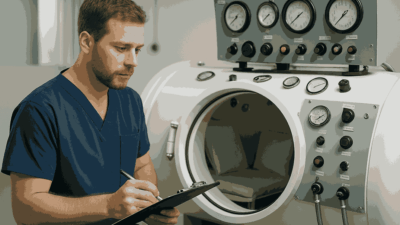
A recompression chamber is a pressure vessel that treats decompression sickness (DCS) and arterial gas embolism by re-pressurizing a patient to dissolve trapped nitrogen or helium bubbles. The standard U.S. Navy Treatment Table 6 protocol takes the patient to 2.8 ATA (60 feet of seawater equivalent), then steps pressure down over roughly 4 hours and 45 minutes while the patient breathes 100% oxygen.
But when we talk about a hyperbaric recompression chamber, we’re diving deeper into a niche that’s got specific applications, especially for divers, athletes, and those recovering from significant injuries.
If you’re wondering how this chamber works and why it’s so effective for certain conditions, you’ve come to the right place.
Recompression therapy works by physically compressing nitrogen bubbles back into solution, then allowing gradual controlled off-gassing at safe rates during a structured decompression profile.
UHMS Treatment Table 6
Table of Contents
The Role Of The Hyperbaric Recompression Chamber In Healing
| Aspect | Details |
| Healing Mechanism | The high-pressure environment forces oxygen to dissolve more efficiently into the bloodstream, promoting faster tissue repair and oxygenation. |
| Treatment of Decompression Sickness | The chamber helps safely remove nitrogen bubbles from the blood caused by rapid ascent during diving, reducing the risk of severe injuries. |
| Wound Healing | By increasing oxygen delivery, the recompression chamber accelerates the healing of chronic and non-healing wounds, such as diabetic ulcers and surgical wounds. |
| Infection Control | Higher oxygen levels boost the immune system, improving the body’s ability to fight infections, especially in tissues with low oxygen supply. |
| Tissue Regeneration | The recompression chamber supports tissue regeneration by providing the body with more oxygen, which helps in collagen production and cell repair. |
| Reduced Inflammation | The therapy reduces inflammation by increasing the blood flow to affected areas, providing relief from chronic pain and improving recovery. |
We’ve all heard about the power of oxygen for healing.
But when you enter a hyperbaric recompression chamber, the level of oxygen your body absorbs is cranked up significantly.
Inside, pressure is much higher than what you’d experience at sea level. This pressurized environment forces your body to absorb more oxygen, which promotes tissue repair and accelerates recovery processes.
If you’re unfamiliar with the science, don’t worry, it’s simpler than it sounds. The chamber works by increasing the pressure around you, which helps oxygen dissolve more easily into your blood.
The result? Faster healing, better oxygenation, and stronger tissue repair. Whether you’re dealing with a wound that won’t heal, a sports injury, or decompression sickness, this process can make a huge difference in your recovery.
Why Is Pressure So Important In The Hyperbaric Recompression Chamber?
The key factor that sets the hyperbaric recompression chamber apart from regular HBOT is pressure.
285 min
total duration of UHMS Treatment Table 6, the standard protocol for serious decompression sickness, conducted at 2.8 ATA in a hard-sided chamber
UHMS, 2020
In this chamber, you’re exposed to pressures several times greater than normal atmospheric pressure. You might wonder why this matters so much. Here’s the deal: when pressure is increased, oxygen molecules can travel more effectively into the blood, tissues, and even your bones.
Think of it like this: at sea level, oxygen in your lungs doesn’t have as much room to be absorbed into your bloodstream.
But when you’re in the chamber, the pressure forces the oxygen to dissolve more easily, helping to heal damaged tissues faster.
For those with chronic wounds or injuries, this is a significant advancement. As pressure increases, the body can also expel harmful nitrogen bubbles that might form after diving, helping to treat decompression sickness effectively.
But here’s the catch: it’s not just about the pressure. The combination of oxygen and pressure works in synergy to treat a range of conditions.
From improving circulation to promoting faster cell regeneration, the hyperbaric recompression chamber can be a tool for real recovery.
Who Can Benefit From The Hyperbaric Recompression Chamber?

It’s tempting to think that this chamber is reserved for a specific group, but many people can benefit from hyperbaric recompression chamber therapy.
Sure, divers are its most obvious users, this chamber is the go-to treatment for decompression sickness. But it doesn’t stop there.
1. Athletes Looking To Recover Faster – If you’re an athlete, whether you’re into running, football, or even something like CrossFit, you’ve probably heard about hyperbaric therapy in one form or another. After intense exercise or injury, your body’s tissues can take a hit.
The hyperbaric recompression chamber can speed up recovery by delivering oxygen to those tissues, reducing inflammation, and improving blood flow. This helps with faster recovery and fewer long-term injuries.
2. People with Chronic Conditions Or Wounds – Chronic health conditions like diabetes or poor circulation often lead to wounds that simply won’t heal.
But in a hyperbaric recompression chamber, increased oxygen levels help stimulate the healing process. In fact, oxygen therapy is commonly used to treat non-healing diabetic ulcers and other persistent wounds.
The oxygen-rich environment accelerates tissue regeneration and helps your body fight off infections more effectively.
3. Post-Surgery Patients – Post-surgery recovery can be long and painful. But there’s good news: HBOT in a hyperbaric recompression chamber can help patients recover from surgery faster.
It not only aids in healing but also reduces swelling and pain. So, whether it’s a minor procedure or something more significant, using a chamber can help you bounce back quicker and with less discomfort.
The Incredible Benefits Of Hyperbaric Recompression Chambers

If you’re still wondering whether the hyperbaric recompression chamber is worth the hype, here’s a quick rundown of the many benefits it offers.
Decompression Sickness Treatment
This is the primary use of the hyperbaric recompression chamber. For divers, decompression sickness can be a serious issue after spending long hours deep underwater.
The sudden change in pressure as they surface can cause nitrogen bubbles to form in the bloodstream, leading to joint pain, dizziness, and even paralysis. A session in the recompression chamber can force those bubbles to safely dissolve, reducing the risk of long-term damage.
Promoting Faster Wound Healing
As mentioned earlier, increasing the oxygen supply to the body helps with tissue repair. If you’ve ever had a stubborn wound that just wouldn’t heal, you know how frustrating it can be.
With the hyperbaric recompression chamber, oxygen is delivered directly to the tissues in need, promoting faster healing and reducing the risk of infection.
It’s often used in treating chronic wounds, like diabetic ulcers, burns, and radiation injuries.
Fighting Infections
In addition to speeding up tissue regeneration, the increased oxygen also boosts the body’s immune response.
Oxygen helps your white blood cells perform their job better, increasing your body’s ability to fight off infections.
For people dealing with severe infections, the hyperbaric recompression chamber can make a significant difference in how quickly the body recovers.
Anti-Aging and Skin Rejuvenation
If you’re more focused on wellness than wound healing, you might be surprised to hear that the hyperbaric recompression chamber also plays a role in cosmetic treatments.
Increased oxygen levels encourage collagen production, improving skin elasticity, reducing wrinkles, and promoting a youthful glow.
For people looking for a natural way to boost their skin’s appearance, it’s an attractive option.
Can The Hyperbaric Recompression Chamber Be Dangerous?
While the benefits are clear, it’s important to note that any therapy involving increased pressure and oxygen does come with risks.
But don’t worry, the hyperbaric recompression chamber is designed with numerous safety features to keep you safe throughout your session. (Hyperbaric Oxygen Therapy)
Barotrauma: This is a condition where the difference in pressure causes pain, particularly in the ears. Thankfully, most chambers are equipped with pressure-regulating systems that help prevent this.
Oxygen Toxicity: Prolonged exposure to high levels of oxygen can lead to toxicity, but this is very rare and usually only happens with improper treatment or exposure.
That said, the hyperbaric recompression chamber is widely regarded as safe when administered under the supervision of trained professionals.
Always ensure that you are treated by certified personnel in a properly regulated facility.
Accessing Hyperbaric Recompression Chamber Therapy
If you’re interested in exploring the hyperbaric recompression chamber for your own health needs, the first step is finding a qualified clinic.
Look for a facility with certified staff and modern equipment, as this ensures that you’ll receive safe and effective care. In some cases, treatment is covered by insurance, especially when used for medical conditions like decompression sickness or chronic wounds. (professional, Hyperbaric oxygen therapy: What it is & benefits, side effects 2025)
For those of you who are exploring hyperbaric chamber rental options, there are resources available to help you set up your treatments at home. But be cautious; home setups usually don’t have the same advanced safety features as a professionally managed facility.
Want to know more about why atmospheric pressure is so crucial in oxygen therapy? Check out this guide on why atmospheric pressure matters in oxygen therapy to get a deeper understanding of how pressure affects healing.
Wrapping Up
The hyperbaric recompression chamber is a powerful tool in the healing process, offering a range of benefits from treating decompression sickness to accelerating recovery after surgery.
Whether you’re recovering from an injury, managing a chronic condition, or simply looking to improve your overall well-being, it’s clear that this therapy can make a real difference.
So, if you’re wondering whether you might benefit from a hyperbaric recompression chamber, consider your needs, whether it’s healing a stubborn wound, speeding up recovery after exercise, or managing a more complex condition.
The chamber could be just the tool you need to get back to feeling like yourself.
To explore how you can access hyperbaric therapy or learn more about chamber rentals, check out our Hyperbaric Chamber Rental Guide. You never know, this might be the next big step in your health journey.
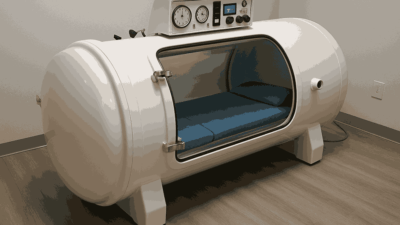
Hard-sided monoplace and multiplace recompression chambers differ significantly from soft consumer chambers, which cannot reach the 2.8 ATA pressures needed for decompression emergency treatment.
UHMS Chamber Standards
References
- Clinic, M. (2024, December 6). Hyperbaric oxygen therapy. Mayo Clinic. Mayo Clinic: Hyperbaric Oxygen Therapy
- Professional, C. C. medical. (2025, June 30). Hyperbaric oxygen therapy: What it is & benefits, side effects. Cleveland Clinic. Cleveland Clinic
References
- UHMS. (2020). Hyperbaric Oxygen Therapy Indications, 14th Edition. Undersea and Hyperbaric Medical Society. Link
- Moon RE. (2019). Hyperbaric oxygen treatment for decompression sickness. Undersea Hyperb Med, 46(5):597-606. doi:10.22462/09.01.2019.1
- Vann RD, et al. (2011). Decompression illness. Lancet, 377(9760):153-164. doi:10.1016/S0140-6736(10)61085-9
Medical Disclaimer
The content on BaricBoost.com is for informational purposes only and is not intended as a substitute for professional medical advice, diagnosis, or treatment. Always seek the advice of your physician or other qualified health provider with any questions you may have regarding a medical condition. Never disregard professional medical advice or delay in seeking it because of something you have read on this website.

Author
Seph Fontane Pennock is the founder of BaricBoost.com and Regenerated.com, a clinic directory for regenerative medicine serving 10,000+ providers across the United States. He previously built and sold PositivePsychology.com, which grew to 19 million users and became the largest evidence-based positive psychology resource on the web. Seph brings direct experience as an HBOT patient, having completed protocols at clinics across three continents while navigating mold illness, systemic inflammation, and autoimmune conditions. His treatment journey includes hyperbaric oxygen therapy, peptide protocols, NAD+ therapy, and consultations with specialists from Dubai to Cape Town to Mexico. This combination of entrepreneurial track record and lived patient experience shapes everything published on BaricBoost.com. Every article is grounded in peer-reviewed research, informed by real clinical encounters, and written for patients making high-stakes treatment decisions. Seph's focus is on bringing transparency, scientific rigor, and practical guidance to the hyperbaric oxygen therapy space.
Why Trust Our Evaluations
Our rankings are based on hands-on testing, published clinical data, and verified manufacturer specifications. We apply the same criteria to every product regardless of affiliate status. Editorial Process · Evaluation Methodology