Setting up ozone therapy at home requires the right equipment, and the wrong choices can produce contaminated gas, inaccurate concentrations, or outright dangerous situations.
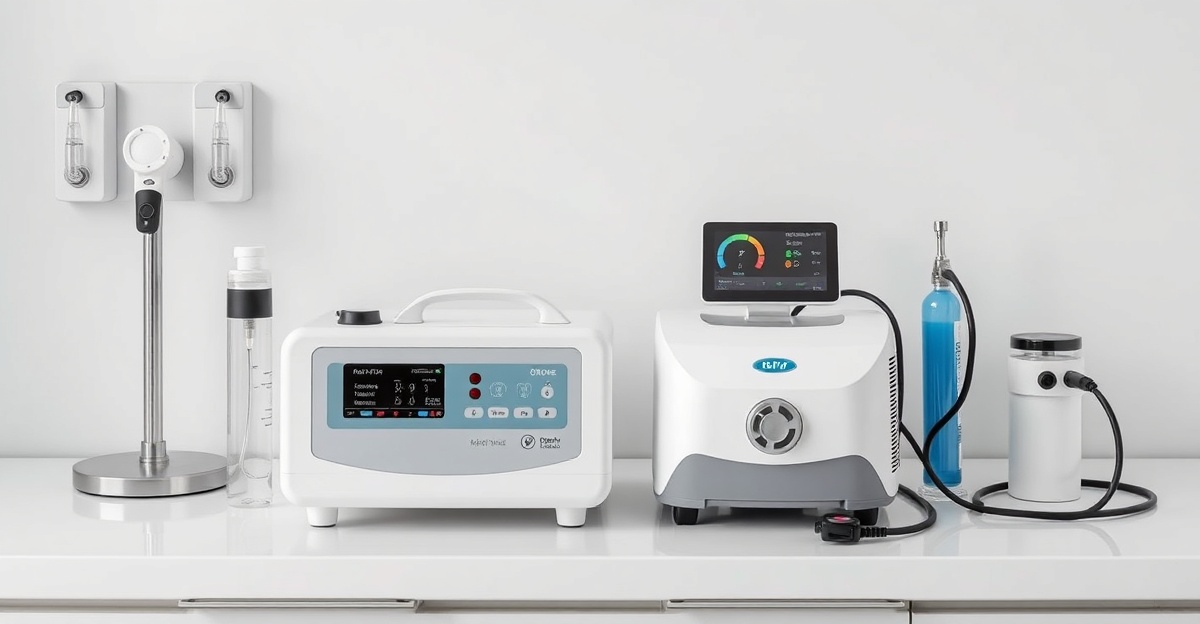
A functional home ozone setup has five core components: an ozone generator, an oxygen source, a regulator, delivery accessories (tubing, insufflation kits, syringes), and an ozone destructor. The total cost ranges from $600 for a basic insufflation setup to $3,000+ for a clinic-grade system capable of major autohemotherapy (MAH).
This guide covers every component, what to look for, what to avoid, and realistic pricing for a complete home setup.
Key Takeaways
- Medical-grade ozone generators use cold corona discharge with quartz or borosilicate glass tubes and cost $500-2,500
- Oxygen source matters: medical-grade oxygen tanks (99.5%+ purity) are ideal; concentrators (90-95% purity) work for some but not all applications
- All tubing and fittings must be ozone-resistant (silicone, PTFE, or Kynar) since ozone destroys latex, rubber, and most plastics
- An ozone destructor is essential for safety as it converts excess ozone to oxygen before it enters the room
- Total setup cost: $600-1,200 for basic insufflation, $1,500-3,000+ for a full MAH-capable system
Ozone Generators: The Core Unit
The ozone generator converts medical-grade oxygen (O2) into ozone (O3) by passing it through a high-voltage electrical field. This is called corona discharge. The generator is the most important purchase, and quality varies dramatically between manufacturers.
Types of Ozone Generators
There are three main categories of ozone generators for therapeutic use:1
| Type | How Concentration Is Set | Accuracy | Price Range |
|---|---|---|---|
| Flow-controlled | Adjusting oxygen flow rate | Moderate | $300-600 |
| Flow + dial | Flow rate + concentration dial | Good | $600-1,200 |
| Digital | Digital display with precise gamma readout | High | $1,200-2,500 |
Flow-controlled generators are the entry level. You set the ozone concentration by adjusting how fast oxygen flows through the unit. Slower flow means higher concentration. This is adequate for basic insufflation and ozonating water or oil, but you are estimating the gamma (mcg/mL) based on a chart rather than reading it directly.
Digital generators display the exact ozone concentration on screen and allow precise adjustments. For applications where accuracy matters, like rectal insufflation or limb bagging at specific therapeutic ranges, a digital unit is worth the investment.
What Makes a Generator Medical-Grade
According to the International Scientific Committee of Ozone Therapy (ISCO3), a medical-grade ozone generator must meet these criteria:2
- Uses cold corona discharge (not UV or electrolytic methods)
- Produces ozone from at least 99.5% pure oxygen feed gas
- All internal components are ozone-resistant (quartz glass tube, titanium or stainless steel electrodes)
- Output falls within therapeutic concentrations of 5-80 gamma (mcg/mL)
- Produces only ozone and oxygen, with no nitrogen oxides or other contaminants
UV ozone generators and units designed for air purification or water treatment are not suitable for therapeutic use. They produce imprecise concentrations and may generate harmful byproducts.
Oxygen Sources
Ozone generators need a feed gas of high-purity oxygen to produce clean, therapeutic ozone. There are two main options: oxygen tanks and oxygen concentrators.
Oxygen Tanks
Medical-grade oxygen tanks deliver 99.5-99.9% pure oxygen. This is the gold standard for ozone therapy. Tanks come in various sizes, from small portable cylinders (size M6, lasting about 1-2 hours of use) to large standing tanks (size M, lasting 20+ hours).
You will also need a regulator that attaches to the tank and controls the flow rate, typically set between 1/8 and 1/2 LPM (liters per minute) for ozone therapy. A pediatric regulator with low-flow settings is often recommended because standard medical regulators start at 1 LPM, which is too fast for many ozone applications.
Tank refills cost $15-40 depending on size and location. Many welding supply shops will refill medical oxygen tanks, or you can arrange delivery through a medical gas supplier.
Oxygen Concentrators
Oxygen concentrators pull air from the room and filter out nitrogen, producing oxygen at 90-95% purity. They are cheaper to operate long-term (no refills) and more convenient. However, the lower purity means the ozone output will contain some nitrogen, which at high concentrations could produce small amounts of nitrogen oxides.
For insufflation, limb bagging, and ozonating water, most practitioners consider concentrators acceptable. For MAH (where ozone-treated blood is reinfused), oxygen tanks are strongly recommended because purity matters more.1
A suitable concentrator costs $200-500 and should produce at least 5 LPM at 90%+ purity. Some are specifically marketed for ozone therapy use and include low-flow adapters.
Delivery Accessories
Silicone Tubing
Every inch of tubing that contacts ozone must be ozone-resistant. Standard medical tubing (PVC, latex, rubber) will degrade within minutes of ozone exposure, releasing particles and toxic compounds into the gas stream. Use only:
- Silicone tubing (most common for home use, rated for ozone)
- PTFE (Teflon) tubing (more durable, used in some clinical setups)
- Kynar (PVDF) tubing (highest chemical resistance)
Silicone tubing is the standard for home setups. It is flexible, affordable ($10-20 for a length), and widely available from ozone therapy suppliers. Replace it every 3-6 months with regular use, as it will eventually harden and crack.
Insufflation Kits
Insufflation kits are used for rectal, vaginal, and ear ozone delivery. A typical kit includes silicone tubing, a catheter or stethoscope adapter, and a flow control valve. Kits cost $20-60 depending on the application. Understanding how these delivery methods work ties into the broader picture of how ozone therapy is administered across different protocols.
Syringe Kits for MAH
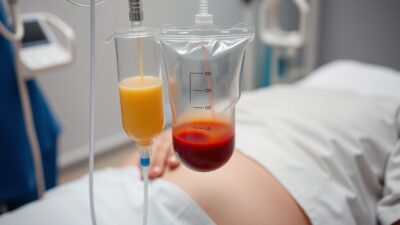
Major autohemotherapy requires specialized equipment: ozone-resistant syringes (typically 60 mL), butterfly needles, a blood collection bag or vacuum flask, and IV supplies. This is the most complex home ozone procedure and carries the most risk (infection, air embolism, incorrect blood handling).
MAH syringe kits cost $30-80 per session in disposables. Many ozone therapy practitioners advise against performing MAH at home without clinical training. If you are considering it, get hands-on instruction from an experienced ozone practitioner first.
Ozone Destructors
An ozone destructor is a small canister filled with activated carbon or manganese dioxide that converts ozone back to oxygen. It attaches to the exhaust of your delivery system and prevents ozone gas from accumulating in the room.
This is not optional. Ozone above 0.1 ppm in ambient air irritates the lungs and can cause respiratory symptoms. The EPA ambient air quality standard for ozone is 0.070 ppm over 8 hours.3 A destructor costs $15-40 and should be replaced every 6-12 months.
“The resulting gas must be in therapeutic concentrations between 5-80 gamma, with nothing other than oxygen and ozone gas.”
ISCO3 Guidelines for Ozone Generators
Complete Setup Cost Table
| Component | Budget Option | Mid-Range | Clinic-Grade |
|---|---|---|---|
| Ozone generator | $300-500 | $800-1,200 | $1,500-2,500 |
| Oxygen source | Concentrator: $200-400 | Small tank + regulator: $150-300 | Large tank + low-flow regulator: $200-400 |
| Tubing + fittings | $20-40 | $30-60 | $50-100 |
| Insufflation kit | $20-40 | $30-60 | $40-80 |
| Ozone destructor | $15-25 | $25-40 | $30-50 |
| MAH syringe kit | N/A | N/A | $30-80/session |
| Total | $555-1,005 | $1,035-1,660 | $1,850-3,210 |
Where to Buy
The ozone therapy equipment market is niche. A few established suppliers serve the home user market:
- Promolife (promolife.com): Wide selection of generators, accessories, and starter kits. US-based. Good customer support and educational resources.
- Longevity Resources (longevityresources.com): Canadian manufacturer of ozone generators. Known for the EXT series.
- Simply O3 (simplyo3.com): Budget-friendly generators and accessories. Popular with home users.
- Medozons (medozons.com): Medical-grade units from Russia. Higher price point, clinical quality.
Avoid Amazon generics and AliExpress ozone machines marketed as “air purifiers” or “water purifiers.” These are not designed for therapeutic use and lack the precision and material quality needed for safe ozone therapy.
Quality and Safety Considerations
Before your first session, verify the following:
- Material check: Confirm every component that touches ozone is rated for ozone contact. One rubber gasket or PVC fitting can contaminate the entire gas stream.
- Leak test: Run the system with pure oxygen (no ozone) and check all connections with soapy water. Bubbles indicate leaks.
- Ventilation: Use ozone in a well-ventilated room. Position the ozone destructor so exhaust vents away from your breathing zone.
- Concentration verification: If using a flow-controlled generator, consult the manufacturer’s concentration chart and verify your flow rate setting. Consider purchasing an ozone test kit to spot-check output.
- Maintenance: Inspect tubing and connections before each use. Replace silicone tubing every 3-6 months. Replace the destructor cartridge annually.
If you are comparing ozone therapy equipment to other home oxygen modalities like portable hyperbaric chambers or EWOT systems, the article on HBOT alternatives provides a useful side-by-side comparison.
What You Can and Cannot Do at Home
| Application | Home Feasible? | Notes |
|---|---|---|
| Rectal insufflation | Yes | Most common home application |
| Ear insufflation | Yes | Low concentration, gentle flow |
| Ozonated water / oil | Yes | Straightforward, low risk |
| Limb bagging | Yes | For skin conditions, wounds |
| Ozone sauna | Yes (with sauna unit) | Requires separate sauna cabinet ($500-2,000) |
| MAH (autohemotherapy) | Not recommended | Infection risk, requires training |
| 10-pass ozone | No | Requires specialized clinical equipment |
| Intradiscal injection | No | Medical procedure, requires imaging guidance |
Sources
- Mediskill. How to choose an ozone therapy machine for home use (2025). Available at: mediskill.com/ozone-therapy/ozone-therapy-machine-for-home
- ISCO3. Guidelines for ozone generators. International Scientific Committee of Ozone Therapy. Available at: isco3.org/wp-content/uploads/2017/01/GUIDELINES-FOR-OZONE-GENERATORS.pdf
- U.S. Environmental Protection Agency. National Ambient Air Quality Standards (NAAQS) for Ozone. Available at: epa.gov/ground-level-ozone-pollution
Medical Disclaimer
The content on BaricBoost.com is for informational purposes only and is not intended as a substitute for professional medical advice, diagnosis, or treatment. Always seek the advice of your physician or other qualified health provider with any questions you may have regarding a medical condition. Never disregard professional medical advice or delay in seeking it because of something you have read on this website.

Author
Seph Fontane Pennock is the founder of BaricBoost.com and Regenerated.com, a clinic directory for regenerative medicine serving 10,000+ providers across the United States. He previously built and sold PositivePsychology.com, which grew to 19 million users and became the largest evidence-based positive psychology resource on the web. Seph brings direct experience as an HBOT patient, having completed protocols at clinics across three continents while navigating mold illness, systemic inflammation, and autoimmune conditions. His treatment journey includes hyperbaric oxygen therapy, peptide protocols, NAD+ therapy, and consultations with specialists from Dubai to Cape Town to Mexico. This combination of entrepreneurial track record and lived patient experience shapes everything published on BaricBoost.com. Every article is grounded in peer-reviewed research, informed by real clinical encounters, and written for patients making high-stakes treatment decisions. Seph's focus is on bringing transparency, scientific rigor, and practical guidance to the hyperbaric oxygen therapy space.