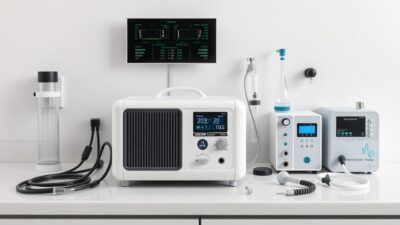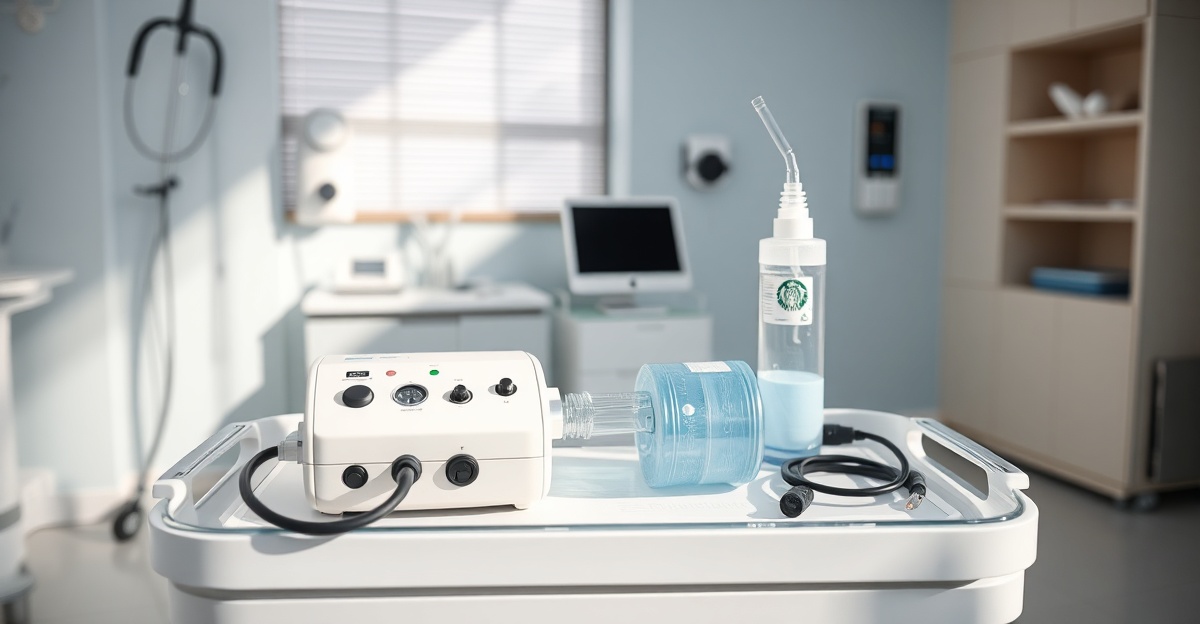
Vaginal ozone therapy is a form of ozone insufflation that delivers a medical-grade ozone/oxygen gas mixture directly into the vaginal canal through a thin catheter. Used in integrative and functional medicine clinics across the US and Europe, this treatment targets infections, chronic inflammation, and gynecological conditions that resist conventional treatments. But what does the clinical evidence actually say?
This guide covers what vaginal ozone insufflation is, how it works, conditions treated, the research behind it, session protocols, costs, and how it compares to rectal insufflation.
Key Takeaways
- Vaginal ozone insufflation delivers an ozone/oxygen mixture via catheter to treat infections, HPV, and chronic gynecological conditions.
- An RCT found 88% clinical cure rate for recurrent candida with vaginal ozone vs. 56% with standard antifungal treatment.1
- Ozonated water kills vaginal pathogens while preserving beneficial Lactobacillus bacteria.2
- Sessions typically cost to and last 15 to 30 minutes.
- Evidence is promising but still limited. More large-scale RCTs are needed.
What Is Vaginal Ozone Therapy?
Vaginal ozone therapy (also called vaginal ozone insufflation) involves introducing a precise mixture of medical-grade ozone (O3) and oxygen (O2) into the vaginal canal. The gas is delivered through a sterile catheter connected to a medical ozone generator.
Ozone is a reactive form of oxygen with three atoms instead of two. When it contacts tissues, it breaks down into regular oxygen and reactive oxygen species (ROS). These ROS are what give ozone its antimicrobial, antiviral, and anti-inflammatory properties.
The treatment is performed in a clinical setting by a trained practitioner. It is painless for most patients. The ozone concentration is typically set between 10 and 30 micrograms per milliliter (mcg/mL), depending on the condition being treated.3
How Vaginal Ozone Insufflation Works
The mechanism of vaginal ozone therapy operates on several levels:
Direct antimicrobial action. Ozone disrupts the cell walls of bacteria, fungi, and viruses on contact. Unlike antibiotics, ozone does not create resistant strains because it attacks through oxidation rather than metabolic pathways.
Immune modulation. The controlled oxidative stress from ozone activates the body’s antioxidant defense systems and stimulates immune cells. This can help the body fight infections more effectively on its own.
Improved tissue oxygenation. As ozone breaks down, it releases oxygen directly into vaginal tissues. This is important because many chronic infections thrive in low-oxygen environments. Increasing local oxygen levels creates conditions hostile to anaerobic pathogens like those involved in bacterial vaginosis.
Microbiome preservation. Research shows that ozonated water kills pathogenic organisms while preserving beneficial Lactobacillus species that maintain healthy vaginal pH.2 This is a significant advantage over broad-spectrum antibiotics, which often wipe out both good and bad bacteria.
Conditions Treated with Vaginal Ozone Therapy
Vaginal ozone insufflation is used for a range of gynecological conditions. Here is what the evidence and clinical practice show for each.
Recurrent Vaginal Candidiasis (Yeast Infections)
This is the condition with the strongest clinical evidence. A randomized controlled trial at Ain Shams University compared vaginal ozone insufflation to standard antifungal treatment in 50 women with recurrent vulvovaginal candidiasis. Results were striking: 88% of the ozone group achieved clinical cure compared to 56% in the conventional treatment group. Even more notable, recurrence occurred in only 4.5% of ozone-treated patients versus 35.7% of those on standard therapy.1
A separate study using ozonated olive oil for vulvovaginal candidiasis found comparable effectiveness to clotrimazole cream, with both treatments significantly reducing symptoms and producing negative cultures after 7 days of treatment.4
Bacterial Vaginosis (BV)
BV is caused by an overgrowth of anaerobic bacteria that displace the normal Lactobacillus-dominant flora. Ozone therapy targets these anaerobic organisms while preserving the Lactobacillus species needed for recovery. Clinical reports describe ozone as an efficient component of combined BV treatment, though large-scale randomized trials are still needed.5
HPV and Cervical Dysplasia
A 2025 review in the journal Cancers evaluated the rationale for using ozone-oxygen vaginal insufflation to prevent HPV-related cancers of the lower gynecological tract. The review found that vaginal ozone insufflation appears to be a promising tool as part of complex management of HPV-infected patients, potentially helping reduce viral loads and improve tissue oxygenation at the cervix.3
Pre-clinical research in HPV16-transgenic mice showed that ozone therapy prevented the onset of dysplasia, suggesting a possible preventive role.6 However, human clinical trials confirming these results are still in early stages.
Pelvic Inflammatory Disease
Ozone’s anti-inflammatory and antimicrobial properties make it a candidate for adjunctive treatment of pelvic inflammatory disease (PID). Practitioners report using vaginal insufflation alongside standard antibiotic therapy. However, published controlled trials specifically for PID are limited.
Endometriosis Pain
Some integrative practitioners use vaginal ozone therapy to help manage endometriosis-related pelvic pain. The rationale centers on ozone’s anti-inflammatory effects and improved tissue oxygenation. Clinical evidence for this specific application remains mostly anecdotal.
What a Vaginal Ozone Therapy Session Looks Like
Here is a typical session protocol:
Preparation. The patient undresses from the waist down and lies on an exam table. A sterile, single-use catheter is gently inserted into the vaginal canal.
Insufflation. The ozone generator produces a precise ozone/oxygen mixture at the prescribed concentration (typically 10 to 30 mcg/mL). The gas flows through the catheter into the vaginal canal at a controlled rate for 5 to 15 minutes.
Duration. Including preparation and rest time, a full session typically takes 15 to 30 minutes.
Frequency. Protocols vary by condition. Acute infections may require daily sessions for 5 to 10 days. Chronic conditions typically involve 2 to 3 sessions per week for 4 to 8 weeks. Maintenance protocols may continue with monthly sessions.
Sensation. Most patients report feeling mild warmth or fullness during the procedure. Pain is uncommon. Some patients notice a temporary increase in vaginal discharge after treatment as the body clears dead pathogens.
At-Home vs. Clinic Vaginal Ozone Therapy
Some patients purchase home ozone generators and perform vaginal insufflation at home. Here is how the two options compare:
| Factor | Clinic | At-Home |
|---|---|---|
| Cost per session | to | to (after equipment purchase) |
| Equipment cost | None | to ,500 for generator |
| Supervision | Trained practitioner | Self-administered |
| Concentration control | Medical-grade precision | Varies by equipment quality |
| Safety | Higher (professional oversight) | Risk of incorrect dosing |
| Best for | Acute infections, first-time users | Maintenance, long-term protocols |
If you choose at-home insufflation, invest in a medical-grade ozone generator with precise concentration control. Cheap units that cannot reliably set ozone levels can deliver too much or too little ozone, reducing effectiveness or increasing irritation risk.
Cost of Vaginal Ozone Therapy
Vaginal ozone therapy sessions typically cost to per session at a clinic. Some clinics offer package pricing that brings the per-session cost down:
- Single session: to
- 5-session package: to
- 10-session package: to ,000
Insurance does not cover vaginal ozone therapy. It is considered an elective, complementary treatment by insurers.
For at-home use, the upfront investment for a quality ozone generator ranges from to ,500, but ongoing costs are minimal (oxygen tank refills and catheter supplies).
Safety and Side Effects
Vaginal ozone therapy has a strong safety profile when administered at proper concentrations by trained practitioners. Potential side effects include:
- Temporary irritation: Mild burning or tingling during the procedure, usually at higher concentrations
- Increased discharge: Normal for 24 to 48 hours after treatment
- Mild cramping: Occasionally reported, typically brief
- Herxheimer reaction: Some patients experience flu-like symptoms as pathogens die off, especially during the first few sessions
Contraindications include pregnancy, active menstruation, and ozone allergy (rare). Patients with IUDs should consult their provider before treatment.
Vaginal vs. Rectal Ozone Insufflation
Both vaginal and rectal ozone insufflation deliver ozone gas through a body cavity, but they serve different purposes:
| Feature | Vaginal Insufflation | Rectal Insufflation |
|---|---|---|
| Primary target | Local gynecological conditions | Systemic absorption + gut health |
| Systemic effects | Minimal | Significant (absorbed into bloodstream) |
| Common uses | BV, candida, HPV, cervical dysplasia | Gut infections, Lyme, chronic inflammation |
| Session duration | 5 to 15 minutes | 10 to 30 minutes |
| Cost per session | $75 to $150 | $75 to $175 |
Some practitioners prescribe both modalities together. Rectal insufflation provides systemic immune and anti-inflammatory benefits, while vaginal insufflation targets local gynecological issues directly.
“88% of patients treated with vaginal ozone achieved clinical cure for recurrent candidiasis, compared to 56% with standard antifungal therapy.”
Ain Shams University RCT, Egyptian Biomedical and Women Health Journal
Frequently Asked Questions
Is vaginal ozone therapy FDA-approved?
No. Ozone therapy in general is not FDA-approved for any specific medical condition in the United States. It is practiced under the umbrella of integrative and functional medicine. Some states have specific regulations governing ozone use.
How many sessions are typically needed?
For acute infections like candida or BV, practitioners typically recommend 5 to 10 sessions over 2 to 3 weeks. Chronic conditions may require 15 to 20 sessions over 6 to 8 weeks, followed by monthly maintenance.
Can I do vaginal ozone therapy during pregnancy?
No. Vaginal ozone insufflation is contraindicated during pregnancy. The effects of ozone on fetal development have not been studied.
Does it hurt?
Most patients describe the procedure as painless. Some feel mild warmth or pressure. If you experience significant discomfort, tell your practitioner immediately so they can adjust the ozone concentration.
Can vaginal ozone therapy cure HPV?
Current evidence suggests ozone may help reduce HPV viral loads and support cervical tissue health, but no published clinical trial has demonstrated a definitive cure for HPV through ozone therapy alone. It is best viewed as a complementary approach used alongside standard gynecological care.
The Bottom Line
Vaginal ozone therapy shows genuine promise for treating recurrent vaginal infections, particularly candidiasis. The RCT data showing 88% clinical cure rates with lower recurrence compared to standard antifungals is noteworthy. For BV and HPV, the evidence is earlier-stage but biologically plausible.
The treatment has a good safety profile when administered correctly, costs are reasonable at to per session, and it offers the advantage of preserving beneficial vaginal flora, something antibiotics and antifungals often fail to do.
That said, vaginal ozone therapy should complement, not replace, conventional gynecological care. Work with a qualified practitioner who uses medical-grade equipment and can monitor your response to treatment.
- Vaginal ozone insufflation in the treatment of recurrent candidal vulvovaginitis: randomized control trial. Egyptian Biomedical and Women Health Journal. DOI: 10.21608/ebwhj.2019.17521.1028
- Zhang W, et al. Effect of ozonated water on normal vaginal microecology and Lactobacillus. Chinese Medical Journal. 2019;132(9):1137-1138. DOI: 10.1097/CM9.0000000000000216
- Zanetta G, et al. Ozone-oxygen therapy to prevent HPV-related cancers of the lower gynecological tract in infected patients. Cancers. 2025;17(3):543. DOI: 10.3390/cancers17030543
- Tara F, et al. The effects of ozonated olive oil and clotrimazole cream for treatment of vulvovaginal candidiasis. Alternative Therapies in Health and Medicine. 2016;22(4):44-49. PMID: 27548492
- Khmil SV, et al. Ozone therapy as a potential therapeutic adjunct for improving female reproductive health. Reproductive Sciences. 2019. DOI: 10.1007/s43032-019-00036-3
- Pereira MHSG, et al. Ozone therapy prevents the onset of dysplasia in HPV16-transgenic mice: a pre-clinical efficacy and safety analysis. Biomedicine & Pharmacotherapy. 2018;104:275-279. DOI: 10.1016/j.biopha.2018.05.033
Medical Disclaimer
The content on BaricBoost.com is for informational purposes only and is not intended as a substitute for professional medical advice, diagnosis, or treatment. Always seek the advice of your physician or other qualified health provider with any questions you may have regarding a medical condition. Never disregard professional medical advice or delay in seeking it because of something you have read on this website.

Author
Seph Fontane Pennock is the founder of BaricBoost.com and Regenerated.com, a clinic directory for regenerative medicine serving 10,000+ providers across the United States. He previously built and sold PositivePsychology.com, which grew to 19 million users and became the largest evidence-based positive psychology resource on the web. Seph brings direct experience as an HBOT patient, having completed protocols at clinics across three continents while navigating mold illness, systemic inflammation, and autoimmune conditions. His treatment journey includes hyperbaric oxygen therapy, peptide protocols, NAD+ therapy, and consultations with specialists from Dubai to Cape Town to Mexico. This combination of entrepreneurial track record and lived patient experience shapes everything published on BaricBoost.com. Every article is grounded in peer-reviewed research, informed by real clinical encounters, and written for patients making high-stakes treatment decisions. Seph's focus is on bringing transparency, scientific rigor, and practical guidance to the hyperbaric oxygen therapy space.