10-pass ozone therapy is the highest-dose form of intravenous ozone available, delivering up to 140,000 micrograms of ozone in a single session through 10 repeated cycles of blood draw, ozonation, and reinfusion. Developed by Austrian gynecologist Dr. Johann Lahodny, it has become one of the most sought-after treatments in integrative medicine clinics, particularly for chronic infections, autoimmune conditions, and Lyme disease.
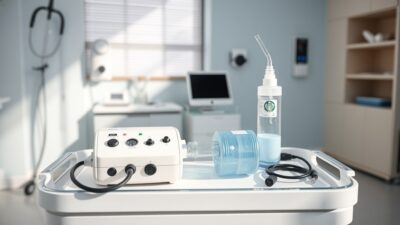
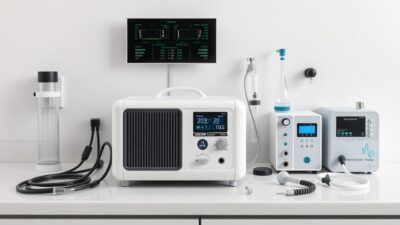
The treatment uses a specialized machine (the Zotzmann Ozon 2000) that operates under pressure, allowing far more ozone to dissolve into the blood than standard IV ozone protocols. A single 10-pass session delivers roughly 10 times the ozone exposure of a standard major autohemotherapy (MAH) treatment.
The demand is high. The evidence is early. Here is what you need to know before booking a session.
Key Takeaways
- 10-pass ozone uses the Zotzmann machine to cycle blood through ozone 10 times in one session
- Total ozone dose: ~140,000 micrograms (vs ~14,000 for standard MAH)
- Sessions last 60-90 minutes and cost -,500
- Most commonly used for Lyme disease, chronic infections, and autoimmune conditions
- Clinical evidence is limited to small studies and case series, with no RCTs published
What Is 10-Pass Ozone Therapy?
Standard major autohemotherapy (MAH) is the most common form of IV ozone therapy. A practitioner draws about 200 ml of your blood into a bag, mixes it with ozone gas, and reinfuses it. One pass. One cycle.
10-pass ozone therapy repeats this cycle 10 times in a single session. Each pass draws 200-220 ml of blood, ozonates it at a concentration of 70 micrograms per milliliter under hyperbaric pressure, and returns it to the patient. Ten cycles means roughly 2,000 ml of blood is treated with a total ozone dose of approximately 140,000 micrograms (140 mg).1
The protocol was developed by Dr. Johann Lahodny, an Austrian gynecologist who observed that higher ozone doses produced stronger clinical responses in his patients with chronic conditions. He partnered with the German manufacturer Zotzmann & Stahl to create a machine capable of delivering these doses safely.
How 10-Pass Differs from Standard MAH
| Parameter | Standard MAH | 10-Pass OHT |
|---|---|---|
| Passes | 1 | 10 |
| Blood volume per pass | 100-200 ml | 200-220 ml |
| Ozone concentration | 20-40 ug/ml | 70 ug/ml |
| Total ozone dose | ~4,000-8,000 ug | ~140,000 ug |
| Pressure | Ambient (gravity) | Hyperbaric (positive pressure) |
| Session length | 30-45 minutes | 60-90 minutes |
| Cost per session | – | -,500 |
The key difference is not just volume. The Zotzmann machine operates under positive pressure, which forces more ozone to dissolve into the blood than gravity-based systems can achieve. This hyperbaric mixing is what makes the high concentration of 70 ug/ml possible.
The Zotzmann Machine
The Zotzmann Ozon 2000, manufactured by Zotzmann & Stahl in Germany, is the device Dr. Lahodny originally developed the 10-pass protocol around. It remains the standard machine for this treatment.
How it works:
- A sterile 250 ml glass vacutainer creates a vacuum that gently draws blood from the patient’s vein
- Ozone at 70 ug/ml concentration is mixed with the blood under positive pressure
- The ozonated blood is reinfused into the patient, also under positive pressure
- This cycle repeats 10 times using the same IV access point
The closed-circuit design minimizes contamination risk. The glass components prevent ozone from reacting with plastic (ozone degrades most plastics). The entire process is automated once the practitioner sets the parameters.2
“The total ozone dosage supplied is 10 x 70 ug/ml x 200 ml = 140,000 micrograms, hence the name Ozone High Dose Therapy.”
Lahodny Protocol Documentation
What Conditions Does 10-Pass Target?
Practitioners use 10-pass ozone therapy for a range of chronic conditions. The rationale is that higher ozone doses produce stronger antimicrobial, immune-modulating, and mitochondrial effects than standard doses.
Lyme Disease and Co-Infections
Lyme disease is the most common reason patients seek 10-pass therapy. The Borrelia burgdorferi bacterium is notoriously difficult to eradicate, especially in its chronic form. Ozone’s antimicrobial properties, combined with the high doses delivered in 10-pass, make it a popular integrative approach. Clinical practitioners report improvements, but no randomized controlled trials have been published specifically for 10-pass and Lyme.
Chronic Viral Infections
Epstein-Barr virus (EBV), herpes viruses, and other chronic viral infections are commonly treated with 10-pass. Ozone has demonstrated antiviral activity in laboratory settings, and some practitioners report reduction in viral loads after treatment courses.
Autoimmune Conditions
Ozone therapy in general has shown immune-modulating effects, meaning it can both stimulate and regulate immune function depending on the dose and context. Some patients with autoimmune conditions seek 10-pass therapy for its potential to rebalance immune responses.
Cancer Support
Some integrative oncology clinics offer 10-pass as a complementary therapy alongside conventional cancer treatment. The theory is that ozone improves oxygen metabolism and may help create an environment less favorable to cancer cell growth. This remains speculative and should never replace standard oncology care.
Mitochondrial Dysfunction
A 2022 study examined the effect of ozone high-dose therapy (OHT) on mitochondrial bioenergetics in peripheral blood mononuclear cells. Six patients who received OHT for preventive purposes showed changes in mitochondrial function parameters, though the study was small and lacked a control group.3
What a 10-Pass Session Looks Like
Here is what to expect if you book a 10-pass treatment.
Before Your Session
- Hydrate well the day before and morning of your session
- Eat a light meal 1-2 hours before
- Your provider will check your G6PD status (glucose-6-phosphate dehydrogenase) if this is your first ozone treatment, as G6PD deficiency is a contraindication
- Basic lab work may be required
During the Session
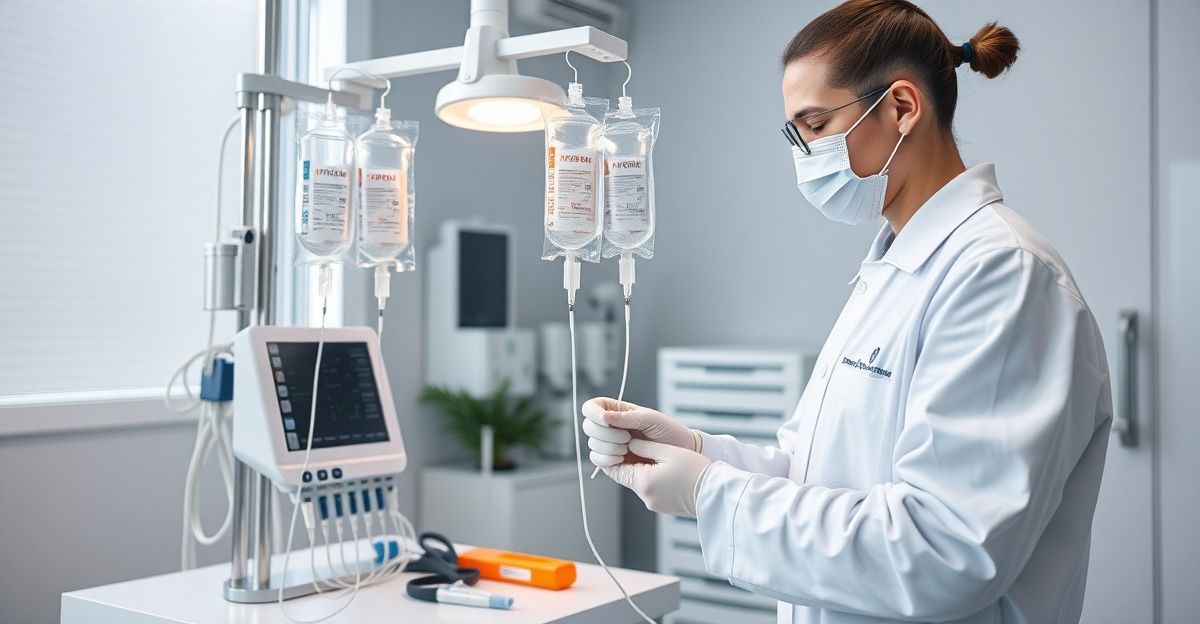
- An IV line is placed in your arm (usually the antecubital vein)
- The Zotzmann machine cycles through 10 passes automatically
- Each pass takes about 6-9 minutes
- Total session time is 60-90 minutes
- You remain seated or reclined throughout
- Most patients read, watch videos, or rest during the procedure
After Your Session
- Some patients feel energized immediately; others feel tired
- Herxheimer reactions (temporary worsening of symptoms from die-off) are possible, especially in the first few sessions
- Drink plenty of water for the rest of the day
- Avoid heavy exercise for 24 hours
For context on how 10-pass compares to other ozone blood therapies, see our guide to ozone blood therapy.
The Evidence: Where Things Stand
The clinical evidence for 10-pass ozone therapy is early-stage. Here is an honest assessment.
What Exists
- One published study on OHT and mitochondrial bioenergetics (2022), with 6 patients, no control group3
- Case series and clinical observations from practitioners like Lahodny, reporting positive outcomes in chronic infections
- Broader ozone therapy research on standard MAH, which shows anti-inflammatory, antimicrobial, and immunomodulatory effects at lower doses4
What Does Not Exist
- No randomized controlled trials on 10-pass specifically
- No large cohort studies
- No head-to-head comparisons with standard MAH
- No long-term safety data specific to high-dose protocols
Criticism
Italian researchers have raised methodological concerns about the existing OHT mitochondrial study, citing issues with the lack of clinical impact data, questions about the effect of massive ozone doses on PBMC mitochondria, and potential bias in the measurements.5
Until recently, all claims about 10-pass were based entirely on clinical observations from ozone practitioners, with no published studies to verify or refute them. The evidence base is growing, but slowly.
10-Pass vs EBOO
EBOO (Extracorporeal Blood Ozonation and Oxygenation) is sometimes compared to 10-pass. EBOO filters blood through a dialysis-like membrane while exposing it to ozone, treating a larger volume of blood in a continuous flow rather than discrete passes.
A 2022 study found that ozone dialysis (EBOO-like treatment) delivers three or more times the ozone exposure compared to other forms of ozone blood treatment, including 10-pass.6
| Factor | 10-Pass | EBOO |
|---|---|---|
| Mechanism | Discrete passes with vacutainer | Continuous flow through membrane |
| Blood volume treated | ~2,000 ml | ~3,000-5,000 ml |
| Ozone exposure | High | Very high (3x+ more) |
| Session length | 60-90 min | 45-60 min |
| Cost | -,500 | ,000-,500 |
Cost and Treatment Frequency
10-pass ozone therapy is one of the more expensive ozone treatments available.
- Single session: -,500
- Package of 5: ,000-,000 (some clinics offer discounts)
- Package of 10: ,000-,000
Treatment frequency depends on the condition being treated. Common protocols include:
- Acute infection or Lyme flare: 2-3 sessions per week for 2-4 weeks
- Chronic condition maintenance: 1 session per week for 6-10 weeks, then monthly
- General wellness: 1 session every 2-4 weeks
Insurance does not cover 10-pass ozone therapy. It is entirely out-of-pocket.
Safety and Contraindications
When performed properly by a trained practitioner, 10-pass ozone therapy carries similar risks to standard MAH, though the higher doses warrant additional caution.
Potential Side Effects
- Herxheimer reaction (die-off symptoms): fatigue, headache, malaise
- Mild nausea during or after treatment
- Bruising at the IV site
- Temporary lightheadedness
Contraindications
- G6PD deficiency – risk of hemolytic anemia from oxidative stress
- Hyperthyroidism – ozone may stimulate thyroid activity
- Pregnancy
- Active hemorrhage or bleeding disorders
- Recent myocardial infarction
- Ozone allergy (rare)
G6PD screening is mandatory before any form of IV ozone therapy. G6PD-deficient individuals lack adequate antioxidant protection in their red blood cells, making them vulnerable to hemolysis from oxidative therapies.
The Bottom Line
10-pass ozone therapy represents the high end of IV ozone treatment, both in dose and in cost. The protocol is built on the reasonable premise that higher ozone exposure produces stronger therapeutic effects, and Dr. Lahodny’s clinical observations support this idea.
But the evidence remains thin. One small study. No RCTs. No long-term safety data. The broader ozone therapy literature provides a supportive foundation, but extrapolating from standard-dose research to high-dose protocols requires caution.
If you are considering 10-pass, work with an experienced ozone practitioner, get G6PD tested first, and start with standard MAH to see how your body responds before committing to high-dose treatment. The cost is significant enough that a stepwise approach makes financial and medical sense.
Sources
- Lahodny J. High Dose Ozone Therapy (OHT) – Protocol Documentation. Presented at the World Congress of Oxygen-Ozone Therapy, 2017.
- Zotzmann & Stahl. Ozon 2000 Technical Specifications. Available at: https://zotzmann.de
- Tezgin D et al. Ozone high dose therapy (OHT) improves mitochondrial bioenergetics in peripheral blood mononuclear cells. Transl Med Commun. 2022;7:15. doi: 10.1186/s41231-022-00123-7
- Elvis AM, Ekta JS. Ozone therapy: A clinical review. J Nat Sci Biol Med. 2011;2(1):66-70. doi: 10.4103/0976-9668.82319
- Chirumbolo S et al. Commentary on “Ozone high dose therapy improves mitochondrial bioenergetics in peripheral blood mononuclear cells.” Transl Med Commun. 2022. doi: 10.1186/s41231-022-00127-3
- Coppola L et al. Ozone dialysis delivers three or more times the ozone than other forms of ozone blood treatment. J Ozone Ther. 2022;6(3). doi: 10.7203/jo3t.6.3.2022.26364
Medical Disclaimer
The content on BaricBoost.com is for informational purposes only and is not intended as a substitute for professional medical advice, diagnosis, or treatment. Always seek the advice of your physician or other qualified health provider with any questions you may have regarding a medical condition. Never disregard professional medical advice or delay in seeking it because of something you have read on this website.

Author
Seph Fontane Pennock is the founder of BaricBoost.com and Regenerated.com, a clinic directory for regenerative medicine serving 10,000+ providers across the United States. He previously built and sold PositivePsychology.com, which grew to 19 million users and became the largest evidence-based positive psychology resource on the web. Seph brings direct experience as an HBOT patient, having completed protocols at clinics across three continents while navigating mold illness, systemic inflammation, and autoimmune conditions. His treatment journey includes hyperbaric oxygen therapy, peptide protocols, NAD+ therapy, and consultations with specialists from Dubai to Cape Town to Mexico. This combination of entrepreneurial track record and lived patient experience shapes everything published on BaricBoost.com. Every article is grounded in peer-reviewed research, informed by real clinical encounters, and written for patients making high-stakes treatment decisions. Seph's focus is on bringing transparency, scientific rigor, and practical guidance to the hyperbaric oxygen therapy space.