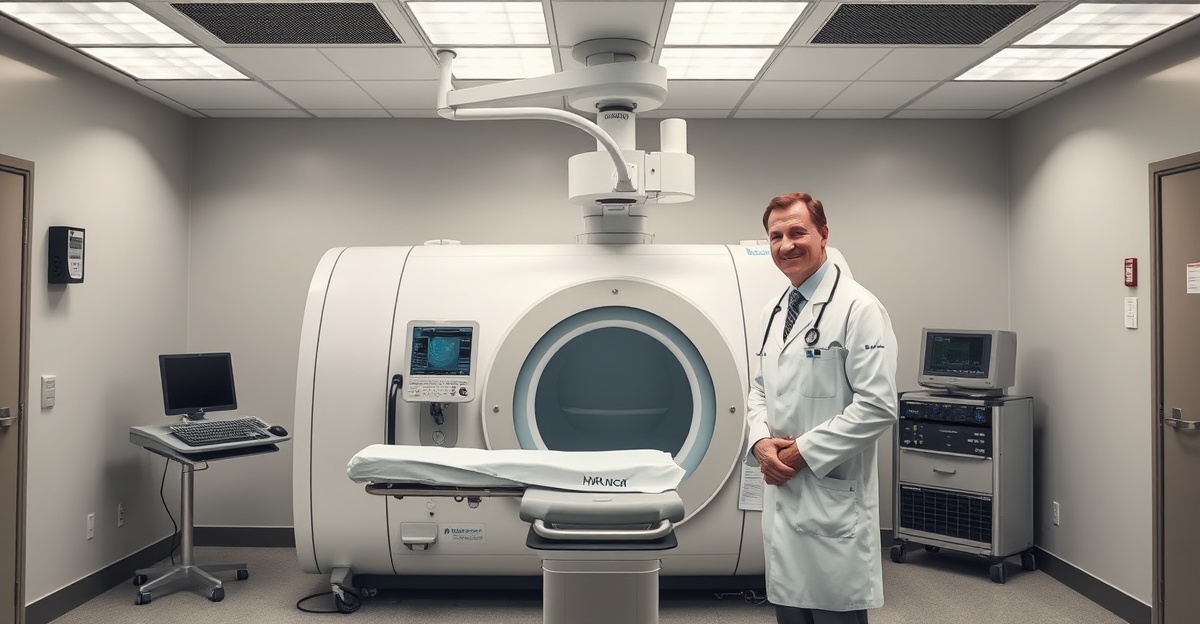
HBOT devices are FDA-cleared for exactly 14 medical conditions, from emergency indications like decompression sickness and carbon monoxide poisoning to chronic conditions like non-healing diabetic wounds and radiation injuries. The most recent addition was central retinal artery occlusion, recognized around 2021. Soft-shell chambers are cleared for altitude sickness only and do not qualify for any of these 14 indications.14
The Distinction: Cleared vs Approved
A critical terminology point: HBOT devices are FDA-cleared, not FDA-approved. FDA clearance (via the 510(k) pathway) means the device has been demonstrated to be substantially equivalent to a legally marketed predicate device. FDA approval (via the PMA pathway) requires extensive clinical trial data proving safety and efficacy for specific conditions.
In practice, the FDA has cleared hyperbaric chambers as medical devices and recognized 14 conditions for which HBOT is a legitimate treatment. These 14 indications are endorsed by the Undersea and Hyperbaric Medical Society (UHMS) and form the basis for insurance reimbursement and CPT billing codes.3
The Complete List of 14 FDA-Cleared Indications
| # | Indication | Category | Insurance |
|---|---|---|---|
| 1 | Air or gas embolism | Emergency | Covered |
| 2 | Carbon monoxide poisoning (and cyanide poisoning) | Emergency | Covered |
| 3 | Clostridial myositis and myonecrosis (gas gangrene) | Emergency | Covered |
| 4 | Crush injury, compartment syndrome, acute traumatic ischemias | Emergency/Acute | Covered |
| 5 | Decompression sickness | Emergency | Covered |
| 6 | Arterial insufficiencies including central retinal artery occlusion6 | Acute | Covered |
| 7 | Severe anemia (exceptional blood loss, when transfusion unavailable) | Emergency | Covered |
| 8 | Intracranial abscess | Acute | Covered |
| 9 | Necrotizing soft tissue infections | Acute | Covered |
| 10 | Chronic refractory osteomyelitis | Chronic | Covered |
| 11 | Delayed radiation injury (soft tissue and bony necrosis) | Chronic | Covered |
| 12 | Compromised grafts and flaps | Acute/Chronic | Covered |
| 13 | Acute thermal burn injury | Emergency | Covered |
| 14 | Diabetic lower extremity wounds (Wagner grade 3+) | Chronic | Covered (with criteria) |
“The FDA has cleared hyperbaric oxygen therapy devices for 14 specific medical conditions, ranging from emergency treatments like decompression sickness and carbon monoxide poisoning to chronic conditions like non-healing diabetic wounds and radiation injuries.”
FDA Consumer Update; UHMS 2024
UHMS-Approved Indications
The Undersea and Hyperbaric Medical Society (UHMS) maintains a parallel evidence-based list of 14-15 indications (including CO poisoning complicated by cyanide as a separate entry). UHMS recommendations specify treatment pressure ranges (typically 2.0-3.0 ATA) and are reviewed by the UHMS Hyperbaric Oxygen Therapy Committee.3
Most Commonly Treated Indications
Distribution of actual clinical HBOT use is heavily concentrated:
- Diabetic foot ulcers: ~60% of all clinical HBOT sessions. The largest patient population and most common reason for HBOT referral7
- Delayed radiation injury: ~15-20% of sessions. Common among cancer survivors, particularly after pelvic, head/neck, or breast radiation
- Compromised flaps/grafts: ~5-10% of sessions
- Emergency indications: ~5% of sessions (decompression sickness, CO poisoning, gas gangrene, air embolism)
The Soft Chamber Warning
“Soft-shell hyperbaric chambers are FDA-cleared only for acute mountain sickness. They are not cleared for any of the 14 medical conditions that hard-shell HBOT devices can treat.”
UHMS Consumer Warning; FDA guidance
Soft chambers operating at 1.3 ATA are FDA-cleared solely for altitude sickness prevention, not as medical HBOT devices for any of the 14 cleared indications.4 All clinical outcome data for the 14 FDA-cleared conditions was generated at 2.0-3.0 ATA in medical-grade hard chambers.
What Is NOT on the List
Major off-label conditions actively researched but not FDA-cleared include:
- Long COVID: Promising RCT data but no FDA clearance
- Traumatic brain injury: Extensive military research, not FDA-cleared (TBI data)
- Stroke recovery: Strong RCT evidence from Efrati’s group
- Anti-aging/longevity: Telomere study published
- Cancer, autism, Alzheimer’s, diabetes: FDA explicitly warns against these claims1
Does Medicare Cover HBOT?
Medicare covers HBOT under National Coverage Determination (NCD) 20.29.5 For diabetic wounds:
- Wagner grade 3 or higher required
- Must have failed at least 30 days of adequate standard wound therapy
- Adequate vascular status for healing (transcutaneous oxygen measurement may be required)
- Continued coverage requires documented healing progress
- FDA Consumer Update. Hyperbaric oxygen therapy: Get the facts. fda.gov/consumers/consumer-updates/hyperbaric-oxygen-therapy-get-facts
- FDA Letter to Health Care Providers. Follow instructions for safe use of HBOT devices. August 2025. fda.gov
- UHMS. HBO Indications (2024). uhms.org/resources/featured-resources/hbo-indications.html
- UHMS Consumer Warning. The Dangers of Soft-Sided Bag Chambers. uhms.org
- Centers for Medicare & Medicaid Services. National Coverage Determination 20.29: Hyperbaric Oxygen Therapy. cms.gov
- Intellicure. (2022). The FDA updates its list of conditions for which HBOT chambers are cleared for use. intellicure.com
- Fife C, Eckert K. (2018). The Hyperbaric Oxygen Therapy Registry. Undersea & Hyperbaric Medicine. DOI: 10.22462/01.02.2018.1
- Harvard Health. (2024). Hyperbaric oxygen therapy: Evidence-based uses and unproven claims. health.harvard.edu
- UCLA Health. Hyperbaric Medicine Indications. uclahealth.org
- NIH/NCBI. Evidence Brief: HBOT for TBI. ncbi.nlm.nih.gov/books/NBK499535/
Medical Disclaimer
The content on BaricBoost.com is for informational purposes only and is not intended as a substitute for professional medical advice, diagnosis, or treatment. Always seek the advice of your physician or other qualified health provider with any questions you may have regarding a medical condition. Never disregard professional medical advice or delay in seeking it because of something you have read on this website.

Author
Seph Fontane Pennock is the founder of BaricBoost.com and Regenerated.com, a clinic directory for regenerative medicine serving 10,000+ providers across the United States. He previously built and sold PositivePsychology.com, which grew to 19 million users and became the largest evidence-based positive psychology resource on the web. Seph brings direct experience as an HBOT patient, having completed protocols at clinics across three continents while navigating mold illness, systemic inflammation, and autoimmune conditions. His treatment journey includes hyperbaric oxygen therapy, peptide protocols, NAD+ therapy, and consultations with specialists from Dubai to Cape Town to Mexico. This combination of entrepreneurial track record and lived patient experience shapes everything published on BaricBoost.com. Every article is grounded in peer-reviewed research, informed by real clinical encounters, and written for patients making high-stakes treatment decisions. Seph's focus is on bringing transparency, scientific rigor, and practical guidance to the hyperbaric oxygen therapy space.