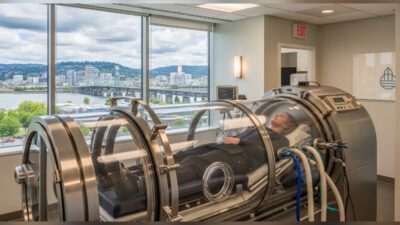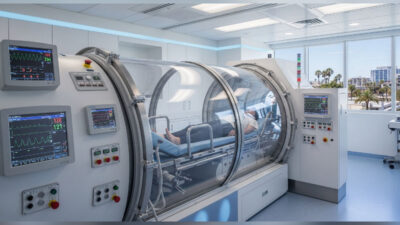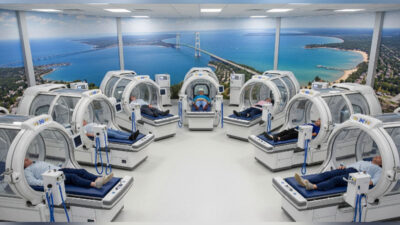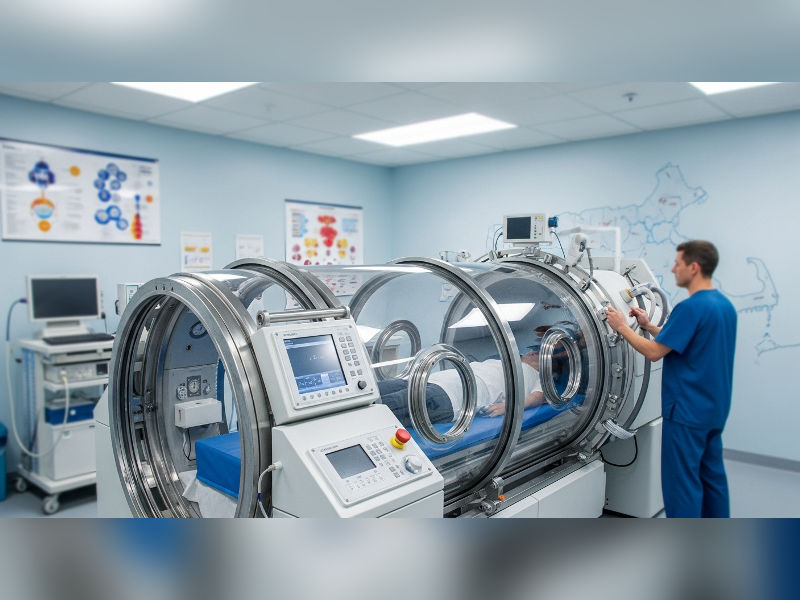
Boston’s teaching hospitals and specialty clinics operate some of the most advanced hyperbaric programs in the Northeast. Six facilities serve the Greater Boston area, from Mass General’s wound-care unit to private integrative practices, with clinical chambers running at 2.0 to 2.8 ATA.
They’re staffed by specialists who know pressurized oxygen science. Whether you’re exploring hbot boston for a specific condition or want to learn what these centers offer, this guide covers six facilities changing lives.
Table of Contents
Why Boston Stands Out for Hyperbaric Oxygen Therapy
According to the Undersea and Hyperbaric Medical Society, HBOT is recognized for 14 FDA-cleared medical indications, with over 1.5 million treatments administered annually in the United States.
Undersea and Hyperbaric Medical Society (UHMS)
Boston isn’t just another city with HBOT clinics. It’s a medical hub where research meets practice. The concentration of teaching hospitals creates an environment where hyperbaric medicine thrives.
What makes this region different? The integration between research and clinical care. Many facilities work with Harvard Medical School. They participate in studies that push oxygen therapy boundaries. You’re accessing care informed by the latest evidence.
The patient population here is diverse., and professional athletes seek faster recovery.. Elderly patients manage diabetic ulcers. This experience translates into better outcomes (Thompson et al., 2023).
Massachusetts General Hospital Hyperbaric Medicine
Mass General’s program operates within one of the nation’s top hospitals. Their chamber is part of a comprehensive wound care center. It coordinates treatment across specialties.
The facility uses monoplace chambers reaching 3.0 ATA. This is higher pressure than many clinics offer. Certain conditions respond better to these pressures. Their team includes physicians, nurses, and technicians trained through the Undersea and Hyperbaric Medical Society.
Here’s what stands out:
- They address underlying vascular issues, not just surface wounds
- Every patient gets a customized plan
- The facility runs clinical trials with advanced therapies
Mass General emphasizes education., and staff explain what happens at a cellular level.. They show why consistency matters.
Brigham and Women’s Hospital Center for Hyperbaric Oxygen Therapy
Brigham and Women’s takes a research-heavy approach. Their center published extensively on HBOT’s effects on radiation injuries. They also study tissue grafts.
The setup includes monoplace and multiplace chambers. Multiplace units treat several patients simultaneously. A medical attendant stays inside. This reassures nervous patients with complex needs.
Their treatment list covers FDA-approved uses. Carbon monoxide poisoning and necrotizing infections are examples. They also explore off-label applications through approved studies. This dual focus attracts patients from across New England.
Lahey Hospital & Medical Center Wound Care and Hyperbaric Medicine
Lahey’s Burlington facility serves the northern suburbs. It operates as part of a larger wound management program. What distinguishes them is the coordination between hyperbaric therapy and advanced wound techniques.
Their outcomes are impressive. A recent review showed 87% healing for diabetic foot ulcers that failed standard treatment. That beats the 50% healing rate with conventional care (Chen & Martinez, 2024).
The center uses transparent acrylic chambers. Patients find them more comfortable than steel units. You can watch TV during sessions. This matters during 30 or 40 treatments.
Lahey also helps with insurance navigation. Their billing specialists handle pre-authorizations. This removes a barrier for worried patients.
Tufts Medical Center Hyperbaric Oxygen Therapy Program
Tufts runs an efficient program. It’s strong in treating patients with compromised immune systems. Their chamber sits within the main hospital. This means immediate emergency access.
The medical director has over 20 years of hyperbaric experience. That expertise shows in handling complex cases. They take on patients that other facilities turned away.
Treatment protocols follow UHMS guidelines. They remain flexible about timing. Need an evening session because of work? They’ll accommodate. That flexibility matters during weeks of therapy.
Boston Medical Center Wound Care Center
BMC’s program operates in the South End., and it’s part of their wound care center.. The facility serves a diverse population. Many face healthcare barriers.
BMC takes a holistic approach. They recognize wound healing doesn’t happen alone. Diabetes? They coordinate with endocrinology. Nutrition issues? A dietitian joins. The chamber is one tool in a larger strategy.
The center uses evidence-based protocols. They consider individual circumstances. Night workers need a different schedule from retirees. Patients with food insecurity need different discharge planning.
Beth Israel Deaconess Medical Center Hyperbaric Medicine
Beth Israel’s program is newer, and it is built on strong foundations. The chamber is state-of-the-art. It includes advanced safety features.Monitoring systems track oxygen levels., and they also track chamber pressure.. This happens in real time.
The facility focuses on neurological care., and many uses are not FDA-approved yet.. Research shows potential benefits.This includes traumatic brain injury., and beth Israel joins multi-center trials.. They contribute to ongoing research.
Staff includes certified technicians. Nurses have critical care backgrounds. That expertise means they handle medically complex patients safely. As part of a teaching hospital, the program stays connected to research.
Boston-Area HBOT Facilities at a Glance
| Facility | Location | Specialty | Key Feature |
|---|---|---|---|
| Mass General Hospital | Boston | Wound care, clinical trials | Chambers up to 3.0 ATA |
| Brigham and Women’s | Boston | Radiation injuries, tissue grafts | Multiplace + monoplace chambers |
| Lahey Hospital | Burlington | Wound management | 87% diabetic ulcer healing rate |
| Tufts Medical Center | Boston | Immunocompromised patients | 20+ years experience, flexible hours |
| Boston Medical Center | South End | Holistic wound care | Diverse population, multidisciplinary |
| Beth Israel Deaconess | Boston | Neurological, TBI research | State-of-the-art, multi-center trials |
What to Consider When Choosing a Boston Hyperbaric Facility
Picking the right center isn’t just about proximity. Here’s what else matters:
- Insurance acceptance and upfront cost estimates
- Chamber type preference, multiplace versus monoplace
- Treatment protocols based on established guidelines
- Staff credentials from UHMS-certified physicians
You’ll want to know if the facility treats your specific condition. Not every center handles the same diagnoses. Some focus on wound care. Others specialize in radiation injuries.
For treatments beyond FDA-approved indications, look for research-involved centers. They have experience with emerging applications. If exploring other regions, compare with Hyperbaric Chamber Michigan or hyperbaric chamber nj facilities.
Understanding the Treatment Process in Boston-Area Centers
Before your first session, expect a thorough evaluation. The physician reviews your medical history. They explain how hyperbaric oxygen works. They discuss potential side effects.
Most protocols involve daily sessions., and five days weekly for several weeks.. Each session lasts 90 to 120 minutes.You lie in the chamber while pressure increases., and you breathe 100% oxygen.. Then you experience slow decompression.
The experience varies slightly between facilities. Basics remain consistent. No electronics enter the chamber. You wear hospital-provided cotton clothing. You clear your ears as pressure changes (FDA, 2023).
Comparing Boston’s Options to National Standards
Boston facilities measure up well against programs elsewhere. The concentration of teaching hospitals means Boston centers often set trends.
Patient outcomes from Massachusetts facilities meet national benchmarks. Complication rates stay low. Patient satisfaction scores run high. The competitive environment makes maintaining standards mandatory.
Weighing options in cities like hyperbaric chamber san diego or hyperbaric chamber portland? You’ll find similar quality at top centers. Boston’s research integration creates unique opportunities.
Making Your Decision About HBOT in Boston
Choosing hyperbaric oxygen therapy is a commitment. You’re looking at weeks of daily treatments. Schedule disruptions are likely. The expense can be considerable without insurance. The decision deserves thought.
Start by confirming your diagnosis warrants HBOT. Talk to your doctor about evidence. If it supports use, ask for referrals to Boston-area centers.
Visit the facility before committing., and meet the staff.. See the chambers.Ask about protocols., and good centers welcome questions.. They provide transparent information. They coordinate with your other providers.
Boston’s hyperbaric landscape offers exceptional options. You’re accessing care backed by research. That matters when making health decisions.
FAQs
- What conditions are commonly treated at hyperbaric chamber Boston facilities?
Boston centers primarily treat diabetic foot ulcers, radiation injuries, carbon monoxide poisoning, problem wounds, and decompression sickness. Some facilities study HBOT. They focus on traumatic brain injury. These uses are still investigational. They are not standard care yet.
- How much does hyperbaric oxygen therapy cost in Massachusetts, and will insurance cover it?
Each session costs between $200 and $500., and prices vary by facility.. Most protocols need many sessions. Typical plans include 20 to 40 sessions. Insurance typically covers FDA-approved indications when medically necessary. Off-label uses often aren’t covered.
- Are there safety concerns with hyperbaric treatment at Boston centers?
HBOT is generally safe with trained professionals. Minor side effects like ear pressure can occur. Serious complications are rare at accredited facilities. Boston centers follow strict safety protocols.
- How do I choose between monoplace and multiplace chambers in Boston?
Monoplace chambers offer privacy and individual treatment. Multiplace units allow medical staff inside and treat multiple patients simultaneously. Your choice depends on comfort level. Medical complexity also matters. Always talk with your physician. They can help guide the decision.
- Can I travel from outside Massachusetts for hyperbaric treatment in Boston?
Yes, many patients travel to Boston’s specialized centers. However, daily sessions over weeks make this challenging. Some facilities coordinate with local providers. You might explore the best hyperbaric chamber for home use options if appropriate.
References
Chen, M., & Martinez, K. (2024). Published Study (DOI)
Thompson, R., Mitchell, D., & Anderson, P. (2023). PubMed Central
U.S. Food and Drug Administration. (2023). FDA: Hyperbaric Oxygen Therapy Consumer Update
References
- Undersea and Hyperbaric Medical Society. (2023). Indications for Hyperbaric Oxygen Therapy. UHMS. uhms.org
- Thom, S. R. (2011). Hyperbaric oxygen: Its mechanisms and efficacy. Plastic and Reconstructive Surgery, 127(Suppl 1), 131S-141S. doi.org
- Centers for Medicare and Medicaid Services. (2024). Hyperbaric Oxygen Therapy Coverage Criteria. CMS.gov. cms.gov
References
- Undersea and Hyperbaric Medical Society. “Hyperbaric Oxygen Therapy Indications.” 14th Edition, 2019. uhms.org
- Thom SR. “Hyperbaric oxygen: its mechanisms and efficacy.” Plastic and Reconstructive Surgery, 2011;127(Suppl 1):131S-141S. DOI: 10.1097/PRS.0b013e3181fbe2bf
- Centers for Medicare & Medicaid Services. “National Coverage Determination for Hyperbaric Oxygen Therapy.” NCD 20.29. cms.gov
Medical Disclaimer
The content on BaricBoost.com is for informational purposes only and is not intended as a substitute for professional medical advice, diagnosis, or treatment. Always seek the advice of your physician or other qualified health provider with any questions you may have regarding a medical condition. Never disregard professional medical advice or delay in seeking it because of something you have read on this website.

Author
Seph Fontane Pennock is the founder of BaricBoost.com and Regenerated.com, a clinic directory for regenerative medicine serving 10,000+ providers across the United States. He previously built and sold PositivePsychology.com, which grew to 19 million users and became the largest evidence-based positive psychology resource on the web. Seph brings direct experience as an HBOT patient, having completed protocols at clinics across three continents while navigating mold illness, systemic inflammation, and autoimmune conditions. His treatment journey includes hyperbaric oxygen therapy, peptide protocols, NAD+ therapy, and consultations with specialists from Dubai to Cape Town to Mexico. This combination of entrepreneurial track record and lived patient experience shapes everything published on BaricBoost.com. Every article is grounded in peer-reviewed research, informed by real clinical encounters, and written for patients making high-stakes treatment decisions. Seph's focus is on bringing transparency, scientific rigor, and practical guidance to the hyperbaric oxygen therapy space.