Affiliate Disclosure
This article contains affiliate links. If you purchase through these links, we may earn a commission at no additional cost to you. This does not influence our evaluations or rankings.
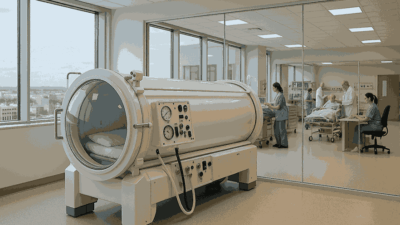
Des Moines has a small but growing number of HBOT providers, from hospital-based wound care programs to private wellness clinics. Session costs typically range from $150 to $350. This guide covers every HBOT provider in the Des Moines metro area, what they offer, and how to choose between clinical and wellness-focused options.
Table of Contents
Why Des Moines Is Seeing More Hyperbaric Chambers?
According to the Undersea and Hyperbaric Medical Society, HBOT is recognized for 14 FDA-cleared medical indications, with over 1.5 million treatments administered annually in the United States.
Undersea and Hyperbaric Medical Society (UHMS)
Des Moines is a city of contrasts. On one side, you have high school and collegiate athletes training hard all year, from Drake Relays runners to Iowa Wild hockey players.
An aging population managing chronic illnesses, surgeries, and slower healing times is also a key driver.
Seasonal factors play a role, too:
- Brutal winters can mean more slips, falls, and fractures that need post-surgical healing.
- Hot summers can be tough on circulation and hydration, both of which affect recovery rates.
- Spring and fall sports seasons push local athletes to their limits.
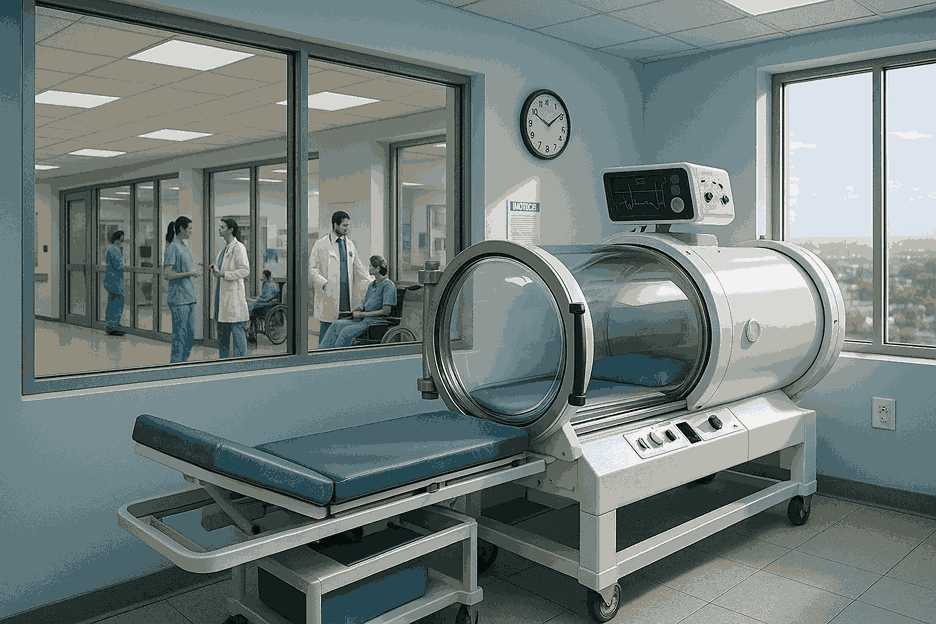
This combination of active lifestyles and recovery needs makes the hyperbaric chamber Des Moines clinics offer more relevant than ever.
Common Use Cases In Des Moines Clinics
While HBOT can be used for a variety of conditions, here’s what’s most common in the metro area:
- Sports recovery: From weekend cyclists to pro athletes, oxygen-rich recovery can shorten downtime between intense training sessions.
- Chronic wounds: Especially diabetic foot ulcers, which can be slow to heal without advanced interventions.
- Radiation tissue damage: Many cancer survivors in the area use HBOT to manage long-term side effects of radiation therapy.
- Post-surgery support: Orthopedic and cosmetic surgery patients often look for ways to reduce swelling and speed healing.
- Wellness seekers: While not always covered by insurance, some use HBOT to help with fatigue, focus, and general wellness.
If you’re curious why local providers talk so much about “pressure” when describing sessions, there’s a reason: oxygen’s effect changes dramatically with pressure.
It’s worth reading 5 Reasons why atmospheric pressure matters in oxygen therapy before your first appointment, so you can understand the numbers your provider shares.
What To Expect In A Session?
If you’re picturing something intimidating, relax. Most Des Moines facilities make the process simple and surprisingly comfortable.
A typical first session might look like this:
- Consultation & screening – A quick review of your medical history, ear/sinus health, and oxygen safety basics.
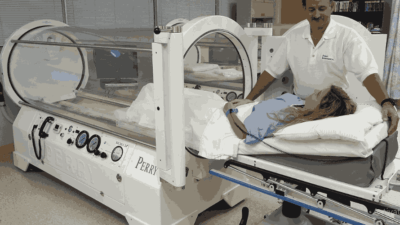
- Getting settled – In a monoplace (single-person) chamber, you’ll lie on a padded surface; in a multiplace, you may be seated with others.
- Pressurization – The air pressure gradually increases to the target ATA (atmospheres absolute). You’ll likely feel it in your ears, similar to flying.
- Breathing period – Sessions usually last 60–90 minutes, with 100% oxygen delivered either ambiently or via a mask/hood.
- Decompression – Pressure is slowly lowered back to normal before you exit.
Some clients bring music or audiobooks; others nap. In either case, comfort is key, the more relaxed you are, the easier it is to complete multiple sessions in a treatment plan.
Safety And Accreditation Standards To Look For
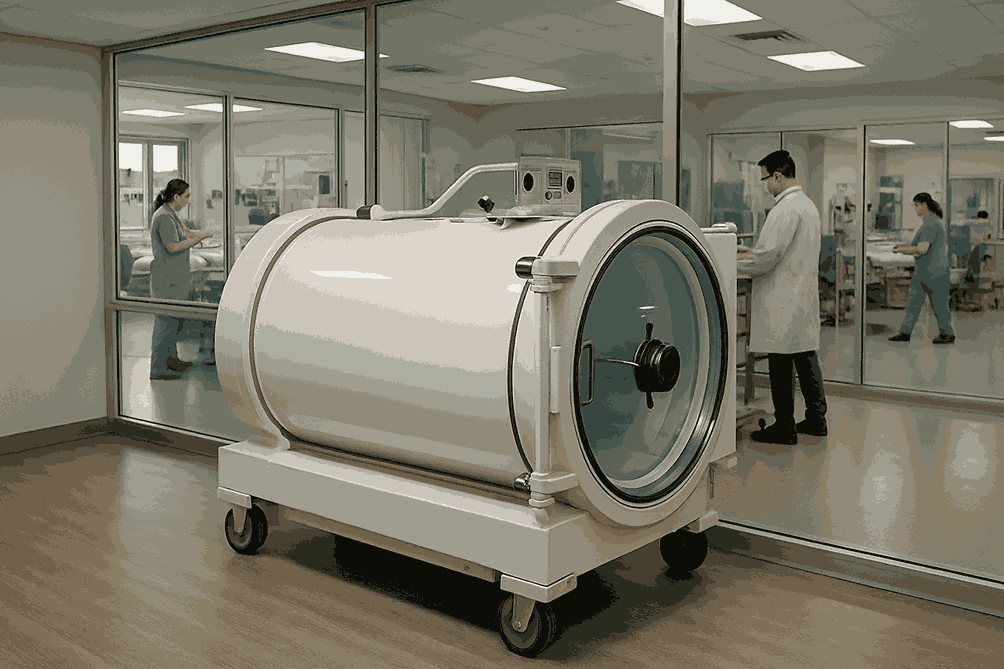
Not all hyperbaric chamber Des Moines options are created equal. Some are hospital-based, staffed with certified hyperbaric chamber technicians; others are wellness-focused facilities with soft-shell chambers.
When evaluating a provider, check for:
- Certified technicians are present during sessions.
- Documented safety protocols for oxygen handling and fire prevention.
- Maintenance logs for the chamber.
- Emergency procedures and staff training records.
If you’re renting a chamber for home use, these standards still apply. That’s why I recommend reviewing the Hyperbaric Chamber Rental Guide before making a decision. (UHMS Hyperbaric Facility Accreditation Program – Undersea & Hyperbaric Medical Society)
Cost And Insurance Realities
Pricing in Des Moines generally ranges from $75 to $150 per session for self-pay clients. Insurance may cover HBOT for FDA-approved indications such as:
- Chronic refractory osteomyelitis
- Radiation tissue damage
- Diabetic foot ulcers (certain grades)
For athletic recovery, wellness, or experimental uses, you’ll almost always be paying out of pocket. Some clinics offer package discounts, so if you’re committing to a 20–40 session block, it’s worth asking.
Managing Expectations: Results And Timelines
Here’s the truth, HBOT isn’t an overnight miracle. In my experience with Des Moines clients, wound care patients may see measurable improvement after 10–20 sessions, while athletes often notice faster recovery within a week or two of regular use.
The key is consistency. If you only pop in once every few weeks, you’re unlikely to get the same benefit as someone following a structured plan.
Practical Tips For First-Time Users In Des Moines
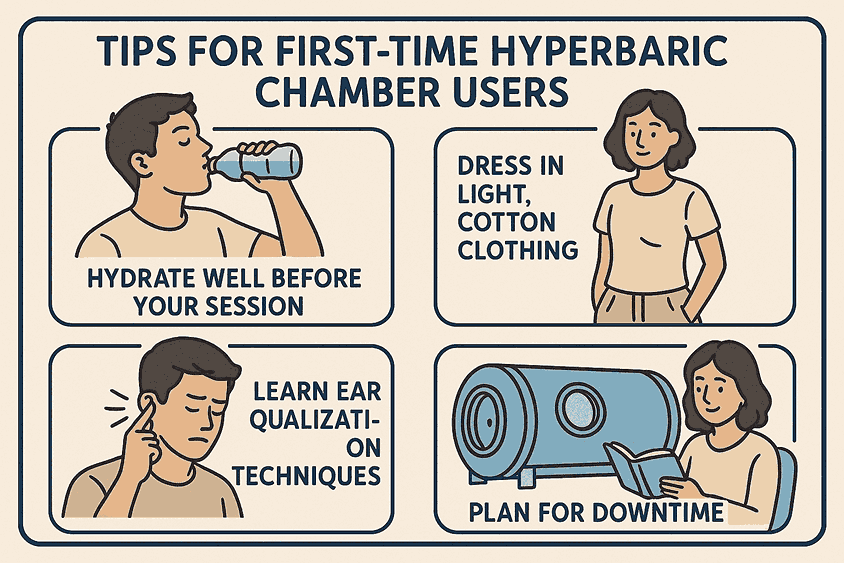
- Hydrate well before your session; Iowa’s dry winter air can make you feel dehydrated faster.
- Dress in light, cotton clothing to stay comfortable under pressure.
- Learn ear equalization techniques (your tech can teach you) to avoid discomfort.
- Plan for downtime afterward if you’re doing high-pressure medical-grade sessions; some people feel pleasantly fatigued.
A Local Buyer’s Checklist
| Question to Ask | Why It Matters |
| What ATA and duration do you use for my condition? | Pressure and session length directly impact therapeutic results; they should match your specific health needs. |
| How do you track patient outcomes? | Objective tracking (photos, measurements, logs) ensures the therapy is working and adjustments are made if needed. |
| What’s your emergency response protocol? | A clear, practiced plan protects you in case of pressure-related discomfort, oxygen safety issues, or equipment malfunction. |
| Are your technicians certified? | Certification means the staff has formal training in hyperbaric safety, operation, and patient care. |
| How often do you maintain and service your chamber? | Regular maintenance ensures consistent pressure, oxygen purity, and safe operation over time. |
Before committing to a hyperbaric chamber in Des Moines provider, ask:
- What ATA and duration do you use for my condition?
- How do you track patient outcomes?
- What’s your emergency response protocol?
- Are your technicians certified?
- How often do you maintain and service your chamber?
One of the most misunderstood aspects of HBOT is how much the actual pressure impacts results. Too low, and you might not reach your intended goals. Too high, and it can cause discomfort or ear issues.
Home Chambers: When They Make Sense
If you’re considering HBOT for ongoing maintenance or a long-term rehab plan, a home setup can make financial sense, but only if you do it right.
Final Words
Whether you’re a runner pushing for a PR, a patient navigating a slow-healing wound, or just curious about wellness options, the hyperbaric chamber Des Moines clinics offer can be a valuable tool.
Choose a qualified provider, set clear goals, and give the process time to work.
The best results come from a mix of smart protocols, safety-minded staff, and a patient who’s committed to the full plan.
FAQ
1. How long before I notice results?
Athletes may notice recovery benefits within a week; wound care patients may need several weeks.
2. Is HBOT safe for kids?
Yes, in certain cases, always under medical supervision.
3. Can I combine HBOT with other therapies?
Absolutely. Many local patients pair it with physical therapy, massage, or light exercise.
4. Do I need a referral?
For insurance-covered cases, yes. For wellness or athletic use, most clinics allow self-referral.
References
- UHMS Hyperbaric Facility Accreditation Program – Undersea & Hyperbaric Medical Society. (n.d.). Undersea & Hyperbaric Medical Society
References
- Undersea and Hyperbaric Medical Society. (2023). Indications for Hyperbaric Oxygen Therapy. UHMS. uhms.org
- Thom, S. R. (2011). Hyperbaric oxygen: Its mechanisms and efficacy. Plastic and Reconstructive Surgery, 127(Suppl 1), 131S-141S. doi.org
- Centers for Medicare and Medicaid Services. (2024). Hyperbaric Oxygen Therapy Coverage Criteria. CMS.gov. cms.gov
References
- Undersea and Hyperbaric Medical Society. “Hyperbaric Oxygen Therapy Indications.” 14th Edition, 2019. uhms.org
- Thom SR. “Hyperbaric oxygen: its mechanisms and efficacy.” Plastic and Reconstructive Surgery, 2011;127(Suppl 1):131S-141S. DOI: 10.1097/PRS.0b013e3181fbe2bf
- Centers for Medicare & Medicaid Services. “National Coverage Determination for Hyperbaric Oxygen Therapy.” NCD 20.29. cms.gov
Medical Disclaimer
The content on BaricBoost.com is for informational purposes only and is not intended as a substitute for professional medical advice, diagnosis, or treatment. Always seek the advice of your physician or other qualified health provider with any questions you may have regarding a medical condition. Never disregard professional medical advice or delay in seeking it because of something you have read on this website.

Author
Seph Fontane Pennock is the founder of BaricBoost.com and Regenerated.com, a clinic directory for regenerative medicine serving 10,000+ providers across the United States. He previously built and sold PositivePsychology.com, which grew to 19 million users and became the largest evidence-based positive psychology resource on the web. Seph brings direct experience as an HBOT patient, having completed protocols at clinics across three continents while navigating mold illness, systemic inflammation, and autoimmune conditions. His treatment journey includes hyperbaric oxygen therapy, peptide protocols, NAD+ therapy, and consultations with specialists from Dubai to Cape Town to Mexico. This combination of entrepreneurial track record and lived patient experience shapes everything published on BaricBoost.com. Every article is grounded in peer-reviewed research, informed by real clinical encounters, and written for patients making high-stakes treatment decisions. Seph's focus is on bringing transparency, scientific rigor, and practical guidance to the hyperbaric oxygen therapy space.
Why Trust Our Evaluations
Our rankings are based on hands-on testing, published clinical data, and verified manufacturer specifications. We apply the same criteria to every product regardless of affiliate status. Editorial Process · Evaluation Methodology