Affiliate Disclosure
This article contains affiliate links. If you purchase through these links, we may earn a commission at no additional cost to you. This does not influence our evaluations or rankings.
Arizona has over 30 hyperbaric oxygen therapy providers across Phoenix, Scottsdale, Mesa, Tucson, and surrounding cities. The state’s concentration of wellness-focused clinics and sports medicine practices means more options than most states, with session prices ranging from $100 to $400. This guide maps every provider, compares pricing, and covers insurance and protocol details.
Table of Contents
Why Arizona Is A Unique Place For HBOT?
According to the Undersea and Hyperbaric Medical Society, HBOT is recognized for 14 FDA-cleared medical indications, with over 1.5 million treatments administered annually in the United States.
Undersea and Hyperbaric Medical Society (UHMS)
On paper, HBOT is the same everywhere: you enter a pressurized chamber, breathe concentrated oxygen, and allow your body’s tissues to absorb more of it than they can under normal conditions.
But Arizona’s environment adds some twists that make the experience, and sometimes the benefits, a little different.
- Year-round sports culture – From Ironman triathlons in Tempe to golf tournaments in Scottsdale, recovery speed matters here.
- Desert climate – The low humidity can affect skin healing and hydration, which HBOT may help counterbalance.
- Altitude shifts – Northern Arizona towns like Flagstaff and Prescott are at higher elevations, and HBOT can help the body adapt to changes in oxygen availability.
- Older population – Arizona’s retiree communities have higher demand for post-surgery and chronic wound recovery options. (Commissioner, Hyperbaric oxygen therapy: Get the facts)
The takeaway? If you’re booking a hyperbaric chamber in Arizona session, you’re in a state that already understands the value of recovery tools, and many clinics have tailored their programs for local needs.
Who’s Using Hyperbaric Chambers In Arizona Right Now
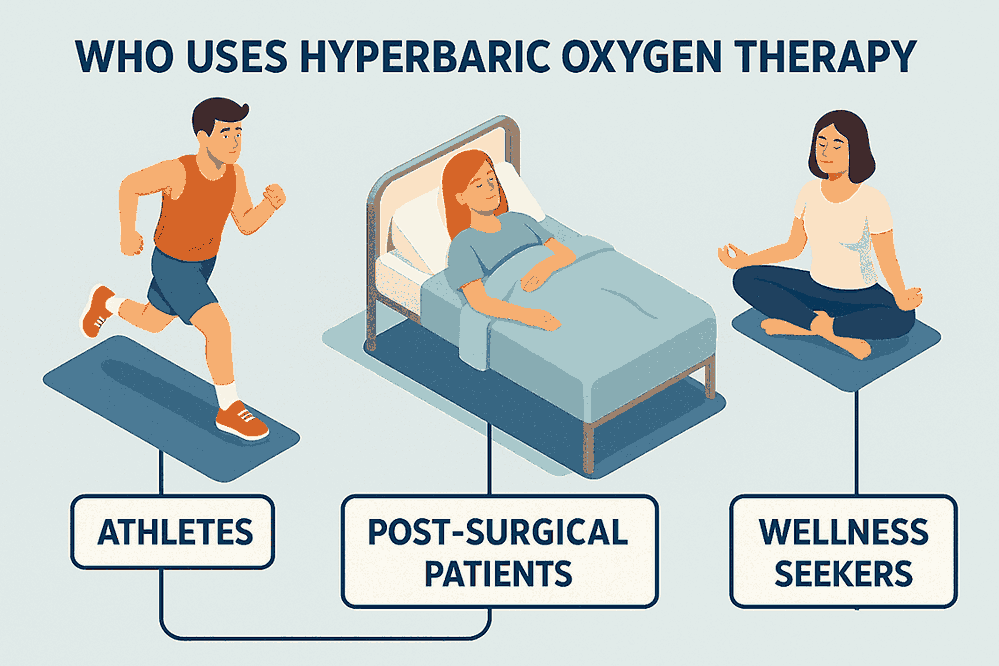
Arizona HBOT centers see a surprisingly diverse crowd. There are several types of people who get the benefits from using a hyperbaric chamber:
- Athletes: Triathletes, marathon runners, and football players looking to speed up muscle recovery.
- Post-surgical patients: People recovering from orthopedic or cosmetic surgeries.
- Chronic wound care patients, especially those managing diabetic ulcers or post-radiation tissue damage.
- Wellness seekers: Professionals and parents trying HBOT for energy, sleep improvement, or mental clarity.
- Retirees: Those managing age-related healing slowdowns or looking to maintain an active lifestyle.
Not every use is covered by insurance, but that hasn’t slowed adoption. Some see it as part of their health routine, much like a gym membership.
What Happens During A First Session In Arizona Clinics
Your first visit usually starts with a medical screening, even in wellness settings. The staff will review your health history, ear and sinus conditions, and explain safety protocols.
Here’s the usual flow:
- Orientation – You’ll be shown the chamber, how to communicate during the session, and what to expect when pressure changes.
- Getting comfortable – Arizona clinics often keep chambers cooled, especially in summer, so you won’t overheat. You’ll change into approved cotton clothing.
- Pressurization – The technician will slowly increase the chamber’s air pressure to the prescribed ATA (atmospheres absolute). You may feel pressure in your ears, much like on a plane descent.
- Oxygen period – Depending on the setup, you’ll either breathe oxygen directly or in a highly oxygenated pressurized room for 60–90 minutes.
- Decompression – Pressure is gradually returned to normal before you exit.
For those curious about why ATA levels are so important, it’s worth checking out 5 Reasons why atmospheric pressure matters in oxygen therapy, it explains the science in plain English.
Key Questions To Ask Before Booking
The best hyperbaric chamber in Arizona providers welcome questions, in fact, it’s a sign they’re confident in their process. Here’s a quick decision-making table:
| Question | Why It Matters |
| What ATA do you use for my condition? | Ensures the pressure is suited to your therapeutic goal. |
| Who operates the chamber? | Certified technicians mean safer, more consistent sessions. |
| How is safety monitored? | Continuous observation prevents complications. |
| How do you track progress? | Data-driven adjustments lead to better outcomes. |
| What’s the pricing and cancellation policy? | Avoids surprise costs or inflexible terms. |
Costs, Packages, And Insurance In Arizona
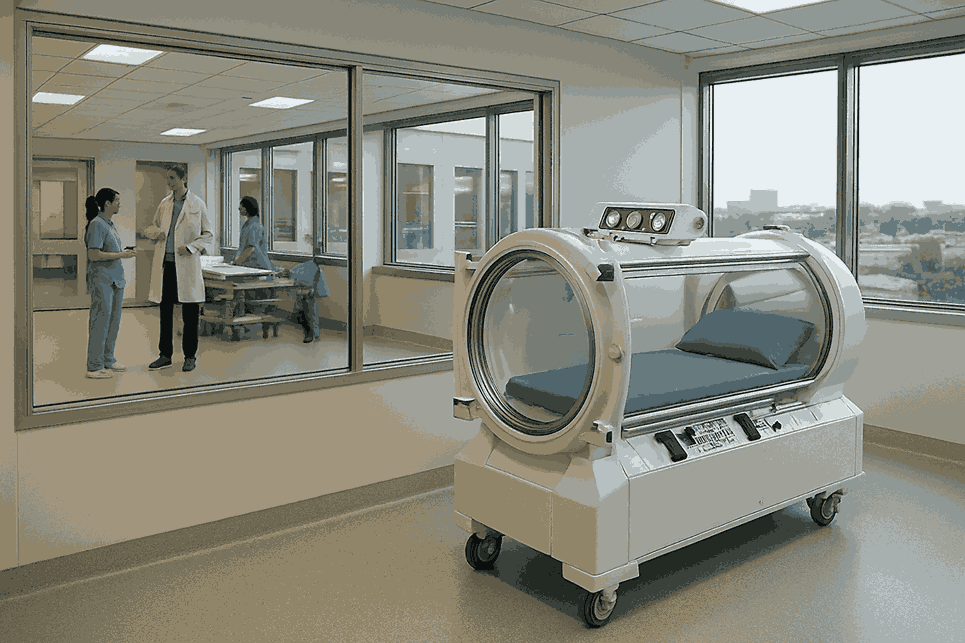
Pricing varies depending on location. In Phoenix, expect $90–$150 per session at wellness centers, while hospital-based treatments (for approved medical conditions) can cost more but may be covered by insurance.
Covered conditions often include:
- Radiation injury
- Diabetic wounds
- Certain infections
- Severe anemia (emergency cases)
For sports recovery or wellness, you’ll likely pay out of pocket, but many Arizona clinics offer discounted packages for 20–40 sessions.
How To Prepare For Your First Session In Arizona
Arizona’s climate means prep is slightly different here than in cooler, more humid states:
- Stay hydrated – The desert air can dry you out quickly, which may affect comfort in the chamber.
- Dress right – Light, breathable cotton clothing is best.
- Eat lightly – A small snack before your session can help avoid lightheadedness.
- Equalize early – Learn simple ear-clearing techniques to avoid discomfort.
- Plan your timing – Avoid booking right after long outdoor workouts in extreme heat.
Home Vs. Clinic: Arizona Considerations
Some Arizona residents, especially those with long-term treatment plans, consider owning or renting a chamber.
A home setup offers convenience, but you need to think about:
- Space and ventilation in your home.
- Maintenance requirements in a dry, dusty environment.
- Whether you’ll have trained support nearby.
If you’re weighing this option, read the Hyperbaric Chamber Rental Guide, it covers safety, setup, and rental vs. purchase pros and cons.
Making The Most Of HBOT In Arizona
Maximizing results comes down to a few smart habits:
- Pair HBOT with physical therapy, massage, or nutrition plans.
- Book sessions during cooler parts of the day to avoid heat stress.
- Track your progress, note changes in energy, recovery speed, and pain levels.
- Understand how pressure impacts results (again, that ATA knowledge pays off).
Consistency is everything. One or two sessions won’t show much, a complete protocol is what delivers measurable change.
Final Thoughts
The hyperbaric chamber in Arizona providers offer isn’t just another wellness trend, it’s a tool with real science behind it, adapted for the state’s unique environment.
Whether you’re an athlete chasing faster recovery, a patient managing a stubborn wound, or someone exploring new ways to boost energy and clarity, HBOT can be worth exploring.
Start by asking the right questions, understanding your goals, and choosing a clinic that values both safety and results.
That way, your first session won’t just be an experiment, it’ll be the first step in a well-planned recovery strategy.
FAQs
Do Arizona clinics have cooling systems for chambers?
Yes. Most keep internal temps comfortable even during summer highs.
Is it safe to do HBOT after outdoor sports in high heat?
Yes, but hydrate well and allow your body to cool before entering.
Can I combine HBOT with altitude training in Flagstaff?
Many athletes do, just make sure your provider is aware.
Are there mobile HBOT services in Arizona?
A few exist, mostly in metro Phoenix and Tucson, but they’re less common than fixed-site clinics.
References
- Commissioner, O. of the. (n.d.). Hyperbaric oxygen therapy: Get the facts. U.S. Food and Drug Administration. FDA: Hyperbaric Oxygen Therapy Consumer Update
References
- Undersea and Hyperbaric Medical Society. (2023). Indications for Hyperbaric Oxygen Therapy. UHMS. uhms.org
- Thom, S. R. (2011). Hyperbaric oxygen: Its mechanisms and efficacy. Plastic and Reconstructive Surgery, 127(Suppl 1), 131S-141S. doi.org
- Centers for Medicare and Medicaid Services. (2024). Hyperbaric Oxygen Therapy Coverage Criteria. CMS.gov. cms.gov
References
- Undersea and Hyperbaric Medical Society. “Hyperbaric Oxygen Therapy Indications.” 14th Edition, 2019. uhms.org
- Thom SR. “Hyperbaric oxygen: its mechanisms and efficacy.” Plastic and Reconstructive Surgery, 2011;127(Suppl 1):131S-141S. DOI: 10.1097/PRS.0b013e3181fbe2bf
- Centers for Medicare & Medicaid Services. “National Coverage Determination for Hyperbaric Oxygen Therapy.” NCD 20.29. cms.gov
Medical Disclaimer
The content on BaricBoost.com is for informational purposes only and is not intended as a substitute for professional medical advice, diagnosis, or treatment. Always seek the advice of your physician or other qualified health provider with any questions you may have regarding a medical condition. Never disregard professional medical advice or delay in seeking it because of something you have read on this website.

Author
Seph Fontane Pennock is the founder of BaricBoost.com and Regenerated.com, a clinic directory for regenerative medicine serving 10,000+ providers across the United States. He previously built and sold PositivePsychology.com, which grew to 19 million users and became the largest evidence-based positive psychology resource on the web. Seph brings direct experience as an HBOT patient, having completed protocols at clinics across three continents while navigating mold illness, systemic inflammation, and autoimmune conditions. His treatment journey includes hyperbaric oxygen therapy, peptide protocols, NAD+ therapy, and consultations with specialists from Dubai to Cape Town to Mexico. This combination of entrepreneurial track record and lived patient experience shapes everything published on BaricBoost.com. Every article is grounded in peer-reviewed research, informed by real clinical encounters, and written for patients making high-stakes treatment decisions. Seph's focus is on bringing transparency, scientific rigor, and practical guidance to the hyperbaric oxygen therapy space.
Why Trust Our Evaluations
Our rankings are based on hands-on testing, published clinical data, and verified manufacturer specifications. We apply the same criteria to every product regardless of affiliate status. Editorial Process · Evaluation Methodology