The fastest way to find the nearest hyperbaric chamber is to check hospital wound care centers first. Over 800 US hospitals operate HBOT programs, typically offering 2.0-3.0 ATA treatments for FDA-cleared indications. For off-label conditions, independent clinics fill the gap in most metro areas.
The number of HBOT facilities has grown., and more clinics now offer treatment.. Hospitals offer it too. Specialized centers are also available. Many options exist across the country.
This guide cuts through the confusion. This guide gives practical ways to find the closest hyperbaric chamber. You will learn what to look for in a facility. You will learn how to choose wisely. You will also see what sets certain locations apart. You will learn how to verify a provider. You want care you can trust.
Table of Contents
Why Location Matters When Choosing Your HBOT Provider
According to the Undersea and Hyperbaric Medical Society, HBOT is recognized for 14 FDA-cleared medical indications, with over 1.5 million treatments administered annually in the United States.
Undersea and Hyperbaric Medical Society (UHMS)
Distance isn’t just about convenience. Consistency matters with this therapy. Hyperbaric oxygen therapy requires multiple sessions. Treatment often lasts weeks. Sometimes it lasts months. That depends on your condition. If you’re driving two hours each way, that gets exhausting fast. Treatment fatigue is real.
When you’re searching for hyperbaric chamber locations near me, think about your schedule. Can you really make it to appointments without messing up work or family time? Some people underestimate this part. They end up quitting treatment halfway through. That wastes time and money.
But location isn’t everything. A facility five minutes away won’t help if its equipment is old. Or if their staff doesn’t have proper credentials. You need both closeness and quality. That’s why learning how to judge facilities matters just as much as finding them.
How to Search for the Closest Hyperbaric Chamber Effectively

Start with the basics. Use a simple online search. Try phrases like “where is the nearest hyperbaric chamber? You will see many results. Do not stop there. Search engines favor paid listings. They also favor SEO-driven content. That doesn’t always mean you’re seeing the best choices.
Check with your insurance provider. They keep directories of covered facilities. This step saves you from liking a clinic and then learning they don’t take your plan. Insurance networks can be really specific about which centers they work with.
Ask your doctor for recommendations. Primary care doctors and specialists often know local HBOT centers. They can point you toward trusted providers. Your doctor may have insights.They may know which centers perform better., and some facilities specialize in certain conditions.. That knowledge can save time.
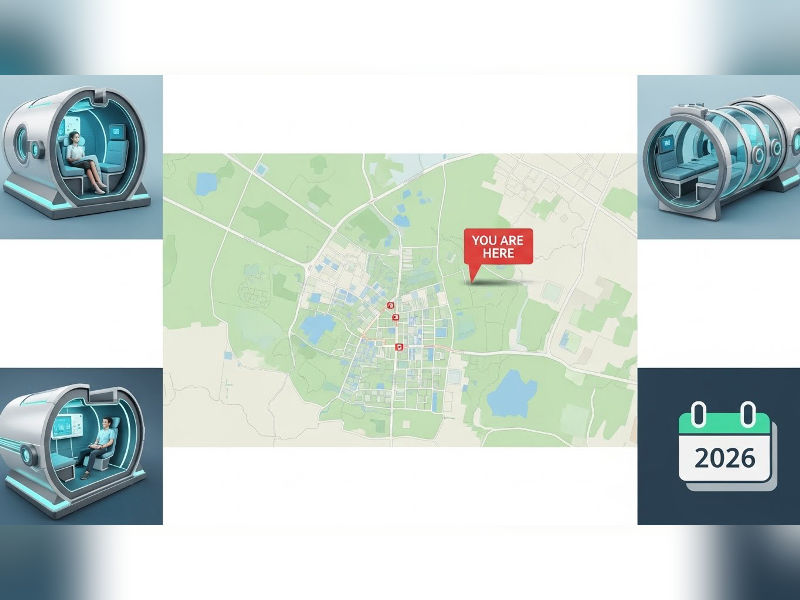
Use hyperbaric chamber maps. These are available through professional groups. The Undersea and Hyperbaric Medical Society offers one. They list recognized facilities. Their directories show accredited facilities. This gives you a quality baseline (Undersea and Hyperbaric Medical Society, 2024). Not every good facility is accredited. But it’s a solid starting point.
What to Look for in a Reputable HBOT Facility
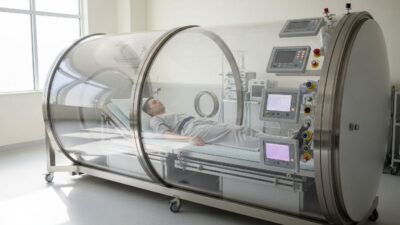
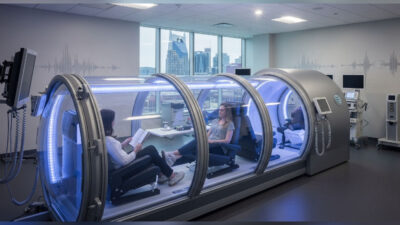
Equipment type matters more than most people think. Monoplace chambers are single-person units. Multiplace chambers fit multiple patients. Each has benefits. Monoplace chambers give you privacy and individual control. Multiplace units let staff watch you directly during treatment.
Staff credentials should be required. Look for facilities with certified hyperbaric chamber training professionals. Look for trained medical staff. Doctors should have hyperbaric medicine training. Technologists should be certified. The Certified Hyperbaric Technologist credential matters. It shows proper education. You want experienced staff in a pressurized chamber.
Cleanliness reflects standards., and it shows how a facility operates.. It also shows how they manage safety.Ask about their chamber cleaning routines., and ask about equipment inspection schedules.. Good maintenance prevents problems. It keeps treatment quality steady.
Emergency readiness is critical., and ask where the nearest hospital is.. Problems can happen during treatment. Proximity matters in emergencies. Some standalone clinics have agreements with nearby hospitals. Others work inside hospital systems. Know their emergency plans before you commit.
Eight Key Factors That Define Quality HBOT Centers
- Certification from groups like UHMS shows they follow safety standards
- Good facilities follow research-based protocols. They tailor treatment plans. They adjust care to your condition.
- Staff watch patients continuously during all sessions
- Upfront details about costs and insurance coverage
- Chamber pressure is reaching the treatment levels needed for your condition
- Scheduling options that fit your life
- Good results with your specific condition
Understanding Different Types of Facilities Offering HBOT
Hospital hyperbaric chamber programs usually treat urgent conditions. Some conditions are well established. Carbon monoxide poisoning is one. Decompression sickness is another. Serious wounds also qualify. These programs often have the newest equipment. They give quick access to other medical specialists if problems come up. Insurance coverage tends to be simpler at hospital locations. They’re part of larger medical systems.
Standalone clinics focus on outpatient care. Independent clinics may offer flexible scheduling. They often focus on specific conditions.Sports injuries are common., and brain-related issues are another focus.. Chronic wounds are also treated. These centers may lack emergency resources. Hospitals usually have more support.
Wellness centers have become more common., and they offer mild hyperbaric therapy.. Pressure levels are lower. These chambers differ from medical-grade ones. Usually 1.3 ATA. These aren’t the same as medical-grade chambers. They won’t treat FDA-approved conditions. Be careful of wellness centers making big health claims without proof.
Some people ask about buying their own chamber. That’s a different choice involving high cost and upkeep duties. For most patients needing treatment, finding a professional facility makes more sense.
State-by-State Availability and Regional Considerations
| Region | Facility Density | Common Providers | Access Challenges |
| Northeast | High | Hospital systems, university medical centers | Lots in cities, gaps in rural areas |
| Southeast | Moderate-High | Mix of hospital and standalone clinics | Insurance differs by state |
| Midwest | Moderate | Mostly hospital-based | Long distances between facilities in rural spots |
| Southwest | Moderate | Growing standalone market | Few options in smaller cities |
| West Coast | High | Mix including wellness centers | Price differences, waiting lists |
Regional availability changes a lot by location. Big cities might have a dozen options within twenty miles. Rural areas could require traveling hundreds of miles. This gap affects treatment access, and it creates barriers for patients without good transportation (Whelan & Hyperbaric Oxygen Therapy Committee, 2023).
Some states have stronger insurance rules for HBOT coverage. This affects how many facilities work there. States with better payment rates tend to have more providers available.
Questions to Ask Before Committing to a Facility
Call the facility before booking., and ask about their experience with your condition.. Some centers focus on wound care. They may know less about brain treatment. A direct conversation helps clarify this.
Find out what happens during your first visit., and good facilities do complete evaluations.. They check your medical history.They explain the treatment process clearly., and be cautious of rushed decisions.. If a provider pushes sessions quickly, pause. Proper assessment should come first, and that is a red flag.
Ask about their cancellation rules. What happens if you miss sessions? Life happens. You need to know the money impact of schedule changes.
Ask about patient training programs. Learning how to equalize pressure helps. Knowing what to expect during treatment cuts down anxiety. Learning how to talk with staff makes your experience better.
Insurance Coverage and Financial Planning for HBOT Access
Insurance companies cover HBOT for FDA-approved conditions. Examples include diabetic wounds, radiation tissue damage, and certain infections. For non-approved uses, coverage gets much harder. Get approval before starting treatment. This helps you avoid surprise bills.
Out-of-pocket costs vary a lot., and some facilities charge $200 per session.. Others go over $1,000. The total cost for a typical treatment course adds up fast. Most people need 20-40 sessions. Don’t think higher prices mean better care.
Payment plans exist at many facilities., and but read the details carefully.. Some plans add interest charges.These really increase your final cost., and compare options.. Try to negotiate if you can.
Consider costs beyond the session fee., and parking adds up.. Time off work matters.Childcare affects budgets., and travel costs matter too.. A closer facility may cost more per session. It may still save money overall.
Maximizing Treatment Benefits Through Strategic Planning
Once you’ve found your nearest hyperbaric chamber location, plan timing carefully. Consistency supports better results. Some people do better with morning sessions.Others prefer afternoons., and regular scheduling helps the body adapt.. Routine supports progress.
Plan for session length., and treatments last 90 minutes.. Some last two hours.This is not a quick visit., and this includes prep and decompression time.. You cannot fit this into a lunch break. It requires dedicated time.
Hydration is important., and drink water before sessions.. Drink water after sessions. This supports healing, and it can reduce fatigue.
Track your progress., and keep a simple journal.. Note symptoms and changes.This helps you and your care team., and it shows whether treatment is effective.. Some people notice improvements fast.Some people see results quickly., and others need more sessions.. Progress varies by condition. (Bennett & Elliott, 2023).
FAQs
- How do I find the nearest hyperbaric chamber that accepts my insurance?
Call your insurance company’s provider services department. Ask for a list of in-network HBOT facilities. You can also call individual chambers. Ask if they work with your specific plan.
- What’s the difference between medical-grade chambers and wellness center chambers?
Medical-grade chambers reach higher pressures. They usually operate at 2.0 to 3.0 ATA. This allows deeper oxygen delivery. They treat FDA-approved conditions under medical watch. Wellness centers run at lower pressures. Mild chambers operate at lower pressure. Around 1.3 ATA is typical., and these are not medical devices.. They are not regulated the same way.
- Can I use a hyperbaric chamber map to find all available facilities?
Hyperbaric chamber map directories from groups like UHMS list accredited facilities. Not every quality center shows up in these databases. Use directories first. Then expand your search.Check insurance networks., and ask doctors for referrals.. Combine multiple sources.
- How many treatment sessions will I need, and how does that affect my choice of location?
Most conditions need 20 to 40 sessions., and treatment spans several weeks.. You may go multiple times per week.Choose a location you can reach consistently., and think about one to two months of visits.. Make sure the schedule is realistic.
- Where is the nearest hyperbaric chamber for emergency treatments?
Emergency hyperbaric facilities are usually hospital-based. They often run 24/7. Search for “emergency HBOT” locally. You can also call your hospital’s emergency department for help with hyperbaric chamber treatment near me options.
References
Bennett, M. H., & Elliott, D. (2023). Hyperbaric oxygen therapy for wound healing and tissue repair. Published Study (DOI)
Undersea and Hyperbaric Medical Society. (2024). Undersea & Hyperbaric Medical Society
Whelan, H. T., & Hyperbaric Oxygen Therapy Committee. (2023). Published Study (DOI)
References
- Undersea and Hyperbaric Medical Society. (2023). Indications for Hyperbaric Oxygen Therapy. UHMS. uhms.org
- Thom, S. R. (2011). Hyperbaric oxygen: Its mechanisms and efficacy. Plastic and Reconstructive Surgery, 127(Suppl 1), 131S-141S. doi.org
- Centers for Medicare and Medicaid Services. (2024). Hyperbaric Oxygen Therapy Coverage Criteria. CMS.gov. cms.gov
References
- Undersea and Hyperbaric Medical Society. “Hyperbaric Oxygen Therapy Indications.” 14th Edition, 2019. uhms.org
- Thom SR. “Hyperbaric oxygen: its mechanisms and efficacy.” Plastic and Reconstructive Surgery, 2011;127(Suppl 1):131S-141S. DOI: 10.1097/PRS.0b013e3181fbe2bf
- Centers for Medicare & Medicaid Services. “National Coverage Determination for Hyperbaric Oxygen Therapy.” NCD 20.29. cms.gov
Medical Disclaimer
The content on BaricBoost.com is for informational purposes only and is not intended as a substitute for professional medical advice, diagnosis, or treatment. Always seek the advice of your physician or other qualified health provider with any questions you may have regarding a medical condition. Never disregard professional medical advice or delay in seeking it because of something you have read on this website.

Author
Seph Fontane Pennock is the founder of BaricBoost.com and Regenerated.com, a clinic directory for regenerative medicine serving 10,000+ providers across the United States. He previously built and sold PositivePsychology.com, which grew to 19 million users and became the largest evidence-based positive psychology resource on the web. Seph brings direct experience as an HBOT patient, having completed protocols at clinics across three continents while navigating mold illness, systemic inflammation, and autoimmune conditions. His treatment journey includes hyperbaric oxygen therapy, peptide protocols, NAD+ therapy, and consultations with specialists from Dubai to Cape Town to Mexico. This combination of entrepreneurial track record and lived patient experience shapes everything published on BaricBoost.com. Every article is grounded in peer-reviewed research, informed by real clinical encounters, and written for patients making high-stakes treatment decisions. Seph's focus is on bringing transparency, scientific rigor, and practical guidance to the hyperbaric oxygen therapy space.