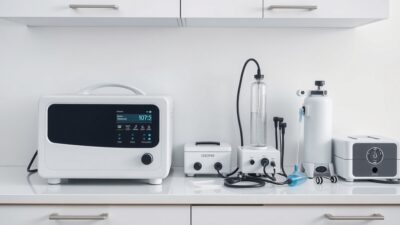
Oxygen therapy, particularly hyperbaric oxygen therapy (HBOT), is emerging as a promising treatment for stroke recovery, even years after the initial event. A landmark 2013 randomized controlled trial showed that HBOT could reactivate dormant brain tissue in chronic stroke patients, challenging the long-held belief that recovery plateaus after the first few months. While acute stroke treatment remains focused on clot-busting drugs and surgical intervention, the science behind oxygen-based rehabilitation for chronic stroke survivors is building steadily.
This guide covers the evidence for oxygen therapy in stroke recovery, how it works at the neurological level, typical treatment protocols, costs, and what patients should realistically expect.
Key Takeaways
- A 2013 RCT by Efrati et al. demonstrated significant neurological improvement in chronic stroke patients treated with HBOT, even 6 to 36 months after stroke onset1
- HBOT works by delivering oxygen to the ischemic penumbra, the border zone of damaged but still viable brain tissue
- Typical protocols involve 40 to 60 sessions at 2.0 ATA, 90 minutes per session, five days per week
- A 2020 retrospective study of 162 patients found 86% achieved clinically significant cognitive improvement after HBOT2
- HBOT costs $150 to $350 per session, and insurance rarely covers off-label stroke rehabilitation use
- The FDA approves HBOT for 14 conditions, but post-stroke rehabilitation is not currently among them
How Oxygen Therapy Works for Stroke Recovery
A stroke occurs when blood flow to part of the brain is cut off, either by a clot (ischemic stroke, ~87% of cases) or a ruptured blood vessel (hemorrhagic stroke). Without oxygen, brain cells in the affected area begin to die within minutes.
But the damage is not all-or-nothing. Surrounding the core infarct (dead tissue) is a region called the ischemic penumbra. These cells are metabolically impaired but still structurally intact. They exist in a state of dormancy, receiving just enough blood flow to survive but not enough to function normally.1
This is where HBOT enters the picture. By breathing 100% oxygen at pressures above normal atmospheric levels (typically 1.5 to 2.0 ATA), blood plasma oxygen levels increase by 10 to 15 times normal values. This hyperoxygenated blood reaches the penumbra and can:
- Reactivate dormant neurons by providing the metabolic fuel needed to resume function
- Stimulate neuroplasticity by upregulating brain-derived neurotrophic factor (BDNF) and other growth factors
- Promote angiogenesis (new blood vessel formation) in oxygen-starved regions
- Reduce neuroinflammation by modulating inflammatory cytokines
- Stimulate stem cell mobilization from bone marrow, which may support neural repair3
The concept challenges a long-standing assumption in neurology: that the brain’s recovery window closes within months of a stroke. The Efrati trial demonstrated that this assumption may be wrong.
The Evidence: What Clinical Studies Show
Chronic Stroke (6+ Months Post-Stroke)
The strongest evidence for HBOT in stroke recovery comes from chronic stroke patients, those who had been told further improvement was unlikely.
Efrati et al. (2013) conducted a prospective, randomized, controlled crossover trial with 74 patients who were 6 to 36 months post-stroke. The HBOT group received 40 sessions of 90 minutes at 2.0 ATA, five days per week. The control group received no treatment for two months, then crossed over to HBOT.1
Results showed significant improvements in the National Institutes of Health Stroke Scale (NIHSS), activities of daily living, and quality of life scores. SPECT brain imaging confirmed increased metabolic activity in regions where anatomy and physiology were mismatched, meaning the tissue was alive but previously non-functional. No improvement was observed during the control period.
“The results indicate that HBOT can lead to significant neurological improvements in post-stroke patients even at chronic late stages. The improvement is mediated by reactivation of neuroplasticity in regions where there is a brain anatomy/physiology mismatch.”
Efrati et al., 2013, PLoS ONE
Hadanny et al. (2020) analyzed 162 chronic stroke patients (mean age 60.75, 75.3% male) treated with 40 to 60 sessions at 2.0 ATA. After treatment, 86% achieved clinically significant improvement (greater than 0.5 standard deviations) across all cognitive domains tested, including memory, attention, information processing speed, and executive function.2
| Study | Patients | Protocol | Key Outcome |
|---|---|---|---|
| Efrati et al. (2013) | 74 (crossover RCT) | 40 sessions, 2.0 ATA, 90 min | Significant NIHSS and ADL improvement; SPECT confirmed brain reactivation |
| Hadanny et al. (2020) | 162 (retrospective) | 40-60 sessions, 2.0 ATA, 90 min | 86% achieved clinically significant cognitive improvement |
| Khairy et al. (2025) | 1 (case report) | 83 sessions, 2.0 ATA, 90 min | Wheelchair to ambulation; +16% motor cortex perfusion |
| Bennett et al. (2014) | 705 (Cochrane, 11 RCTs) | Various protocols | No mortality benefit for acute stroke; some disability measures improved |
Acute Stroke (Within Hours to Days)
The evidence for HBOT in acute stroke is weaker and more mixed. A 2014 Cochrane review of 11 randomized controlled trials (705 participants) found no significant difference in case fatality at six months. Some disability scales showed improvement, but the overall quality of evidence was low.4
This does not mean HBOT is harmful during the acute phase. It means the trials conducted so far have been too small, too inconsistent in protocols, and too varied in patient populations to draw firm conclusions. Current standard of care for acute ischemic stroke remains thrombolysis (tPA) within 4.5 hours and mechanical thrombectomy when appropriate.
The Timing Question
One of the most striking findings from the research is that timing may matter less than previously thought. Traditional neurology held that stroke recovery plateaus at 6 to 12 months. After that, what you have is what you get.
The Efrati trial enrolled patients up to 36 months post-stroke and still observed improvements. The Khairy case report documented significant recovery at 15 months post-hemorrhagic stroke, including progression from wheelchair dependence to walking with a cane.5 SPECT imaging showed a 15.83% increase in perfusion to the right motor cortex and a 15.92% increase in the right frontal lobe.
This suggests the penumbra may remain viable for much longer than assumed, and that HBOT may be able to “wake up” these cells years after the stroke.
Typical HBOT Protocol for Stroke Recovery
Based on the clinical evidence, most HBOT protocols for stroke recovery follow a similar framework:
| Parameter | Typical Range |
|---|---|
| Pressure | 1.5 to 2.0 ATA (most studies use 2.0 ATA) |
| Session Duration | 60 to 90 minutes of oxygen breathing time |
| Frequency | 5 days per week |
| Total Sessions | 40 to 60 sessions (some protocols extend to 80+) |
| Air Breaks | 5-minute air breaks every 20-30 minutes to reduce oxygen toxicity risk |
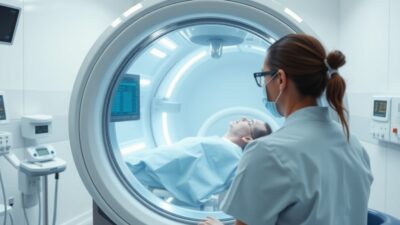
Sessions are conducted in a monoplace (single-person) or multiplace (room-sized) hard-shell hyperbaric chamber. Soft-shell, low-pressure chambers used for home use typically operate at 1.3 ATA and are not the same as the clinical-grade chambers used in stroke studies.
Cost and Insurance
HBOT sessions for stroke recovery typically cost $150 to $350 per session at independent clinics. Hospital-based facilities may charge $500 to $1,000 or more per session.
A full 40-session protocol at an independent clinic runs approximately $6,000 to $14,000. At 60 sessions, the total can reach $21,000.
Insurance coverage is unlikely. HBOT is FDA-cleared for 14 specific conditions (including diabetic foot ulcers, decompression sickness, and radiation injury), but post-stroke rehabilitation is not among them. Most insurers consider HBOT for stroke “experimental” and deny coverage.
Some clinics offer package pricing, financing plans, or reduced rates for stroke patients committing to a full protocol. Always ask about these options before starting treatment.
Safety and Side Effects
HBOT for stroke recovery has a strong safety profile across published studies. Common side effects include:
- Ear and sinus pressure (most common, manageable with equalization techniques)
- Temporary myopia (nearsightedness, reversible after treatment stops)
- Fatigue after sessions
- Claustrophobia in monoplace chambers
Serious adverse events are rare. Oxygen toxicity seizures occur in fewer than 1 in 10,000 sessions. Barotrauma (pressure injury to ears or sinuses) can occur but is typically mild and preventable with proper protocols.
HBOT is contraindicated in patients with untreated pneumothorax and should be used with caution in those taking certain chemotherapy drugs (bleomycin, cisplatin) or who have severe congestive heart failure.
What to Expect as a Patient
Patients considering HBOT for stroke recovery should understand several important points:
- Improvement is not guaranteed. While 86% of patients in the Hadanny study improved, individual results vary based on stroke type, location, severity, and the viability of the penumbra.
- Results take time. Most patients in clinical studies did not report significant improvement until 20 to 40 sessions into their protocol.
- HBOT works best alongside rehabilitation. The therapy appears to prime the brain for recovery, but physical therapy, occupational therapy, and speech therapy remain essential components of stroke rehabilitation.
- Look for experienced providers. Seek clinics with hard-shell chambers capable of reaching 2.0 ATA, staffed by practitioners experienced in neurological HBOT protocols.
The Bottom Line
The evidence for HBOT in chronic stroke recovery is compelling but not yet definitive. The Efrati RCT remains the strongest study, demonstrating that neuroplasticity can be reactivated long after the conventional recovery window closes. Larger, multi-center, sham-controlled trials are needed to move HBOT from “promising” to “proven” for stroke rehabilitation.
For patients who have plateaued with conventional rehabilitation, HBOT represents a scientifically grounded option worth discussing with their medical team. The therapy is generally safe, the biological mechanisms are well-understood, and the clinical signal is strong enough to warrant serious consideration.
Related reading: Hyperbaric Chamber for Stroke Patients: Complete Guide
References
- Efrati S, Fishlev G, Bechor Y, et al. Hyperbaric oxygen induces late neuroplasticity in post stroke patients – randomized, prospective trial. PLoS ONE. 2013;8(1):e53716. doi:10.1371/journal.pone.0053716
- Hadanny A, Rittblat M, Bitterman M, et al. Hyperbaric oxygen therapy improves neurocognitive functions of post-stroke patients – a retrospective analysis. Restor Neurol Neurosci. 2020;38(1):93-108. doi:10.3233/RNN-190959
- Thom SR, Bhopale VM, Velazquez OC, et al. Stem cell mobilization by hyperbaric oxygen. Am J Physiol Heart Circ Physiol. 2006;290(4):H1378-H1386. doi:10.1152/ajpheart.00888.2005
- Bennett MH, Weibel S, Wasiak J, et al. Hyperbaric oxygen therapy for acute ischaemic stroke. Cochrane Database Syst Rev. 2014;(11):CD004954. doi:10.1002/14651858.CD004954.pub3
- Khairy S, et al. Anatomical and metabolic brain imaging correlation of neurological improvements following HBOT. J Med Case Rep. 2025;19:87. doi:10.1186/s13256-025-05577-5
Medical Disclaimer
The content on BaricBoost.com is for informational purposes only and is not intended as a substitute for professional medical advice, diagnosis, or treatment. Always seek the advice of your physician or other qualified health provider with any questions you may have regarding a medical condition. Never disregard professional medical advice or delay in seeking it because of something you have read on this website.

Author
Seph Fontane Pennock is the founder of BaricBoost.com and Regenerated.com, a clinic directory for regenerative medicine serving 10,000+ providers across the United States. He previously built and sold PositivePsychology.com, which grew to 19 million users and became the largest evidence-based positive psychology resource on the web. Seph brings direct experience as an HBOT patient, having completed protocols at clinics across three continents while navigating mold illness, systemic inflammation, and autoimmune conditions. His treatment journey includes hyperbaric oxygen therapy, peptide protocols, NAD+ therapy, and consultations with specialists from Dubai to Cape Town to Mexico. This combination of entrepreneurial track record and lived patient experience shapes everything published on BaricBoost.com. Every article is grounded in peer-reviewed research, informed by real clinical encounters, and written for patients making high-stakes treatment decisions. Seph's focus is on bringing transparency, scientific rigor, and practical guidance to the hyperbaric oxygen therapy space.