A 2023 systematic review and meta-analysis in BMJ Open by Chen and colleagues found HBOT significantly reduced pain in fibromyalgia patients across 9 studies (288 patients), with a pooled effect size (SMD) of -1.56. For migraines, controlled trials show high-dose oxygen can abort acute attacks, though evidence for prevention is weak. For complex regional pain syndrome, case series report improvement in patients who had failed conventional treatment. Evidence varies by condition, but the biological mechanism is consistent: HBOT reduces neuroinflammation and modulates central sensitization.
This page is a hub for our in-depth articles on HBOT and pain-related conditions. Each condition below gets a short summary of the evidence, with a link to the full article covering research, protocols, and practical considerations. We also point to our general resources on cost, side effects, and the broader research landscape.
A note on expectations: HBOT is not a painkiller in the conventional sense. It does not block pain signals in the short term the way an analgesic does. Its value in pain management comes from addressing upstream causes: hypoxic tissue, central sensitization, and unresolved inflammation. That means research timelines are longer and effects are sometimes subtle, but the potential for durable improvement is greater than symptom suppression alone. Persistent pain often travels with other long-term illness, which we map in our hub on HBOT for chronic conditions.
How Does HBOT Work for Pain & Inflammation?
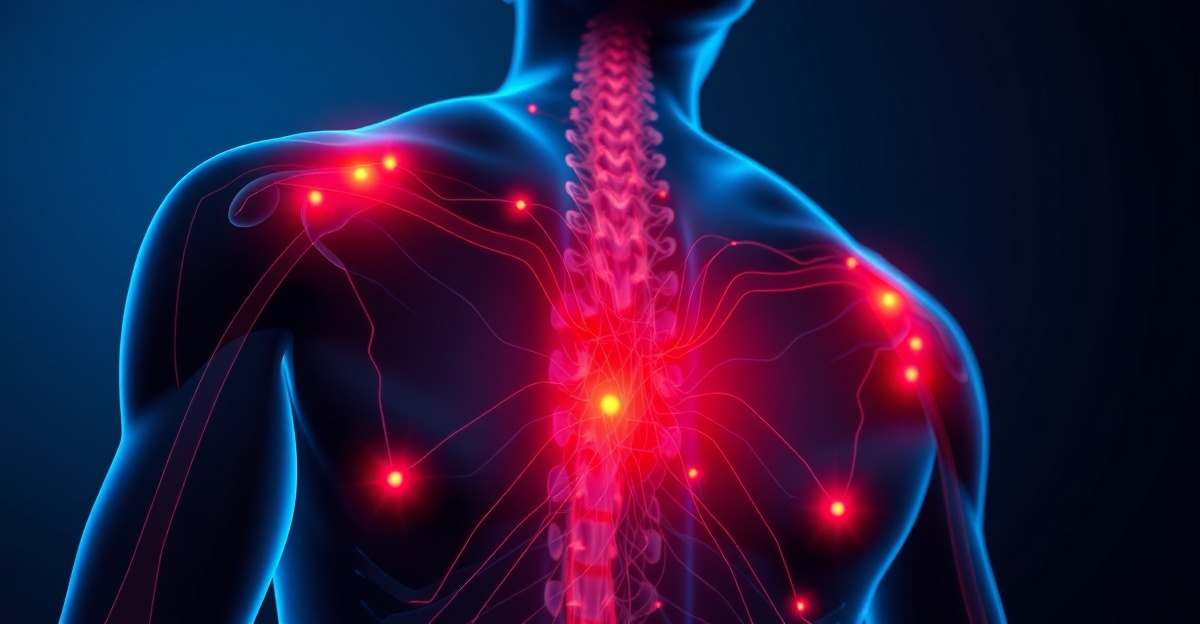
Pain that persists beyond the resolution of an acute injury is driven by a different set of mechanisms than acute pain. Central sensitization, where the nervous system becomes upregulated and amplifies pain signals even without ongoing tissue damage, is a major component of conditions like fibromyalgia. Neuroinflammation in the spinal cord and brain contributes to this sensitization. HBOT reduces neuroinflammation through several pathways, including suppression of pro-inflammatory cytokines and activation of anti-inflammatory genetic cascades mediated by HIF-1-alpha and Nrf2. A 2025 review by Fang and colleagues in Frontiers in Medicine details these mechanisms in rheumatic and immune-mediated disease.6 There is real biological rationale for why chronic pain patients may benefit.
In tissue-based pain (injuries, structural damage, compromised healing), HBOT works more directly. Pressurized oxygen saturates plasma and tissue fluid, delivering oxygen to areas of poor vascular supply where conventional circulation cannot reach. This accelerates the machinery of repair: collagen synthesis, fibroblast proliferation, and angiogenesis. For a broader overview of the published research base, see our HBOT research hub.
Which Pain Conditions Does HBOT Help?
HBOT Evidence by Pain Condition
| Condition | Best study | Protocol | Result |
|---|---|---|---|
| Fibromyalgia | Efrati et al., 2015 (PLOS ONE RCT) | 40 sessions, 2.0 ATA | Significant pain and tender-point reduction; SPECT-confirmed brain changes |
| Fibromyalgia (pooled) | Chen et al., 2023 (BMJ Open meta, 9 studies) | Varied | Pain reduced, SMD -1.56 (p<0.001); reversible side effects |
| Migraine | Bennett et al., 2015 (Cochrane); Myers 1995 | Acute abortive | Can terminate acute attacks; no good evidence for prevention |
| Neuropathy | Diabetic neuropathy trials | 2.0 ATA course | Improved nerve conduction and pain in some trials; moderate |
Fibromyalgia
Fibromyalgia is among the best-studied pain conditions in the context of HBOT. A randomized controlled trial in PLOS ONE by Efrati and colleagues showed that 40 sessions of HBOT at 2.0 ATA led to significant reductions in pain intensity and tender points, along with measurable changes on SPECT brain imaging, suggesting genuine neurological change rather than placebo.1 The pooled data agrees: the Chen 2023 BMJ Open meta-analysis of 9 studies (288 patients) found a large effect on pain (SMD -1.56), with adverse events limited and reversible.2 A prospective observational study by Atzeni and colleagues added supporting real-world data.5 The evidence here is stronger than for most other off-label HBOT applications. Read the full review in our article on HBOT for fibromyalgia.
Migraines
HBOT has been used as an acute abortive treatment for migraine attacks since the 1980s. A small preliminary trial by Myers and Myers in 1995 reported that hyperbaric oxygen relieved acute migraine in treated patients, and a 2015 Cochrane review by Bennett and colleagues concluded that HBOT and normobaric oxygen can terminate acute attacks, while evidence for migraine prevention was lacking.34 The research is largely older and methodologically variable. Our article on HBOT for migraines covers both acute and preventive uses with honest commentary on the evidence.
Neuropathy
Peripheral neuropathy, whether from diabetes, chemotherapy, or other causes, involves nerve damage driven partly by ischemia and oxidative stress. HBOT’s ability to increase oxygen delivery to peripheral nerves and reduce oxidative damage makes it a logical candidate. Clinical studies in diabetic peripheral neuropathy have shown improvements in nerve conduction velocity and pain scores in some trials. Evidence is moderate and not yet sufficient to recommend HBOT as a standard treatment, but results are consistently positive in the right patient population. Read more in our article on HBOT for neuropathy.
Ligament and Soft Tissue Damage
Ligament injuries are notoriously slow to heal because ligaments have poor vascular supply. HBOT addresses this by raising oxygen in hypoperfused tissue, stimulating fibroblast activity and collagen synthesis. Research here is largely from sports medicine, where athletes use HBOT to accelerate return-to-play timelines. The evidence is encouraging, particularly for partial tears and post-surgical ligament repair. See our full article on HBOT for ligament damage for protocols and realistic timelines.
Bone Repair
HBOT is FDA-cleared for osteoradionecrosis (bone death caused by radiation) and has a well-established role in supporting bone healing in compromised patients. More broadly, HBOT stimulates osteoblast activity, improves bone graft integration, and supports healing in fractures with poor blood supply. Athletes and orthopedic patients use HBOT for stress fractures and complex breaks. The evidence for standard bone repair is supportive, though it is used more as an adjunct than a standalone therapy. Our article on HBOT for bone repair covers both the medical and athletic contexts.
How Long Is an HBOT Course for Chronic Pain?
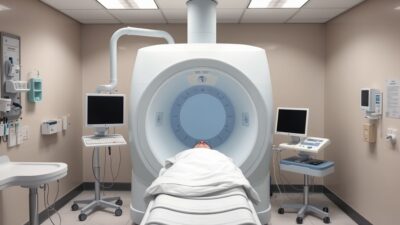
For chronic pain conditions, HBOT is not a single-session therapy. The research protocols that showed the clearest results in fibromyalgia and neuropathy typically involved 40 sessions, five days per week over eight weeks, at pressures of 2.0 ATA or higher. Each session lasts roughly 90 minutes inside a hard-shell hyperbaric chamber. Most patients report little discomfort beyond ear pressure during descent, managed with the same techniques as airplane travel.
Some patients notice changes early. Others see meaningful improvement only in the final third of a protocol, or in the weeks after completion. This pattern is consistent with the biology: rebuilding vascular networks and reducing central sensitization takes time, and the neurological changes driven by HBOT can continue after the sessions end. It is worth being realistic about what improvement looks like. Even in the most positive fibromyalgia trials, HBOT produced significant but not complete pain reduction in the majority of participants. Patients should enter treatment with clear expectations and a way to measure their baseline (pain diaries, functional assessments, validated questionnaires) so progress can be judged objectively.
How Do You Find the Right HBOT Clinic?
Not all hyperbaric facilities are equally suited for chronic pain applications. Hospital-based programs often focus almost exclusively on wound care and approved indications, and may be less experienced with the 40-session protocols used in fibromyalgia and neuropathy research. Independent HBOT clinics with experience in off-label neurological and pain applications may be better equipped to implement the right protocol, monitor your response, and adjust parameters. Ask prospective facilities how many patients they have treated for your specific condition, what protocol they use, and whether they have physicians on staff to oversee your course rather than delegating entirely to technicians.
What to Discuss With Your Doctor
If you have chronic pain and are considering HBOT, the conversation should start with mechanism: what is driving your pain? HBOT is most likely to help when there is a clear component of inflammation, tissue hypoxia, or impaired healing. If your pain is primarily structural (a pinched nerve from a herniated disc, for example), HBOT alone is unlikely to resolve it, though it may reduce inflammatory contributions.
Ask about the pressure and number of sessions used in the research most relevant to your condition. Fibromyalgia trials typically used 2.0 ATA for 40 sessions. Acute migraine treatment uses different parameters. Matching your protocol to the research matters, because mild hyperbaric soft-shell chambers at 1.3 ATA operate well below the pressures used in most published pain studies. Be aware of the cost: 40 sessions at a clinical facility typically cost $4,000 to $10,000 out of pocket for off-label indications. See our hyperbaric chamber cost guide for a detailed breakdown, and review potential side effects of hyperbaric oxygen therapy before starting, particularly if you have conditions affecting the ears, lungs, or vision.
Pain and tissue recovery are closely linked. If you are dealing with post-surgical pain or sports injuries, our guide on HBOT for surgery and wound recovery covers the healing side of that picture, and the complete hyperbaric chamber guide explains pressures, chamber types, and how HBOT produces its effects.
Sources
- Efrati S, et al. Hyperbaric oxygen therapy can diminish fibromyalgia syndrome: prospective clinical trial. PLOS ONE. 2015;10(5):e0127012. DOI: 10.1371/journal.pone.0127012
- Chen X, You J, Ma H, Zhou M, Huang C. Efficacy and safety of hyperbaric oxygen therapy for fibromyalgia: a systematic review and meta-analysis. BMJ Open. 2023;13(1):e062322. DOI: 10.1136/bmjopen-2022-062322
- Myers DE, Myers RA. A preliminary report on hyperbaric oxygen in the relief of migraine headache. Headache. 1995;35(4):197-199. DOI: 10.1111/j.1526-4610.1995.hed3504197.x
- Bennett MH, French C, Schnabel A, Wasiak J, Kranke P. Normobaric and hyperbaric oxygen therapy for the treatment and prevention of migraine and cluster headache. Cochrane Database Syst Rev. 2015;(12):CD005219. DOI: 10.1002/14651858.CD005219.pub3
- Atzeni F, et al. Hyperbaric oxygen treatment of fibromyalgia: a prospective observational clinical study. Clin Exp Rheumatol. 2019;37 Suppl 116(1):63-69. PMID: 30747099
- Fang J, et al. Clinical efficacy and mechanisms of hyperbaric oxygen therapy in the treatment of rheumatic and immune diseases. Front Med. 2025;12:1706637. DOI: 10.3389/fmed.2025.1706637
Medical Disclaimer
The content on BaricBoost.com is for informational purposes only and is not intended as a substitute for professional medical advice, diagnosis, or treatment. Always seek the advice of your physician or other qualified health provider with any questions you may have regarding a medical condition. Never disregard professional medical advice or delay in seeking it because of something you have read on this website.

Author
Seph Fontane Pennock is the founder of BaricBoost.com and Regenerated.com, a clinic directory for regenerative medicine serving 10,000+ providers across the United States. He previously built and sold PositivePsychology.com, which grew to 19 million users and became the largest evidence-based positive psychology resource on the web. Seph brings direct experience as an HBOT patient, having completed protocols at clinics across three continents while navigating mold illness, systemic inflammation, and autoimmune conditions. His treatment journey includes hyperbaric oxygen therapy, peptide protocols, NAD+ therapy, and consultations with specialists from Dubai to Cape Town to Mexico. This combination of entrepreneurial track record and lived patient experience shapes everything published on BaricBoost.com. Every article is grounded in peer-reviewed research, informed by real clinical encounters, and written for patients making high-stakes treatment decisions. Seph's focus is on bringing transparency, scientific rigor, and practical guidance to the hyperbaric oxygen therapy space.