High-flow 100 percent oxygen is the immediate treatment for carbon monoxide poisoning, and hyperbaric oxygen therapy (HBOT) is the standard of care for severe cases. CO poisoning kills roughly 400 Americans and sends about 50,000 to emergency departments each year, according to the CDC.7 The landmark Weaver 2002 trial found HBOT cut delayed neurological damage from 46.1 percent to 25.0 percent, a number needed to treat of 5. The clinical question is no longer whether HBOT works for severe poisoning, but which patients need it.
How does carbon monoxide poison the body?
Carbon monoxide binds to hemoglobin with 200 to 250 times the affinity of oxygen, forming carboxyhemoglobin (COHb). This does two things: it prevents hemoglobin from carrying oxygen, and it shifts the oxygen-hemoglobin dissociation curve to the left, so the remaining oxyhemoglobin holds its oxygen more tightly and releases less to tissues.
The damage goes beyond simple oxygen deprivation. As Rose and colleagues detail in their 2017 review, CO also binds myoglobin (impairing cardiac muscle), inhibits cytochrome c oxidase (disrupting mitochondrial respiration), and drives oxidative and inflammatory injury in the central nervous system.2 This is why patients can still develop brain injury even after COHb levels normalize. The brain and heart are most vulnerable: myocardial injury is common in moderate-to-severe poisoning, and neurological damage ranges from headache and confusion to coma, seizures, and permanent cognitive impairment.
Key terms
- Carboxyhemoglobin (COHb): hemoglobin bound to carbon monoxide instead of oxygen; its blood level indicates exposure severity.
- Normobaric oxygen: 100 percent oxygen delivered at normal atmospheric pressure, usually through a tight-fitting non-rebreather mask.
- Delayed neurological sequelae (DNS): new neurological or cognitive symptoms that appear days to weeks after apparent recovery from CO poisoning.
What is the first treatment for CO poisoning?
Every patient with confirmed or suspected CO poisoning receives 100 percent oxygen through a tight-fitting non-rebreather mask as soon as possible. This is not optional and should not be delayed for lab results. Raising inspired oxygen from 21 percent (room air) to 100 percent dramatically accelerates the removal of CO from hemoglobin.
How oxygen speeds CO removal
| Oxygen delivery method | CO half-life |
|---|---|
| Room air (21% O2) | 320 minutes (5.3 hours) |
| 100% O2, non-rebreather mask | 80 minutes (1.3 hours) |
| 100% O2, HBOT at 2.5 to 3.0 ATA | 23 minutes |
Normobaric 100 percent oxygen continues until COHb falls below 5 percent and symptoms resolve. In mild cases (brief exposure, no loss of consciousness, COHb below 15 percent), normobaric oxygen alone is often sufficient.
When is HBOT used for CO poisoning?
HBOT is an FDA-cleared and Medicare-covered indication for CO poisoning and is the standard of care for severe cases.6 The Undersea and Hyperbaric Medical Society recommends HBOT for CO poisoning that meets any of these criteria:
- Loss of consciousness at any point during exposure
- COHb above 25 percent (or above 15 percent in pregnancy)
- Neurological signs: confusion, ataxia, seizures, focal deficits
- Cardiac involvement: ischemia, arrhythmia, elevated troponin
- Pregnancy (fetal hemoglobin binds CO with even higher affinity than adult hemoglobin)
- Persistent symptoms after 4 to 6 hours of normobaric oxygen
What does the Weaver trial show?
The most influential study on HBOT for CO poisoning is Weaver and colleagues in the New England Journal of Medicine in 2002. This double-blind randomized trial assigned 152 patients with acute CO poisoning to three sessions of HBOT or three sessions of normobaric oxygen within 24 hours, with delayed neurological sequelae at 6 weeks as the primary outcome.1 At the interim analysis (76 patients per group), the results were clear:
- HBOT group: 25.0 percent developed DNS (19 of 76)
- Control group: 46.1 percent developed DNS (35 of 76)
- Absolute risk reduction: about 21 percentage points
- Number needed to treat: 5 (one case of DNS prevented for every 5 patients treated)
The benefit persisted at 12-month follow-up, and the HBOT group performed better on tests of attention, processing speed, and memory.
The evidence is not entirely one-sided. A 2011 Cochrane review by Buckley and colleagues pooled six randomized trials and concluded that the existing trials do not establish a consistent benefit of HBOT over normobaric oxygen, partly because trials differed in design, timing, and outcome definitions.4 Weaver remains the strongest single trial and drives current practice for severe cases, but the pooled picture is why HBOT is reserved for severe poisoning rather than applied to everyone.
What does the HBOT protocol look like?
The standard protocol, based on the Weaver trial and UHMS guidance:
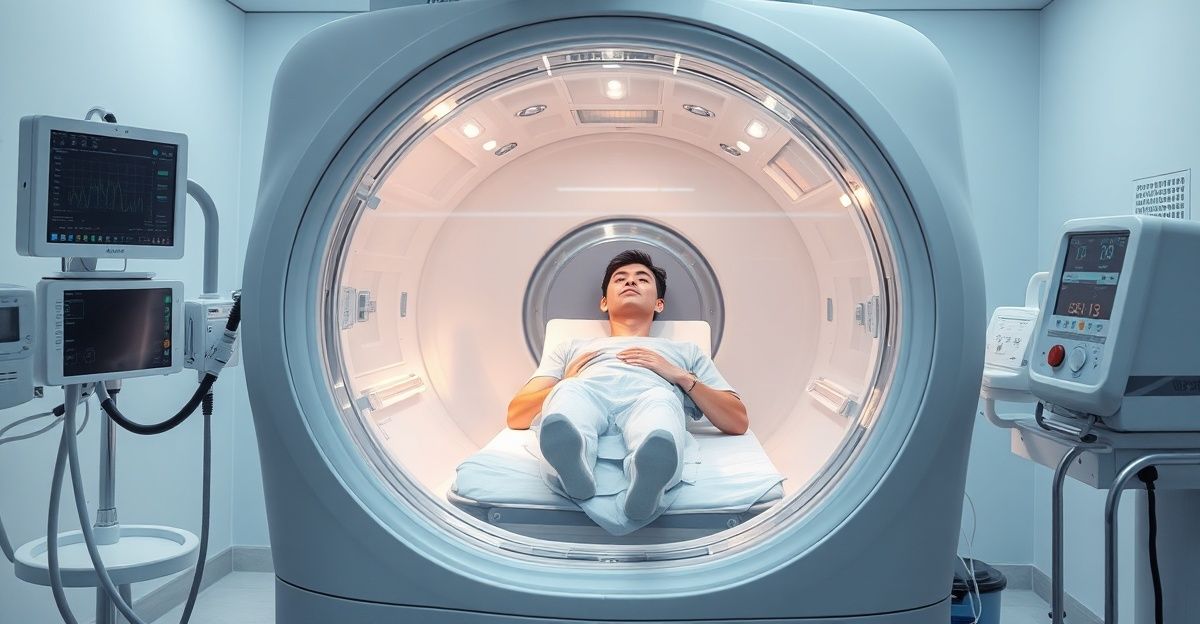
- First session: 3.0 ATA for 25 minutes, then 2.0 ATA for 90 minutes (about 150 minutes total), given as soon as possible after poisoning
- Second session: 2.0 ATA for 90 minutes, 6 to 12 hours after the first
- Third session: 2.0 ATA for 90 minutes, 6 to 12 hours after the second
Timing matters. HBOT appears most effective when the first session is delivered within 6 hours of exposure. Benefit diminishes beyond 24 hours, though some centers treat up to 72 hours later if symptoms persist.
What are delayed neurological effects of CO poisoning?
Delayed neurological sequelae is the most feared complication. After an initial period of apparent recovery (the “lucid interval”), patients develop new neurological symptoms 2 to 40 days later. The mechanism involves delayed demyelination, lipid peroxidation, and inflammatory damage in white matter and the basal ganglia, a process Thom’s work on oxidative stress in CO injury helped define.5 Symptoms include memory impairment and poor concentration, personality changes such as apathy or irritability, parkinsonian movement disorders, gait disturbance, and urinary incontinence.
Without HBOT, DNS occurs in roughly 25 to 46 percent of patients with significant exposure. With HBOT for severe cases, that risk drops toward the lower end. In most cases DNS resolves within a year, but a minority of affected patients have persistent cognitive deficits.
How is CO poisoning severity managed?
CO poisoning severity and treatment
| Severity | Criteria | Treatment |
|---|---|---|
| Mild | COHb under 15%, brief exposure, headache only, no loss of consciousness | 100% O2 via non-rebreather until COHb under 5% and symptom-free |
| Moderate | COHb 15 to 25%, prolonged exposure, confusion, no loss of consciousness | 100% O2 initially; consider HBOT, especially with cardiac or neurological signs |
| Severe | COHb above 25%, loss of consciousness, seizure, cardiac involvement, pregnancy | HBOT as soon as possible (3 sessions within 24 hours) |
| Critical | Coma, cardiovascular collapse | Intubation, 100% O2, emergent HBOT, ICU management |
A practical constraint: not every hospital has a hyperbaric chamber. Many US HBOT facilities are outpatient wound-care centers not equipped for emergencies, so critical patients may need transport to a center with 24/7 hyperbaric capability.
Why is CO poisoning the clearest case for oxygen therapy?
Carbon monoxide poisoning is one of the strongest indications for oxygen therapy in all of medicine. Normobaric 100 percent oxygen is life-saving and must start immediately. For severe cases, HBOT shortens the carboxyhemoglobin half-life from 80 minutes to about 23 minutes and, more importantly, reduces the risk of delayed brain damage, with a number needed to treat of 5 that few medical interventions match. If you or someone near you is exposed to carbon monoxide, call 911, get to fresh air, and seek emergency care. For how this compares with other approved uses, see our guides to off-label versus cleared HBOT and documented HBOT success rates.
Sources
- Weaver LK, Hopkins RO, Chan KJ, et al. “Hyperbaric oxygen for acute carbon monoxide poisoning.” New England Journal of Medicine, 2002;347(14):1057-1067. doi:10.1056/NEJMoa013121. PMID: 12362006
- Rose JJ, Wang L, Xu Q, et al. “Carbon Monoxide Poisoning: Pathogenesis, Management, and Future Directions of Therapy.” American Journal of Respiratory and Critical Care Medicine, 2017;195(5):596-606. doi:10.1164/rccm.201606-1275CI. PMID: 27753502
- Hampson NB. “Carboxyhemoglobin: a primer for clinicians.” Undersea & Hyperbaric Medicine, 2018;45(2):165-171. PMID: 29734568
- Buckley NA, Juurlink DN, Isbister G, Bennett MH, Lavonas EJ. “Hyperbaric oxygen for carbon monoxide poisoning.” Cochrane Database of Systematic Reviews, 2011;(4):CD002041. doi:10.1002/14651858.CD002041.pub3
- Thom SR. “Oxidative stress is fundamental to hyperbaric oxygen therapy.” Journal of Applied Physiology, 2009;106(3):988-995. doi:10.1152/japplphysiol.91004.2008
- Centers for Medicare & Medicaid Services. “National Coverage Determination (NCD) for Hyperbaric Oxygen Therapy (20.29).” CMS.gov
- Centers for Disease Control and Prevention. “Carbon Monoxide Poisoning: Frequently Asked Questions.” cdc.gov
Medical Disclaimer
The content on BaricBoost.com is for informational purposes only and is not intended as a substitute for professional medical advice, diagnosis, or treatment. Always seek the advice of your physician or other qualified health provider with any questions you may have regarding a medical condition. Never disregard professional medical advice or delay in seeking it because of something you have read on this website.

Author
Seph Fontane Pennock is the founder of BaricBoost.com and Regenerated.com, a clinic directory for regenerative medicine serving 10,000+ providers across the United States. He previously built and sold PositivePsychology.com, which grew to 19 million users and became the largest evidence-based positive psychology resource on the web. Seph brings direct experience as an HBOT patient, having completed protocols at clinics across three continents while navigating mold illness, systemic inflammation, and autoimmune conditions. His treatment journey includes hyperbaric oxygen therapy, peptide protocols, NAD+ therapy, and consultations with specialists from Dubai to Cape Town to Mexico. This combination of entrepreneurial track record and lived patient experience shapes everything published on BaricBoost.com. Every article is grounded in peer-reviewed research, informed by real clinical encounters, and written for patients making high-stakes treatment decisions. Seph's focus is on bringing transparency, scientific rigor, and practical guidance to the hyperbaric oxygen therapy space.