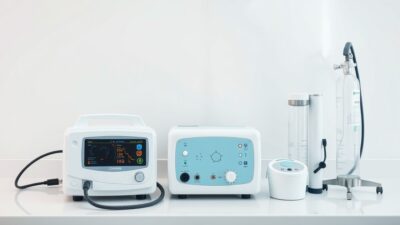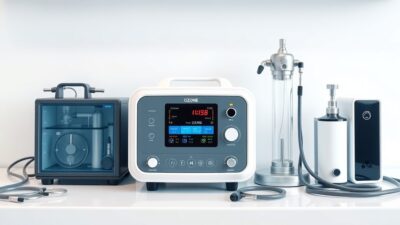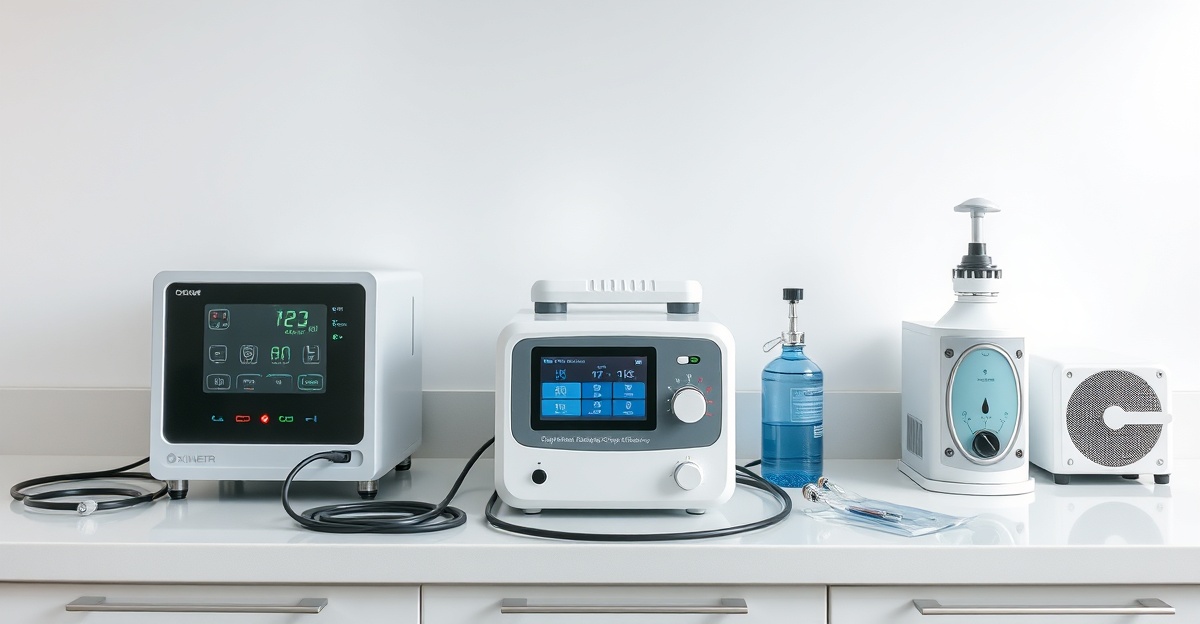
Oxygen wound therapy at home uses portable devices that deliver continuous, low-flow oxygen directly to chronic wounds, accelerating healing without requiring visits to a hyperbaric chamber. Devices like NATROX O2 and TWO2 (Topical Wound Oxygen) have moved wound oxygen therapy from hospitals into patients’ living rooms. A landmark randomized controlled trial found that topical oxygen therapy healed 41.7% of chronic diabetic foot ulcers at 12 weeks, compared to just 13.5% with standard care alone.1
This guide covers how home oxygen wound therapy works, who qualifies, the clinical evidence, costs, insurance coverage, and when to escalate to clinical hyperbaric oxygen therapy (HBOT).
Key Takeaways
- Portable topical oxygen devices deliver continuous oxygen directly to wound beds at home, 24 hours a day.
- The TWO2 RCT showed a 41.7% wound closure rate at 12 weeks vs. 13.5% with sham treatment (p = 0.007).1
- NATROX O2 patients had a 71% greater chance of healing compared to standard care alone.2
- Device rental typically costs to per month. Medicare covers some topical oxygen devices.
- Home topical oxygen is not a replacement for HBOT in severe cases but works well for chronic, non-healing wounds.
How Home Oxygen Wound Therapy Works
Chronic wounds often stall because the tissue around them is hypoxic (oxygen-starved). Without adequate oxygen, cells cannot produce the energy needed for tissue repair, fight infection, or build new blood vessels. Home oxygen wound therapy addresses this directly.
The basic mechanism: A small, portable device generates pure oxygen and delivers it through a thin tube to a specialized dressing placed over the wound. The oxygen diffuses along a concentration gradient from the dressing into the hypoxic wound bed, raising local oxygen levels where they matter most.
This is different from breathing supplemental oxygen through a nasal cannula. Inhaled oxygen raises blood oxygen saturation, but that extra oxygen often cannot reach chronic wound tissue because the local blood supply is compromised. Topical oxygen bypasses the vascular system entirely and delivers oxygen right where it is needed.
Leading Home Oxygen Wound Devices
NATROX O2
The NATROX system uses a small, battery-powered electrochemical generator that splits atmospheric water vapor to produce pure, humidified oxygen. The oxygen travels through a fine tube to a thin, flexible “oxygen distribution system” (ODS) placed over the wound under a standard dressing.2
Key features of NATROX O2:
- Continuous 24/7 oxygen delivery
- Battery-powered and truly portable (patients can move freely)
- Works under any standard wound dressing
- No external oxygen tanks required
- Lightweight generator weighs under 100 grams
TWO2 (Topical Wound Oxygen)
The TWO2 system delivers cyclical pressurized topical oxygen to wound beds. It uses a specialized boot or chamber that surrounds the wound area and delivers oxygen at controlled pressures in timed cycles.
The TWO2 system was validated in the largest randomized, double-blinded, placebo-controlled trial ever conducted for topical oxygen wound therapy.1
Clinical Evidence for Home Oxygen Wound Therapy
The evidence base for topical wound oxygen has grown substantially in recent years. Here are the key studies.
The TWO2 Study (2020)
This multinational, multicenter, randomized, double-blinded, placebo-controlled trial enrolled patients with chronic diabetic foot ulcers and randomized them to active TWO2 therapy or sham control, both in addition to optimal standard of care.1
“At 12 weeks, the active TWO2 arm achieved a 41.7% closure rate compared with 13.5% in the sham arm, with an odds ratio of 4.57 (p = 0.010).”
Frykberg et al., Diabetes Care, 2020
At 12 months follow-up, 56% of wounds in the active arm were closed compared to 27% in the sham arm (p = 0.013). This is Level 1 clinical evidence, the highest standard in medicine.
The NATROX OTONAL Trial (2024)
The OTONAL (Observational Clinical Trial Examining the Effect of Topical Oxygen Therapy on the Rates of Healing of Chronic Diabetic Foot Ulcers) study found that wound closure of greater than 75% was achieved in 70% of patients (14 out of 20) treated with NATROX O2.3
Systematic Review and Meta-Analysis
A systematic review and meta-analysis of randomized controlled trials on topical oxygen therapy for diabetic foot ulcers confirmed that topical oxygen significantly improves wound healing rates compared to standard care.4
Who Qualifies for Home Oxygen Wound Therapy?
Home topical oxygen therapy is typically prescribed for patients with chronic, non-healing wounds that have not responded to standard wound care for 30 or more days. Common qualifying conditions include:
- Diabetic foot ulcers: The most studied indication, with Level 1 evidence supporting use
- Venous leg ulcers: One study showed 80% complete healing at 12 weeks with TWO2 vs. 35% with compression alone
- Pressure ulcers (bedsores): Particularly in patients with limited mobility
- Arterial insufficiency ulcers: When blood flow is too poor for adequate wound oxygenation
- Post-surgical wounds: Non-healing surgical sites, especially in patients with diabetes or vascular disease
- Radiation-induced wounds: Tissue damaged by cancer radiation therapy
Your wound care specialist or podiatrist determines whether topical oxygen therapy is appropriate based on wound type, duration, size, and your overall health status.
How to Use Oxygen Wound Therapy at Home
Using a home topical oxygen device involves these steps:
1. Wound assessment. Your provider evaluates the wound and prescribes the appropriate device and protocol.
2. Device setup. For NATROX-type devices, the oxygen distribution system is placed directly over the clean wound bed, secured with a standard dressing. The generator connects via a thin tube.
3. Continuous wear. Most devices are designed for 24/7 use. You wear the device continuously, removing it only for dressing changes (typically every 2 to 3 days).
4. Dressing changes. Follow your provider’s instructions for wound cleaning and dressing changes. The ODS is replaced at each change.
5. Monitoring. Regular follow-up appointments (weekly or biweekly) track wound size, depth, and healing progress. Photos are often used to document improvement.
Proper wound care alongside oxygen. Topical oxygen works best when combined with good wound hygiene: regular cleaning, appropriate moisture balance, offloading pressure from the wound area, infection management, and adequate nutrition (particularly protein and vitamin C).
Cost and Insurance Coverage
Home topical oxygen wound therapy costs vary depending on the device and rental duration:
| Cost Category | Typical Range |
|---|---|
| Device rental (monthly) | to |
| Consumables (dressings, ODS) | to per month |
| Total monthly cost | to |
| Typical treatment duration | 8 to 16 weeks |
Medicare coverage: Medicare has specific coverage criteria for topical oxygen therapy devices. Coverage typically requires documentation that the wound has not healed with standard care for at least 30 days, the wound is a qualifying type (diabetic foot ulcer, for example), and a physician has ordered the device. Check with your Medicare carrier for specific requirements.
Private insurance: Coverage varies widely. Some commercial insurers cover topical oxygen devices for diabetic foot ulcers based on the Level 1 evidence from the TWO2 trial. Prior authorization is usually required.
Home Topical Oxygen vs. Clinical HBOT
Home topical oxygen therapy and clinical hyperbaric oxygen therapy (HBOT) both use oxygen to promote wound healing, but they work differently. Here is how they compare:
| Feature | Home Topical Oxygen | Clinical HBOT |
|---|---|---|
| Delivery | Directly to wound surface | Whole-body pressurized chamber |
| Mechanism | Topical diffusion into wound | Systemic oxygen via bloodstream |
| Location | Home (24/7) | Clinic (60-90 min sessions) |
| Session frequency | Continuous | 5 days/week, 30-40 sessions |
| Cost per month | to | ,000 to ,000 |
| Evidence level | Level 1 (RCT) | Level 1 (multiple RCTs) |
| Best for | Chronic surface wounds | Deep tissue injury, bone infection |
Topical oxygen therapy and HBOT are not mutually exclusive. Some patients use topical oxygen at home between HBOT sessions, or transition to home topical oxygen after completing a course of HBOT.
When to Escalate to Clinical HBOT
Home topical oxygen therapy is effective for many chronic wounds, but certain situations call for clinical HBOT. Consider escalating if:
- The wound involves deep tissue, bone, or joint structures (osteomyelitis)
- There is significant surrounding tissue compromise (large area of ischemia)
- The wound shows signs of serious infection despite treatment
- No measurable improvement after 4 to 6 weeks of topical oxygen therapy
- The wound is a result of radiation injury (radiation necrosis)
- You have compromised flaps or grafts that need support
Your wound care provider can help determine when clinical HBOT is a better option. For more on HBOT for wound healing, see our guide on oxygen therapy at home.
Portable Oxygen Therapy Kit: What You Need
If your provider prescribes home oxygen wound therapy, your portable oxygen therapy kit typically includes:
- Oxygen generator unit: The battery-powered device that produces pure oxygen
- Oxygen distribution systems (ODS): Thin, flexible membranes placed over the wound (replaced at each dressing change)
- Connecting tubing: Fine tube connecting the generator to the ODS
- Batteries/charger: Rechargeable batteries for the generator
- Carrying case: For portability during daily activities
- Wound care supplies: Secondary dressings, cleansing solution, and skin prep wipes
Frequently Asked Questions
Can I shower with the device on?
No. Remove the device and dressing before showering. Clean the wound as directed by your provider, apply a fresh ODS, and reconnect the device after your skin is dry.
How long before I see results?
Most patients see measurable wound size reduction within 2 to 4 weeks. Full healing timelines vary based on wound size, type, and individual health factors. The TWO2 trial measured outcomes at 12 weeks.
Is home oxygen wound therapy painful?
No. The devices are non-invasive and painless. Some patients report a slight cooling sensation from the oxygen flow.
Do I need a prescription?
Yes. Home topical oxygen wound devices require a prescription from a physician, typically a wound care specialist, podiatrist, or vascular surgeon.
The Bottom Line
Home oxygen wound therapy represents a meaningful advance for patients with chronic, non-healing wounds. The evidence is strong: Level 1 data from the TWO2 trial shows significantly better healing rates compared to standard care alone. Devices like NATROX O2 make it possible to receive continuous wound oxygenation without daily clinic visits.
If you have a chronic wound that has not responded to standard treatment for 30 days or more, ask your wound care provider whether home topical oxygen therapy could be right for you.
- Frykberg RG, et al. A multinational, multicenter, randomized, double-blinded, placebo-controlled trial to evaluate the efficacy of cyclical topical wound oxygen (TWO2) therapy in the treatment of chronic diabetic foot ulcers. Diabetes Care. 2020;43(3):616-624. DOI: 10.2337/dc19-0476
- NATROX Wound Care. Topical oxygen therapy for chronic wounds: a report on the potential of NATROX. natroxwoundcare.com
- Serena TE, et al. An observational clinical trial examining the effect of topical oxygen therapy (NATROX) on the rates of healing of chronic diabetic foot ulcers (OTONAL Trial). International Wound Journal. 2024. DOI: 10.1111/iwj.14846
- Thanigaimani S, et al. Topical oxygen therapy for healing diabetic foot ulcers: a systematic review and meta-analysis of randomised control trials. Journal of Foot and Ankle Research. 2022. DOI: 10.1016/S2772-6320(22)00017-4
Medical Disclaimer
The content on BaricBoost.com is for informational purposes only and is not intended as a substitute for professional medical advice, diagnosis, or treatment. Always seek the advice of your physician or other qualified health provider with any questions you may have regarding a medical condition. Never disregard professional medical advice or delay in seeking it because of something you have read on this website.

Author
Seph Fontane Pennock is the founder of BaricBoost.com and Regenerated.com, a clinic directory for regenerative medicine serving 10,000+ providers across the United States. He previously built and sold PositivePsychology.com, which grew to 19 million users and became the largest evidence-based positive psychology resource on the web. Seph brings direct experience as an HBOT patient, having completed protocols at clinics across three continents while navigating mold illness, systemic inflammation, and autoimmune conditions. His treatment journey includes hyperbaric oxygen therapy, peptide protocols, NAD+ therapy, and consultations with specialists from Dubai to Cape Town to Mexico. This combination of entrepreneurial track record and lived patient experience shapes everything published on BaricBoost.com. Every article is grounded in peer-reviewed research, informed by real clinical encounters, and written for patients making high-stakes treatment decisions. Seph's focus is on bringing transparency, scientific rigor, and practical guidance to the hyperbaric oxygen therapy space.