Exercise with oxygen therapy (EWOT) combines physical exercise with breathing high-concentration oxygen, delivering more oxygen to your tissues than either activity could alone. Developed from decades of research by German physicist Manfred von Ardenne, EWOT has gained popularity among athletes, biohackers, and people seeking better circulation, faster recovery, and more energy.
The concept is straightforward. You exercise on a bike or treadmill while breathing 90-95% oxygen through a mask connected to a large reservoir bag. Your elevated heart rate pushes oxygen-saturated blood through your capillaries faster and deeper than normal breathing ever could.
But does it actually work? Here is what the research says, how to set it up, and whether it is worth the investment.
Key Takeaways
- EWOT involves exercising while breathing 90-95% concentrated oxygen from a reservoir bag
- Sessions typically last 15 minutes, making it far shorter than standard HBOT sessions
- Research shows improvements in arterial oxygen pressure lasting 3+ months after treatment
- A home EWOT system costs ,500-,000, compared to – per HBOT session
- Evidence is promising but limited, with most studies being small or non-randomized
What Is Exercise with Oxygen Therapy?
EWOT (pronounced “ee-wot”) is a therapy where you perform cardiovascular exercise while breathing concentrated oxygen. You wear a mask connected to a reservoir bag filled with 93-95% oxygen, then exercise at moderate to high intensity for 15 minutes.
The method traces back to Manfred von Ardenne, a German physicist who spent four decades researching oxygen and cellular metabolism. His 1990 book Oxygen Multistep Therapy: Physiological and Technical Foundations laid the scientific groundwork for what we now call EWOT.1
Von Ardenne’s central insight was that combining oxygen supplementation with exercise created a synergistic effect. Exercise increases heart rate and blood flow. High-concentration oxygen saturates the blood plasma beyond normal levels. Together, they push oxygen deeper into tissues, including areas where capillary function has declined.
How EWOT Works
Under normal conditions, you breathe air containing about 21% oxygen. Your hemoglobin (the oxygen-carrying protein in red blood cells) is already about 97% saturated at this level. So simply breathing more oxygen does not dramatically increase the oxygen carried by hemoglobin.
The key mechanism is different. EWOT increases the amount of oxygen dissolved directly in blood plasma. This dissolved oxygen can reach tissues that compromised capillaries might otherwise starve of oxygen.
Von Ardenne described a “capillary switching mechanism” where capillary walls become inflamed and swollen over time, restricting oxygen transfer to surrounding tissues. His research suggested this process is often reversible. By flooding the plasma with oxygen during exercise, when blood flow is at its fastest, EWOT can reduce capillary wall swelling and restore normal oxygen delivery.1
“In a clinical examination of 46 patients, about 2/3 experienced an increase of resting arterial oxygen pressure, with the effect continuing more than 3 months after the end of oxygen multistep therapy.”
Von Ardenne et al., 1981
What Does the Research Say?
The evidence base for EWOT is growing, though it remains smaller than what exists for hyperbaric oxygen therapy. Here are the key findings.
Arterial Oxygen and Endurance
A preliminary clinical study of 46 patients found that approximately two-thirds experienced a lasting increase in resting arterial oxygen pressure (PO2a) after oxygen multistep therapy. This improvement persisted for more than three months after treatment ended.2
Physical Performance
A double-blind study on 20 healthy male volunteers measured a 17% improvement in the energetic and oxygenation state of subjects two weeks after completing just two 15-minute EWOT sessions. The improvement was statistically significant.3
Exercise-Induced Oxygen Desaturation
In patients with exercise-induced low blood oxygen levels, 88% improved with EWOT. Improvements included better endurance time, higher oxygen saturation, reduced shortness of breath, and less leg fatigue.4
Long COVID Recovery
A study of 30 individuals with Long COVID who completed a 6-week supervised rehabilitation program using exercise with supplemental oxygen showed improvements in exercise capacity, respiratory symptoms, fatigue, and cognition.5
Exercise with Oxygen Therapy Benefits
Based on the available research and clinical observations, EWOT may support several areas of health.
Improved Circulation
The combination of exercise and high-concentration oxygen increases blood flow velocity while simultaneously increasing the oxygen available in plasma. This can help restore oxygen delivery to tissues served by compromised capillaries.
Energy Production
Oxygen is the final electron acceptor in the mitochondrial electron transport chain, the process that produces ATP (your cells’ primary energy currency). More oxygen availability at the cellular level can support more efficient ATP production.
Faster Recovery
Athletes use EWOT to accelerate recovery between training sessions. The increased oxygen delivery supports tissue repair, reduces inflammation, and helps clear metabolic waste products faster.
If you are comparing oxygen-based recovery methods, our EWOT vs HBOT comparison breaks down the differences in depth, cost, and clinical evidence.
Cognitive Function
The brain consumes roughly 20% of the body’s oxygen despite being only 2% of body weight. Improved cerebral oxygenation during and after EWOT sessions may support mental clarity, focus, and cognitive performance.
Anti-Aging and Longevity
Von Ardenne’s research connected declining capillary function with aging. He proposed that restoring capillary oxygen transfer could slow or partially reverse age-related decline in tissue function.1
EWOT Equipment and Setup
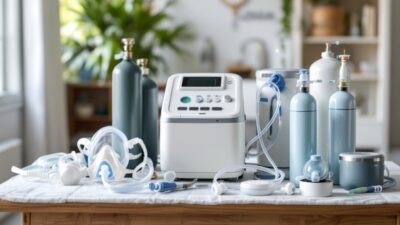
A complete home EWOT system includes several components.
| Component | Purpose | Cost Range |
|---|---|---|
| Oxygen concentrator | Generates 90-95% oxygen from room air | -,500 |
| Reservoir bag | Stores oxygen (typically 500-900 liters) | – |
| Breathing mask | Delivers oxygen during exercise | – |
| Exercise equipment | Stationary bike, treadmill, or rebounder | -,500 |
| Tubing and connectors | Connects concentrator to bag and mask | – |
Total cost for a complete home system ranges from ,500 to ,000, depending on the quality of components. Popular systems include LiveO2, Maxx O2, and One Thousand Roads.
Setting Up Your Home EWOT System
The setup process is relatively simple. The oxygen concentrator fills the reservoir bag over 30-60 minutes before your session. Once the bag is full, you put on the mask, start exercising, and breathe from the bag for the duration of your workout.
Most practitioners recommend a 5-liter or 10-liter per minute concentrator. Higher flow rates fill the bag faster but cost more. The concentrator runs continuously during your session to supplement what you are breathing from the bag.
EWOT Session Protocol
A standard EWOT session follows a simple structure.
- Fill the reservoir bag – Run the oxygen concentrator for 30-60 minutes to fill the bag
- Warm up – Begin exercising at a comfortable pace for 2-3 minutes
- Put on the mask – Start breathing from the reservoir bag
- Exercise at moderate-to-high intensity – Maintain a heart rate of 60-80% of your max for 15 minutes
- Cool down – Reduce intensity while continuing to breathe oxygen for 2-3 minutes
Sessions typically run 15 minutes of active exercise, far shorter than the 60-90 minute sessions common in hyperbaric oxygen therapy. Most protocols call for 3-5 sessions per week.
Adaptive Contrast Training
Some advanced EWOT systems like LiveO2 include an “adaptive contrast” feature. This alternates between high-concentration oxygen and reduced oxygen (simulating altitude) during the session. The contrast between low and high oxygen is thought to create a stronger physiological response, though research on this variation is still limited.
EWOT vs HBOT: Key Differences
Both EWOT and HBOT deliver extra oxygen to your body, but through fundamentally different mechanisms.
| Factor | EWOT | HBOT |
|---|---|---|
| Mechanism | Oxygen + exercise at normal pressure | Oxygen under increased atmospheric pressure |
| Oxygen concentration | 90-95% | 95-100% |
| Pressure | 1 ATA (normal) | 1.5-3.0 ATA |
| Session length | 15 minutes | 60-90 minutes |
| Cost per session | Free (home system) | – |
| Home use | Easy | Possible but expensive |
| FDA-cleared indications | None | 14 conditions |
| Research depth | Limited | Extensive |
HBOT has a much stronger evidence base and 14 FDA-cleared indications. EWOT has the advantage of convenience, lower cost, and shorter sessions. They are not mutually exclusive, and some people use both.
Safety and Side Effects
EWOT is generally considered safe for most people. Since it operates at normal atmospheric pressure (unlike HBOT), it avoids pressure-related risks like barotrauma.
Potential side effects are mild and uncommon:
- Lightheadedness during or after sessions
- Dry mouth or nose from oxygen flow
- Mild fatigue after initial sessions
People who should consult their doctor before starting EWOT include those with:
- Uncontrolled cardiovascular conditions
- Severe pulmonary disease
- Active infections or fever
- Pregnancy
Because EWOT involves exercise, standard exercise precautions apply. Start at lower intensities and build up gradually, especially if you have been sedentary.
Who Uses EWOT?
EWOT appeals to a wide range of people:
- Athletes seeking faster recovery and better performance
- People with chronic fatigue looking for energy support
- Older adults wanting to maintain circulation and cognitive function
- Biohackers optimizing cellular health and longevity
- Chronic disease patients exploring complementary therapies
Limitations of the Evidence
While the existing research is promising, it has clear limitations. Most EWOT studies are small (20-50 participants), few are randomized controlled trials, and many date back to the 1980s. The field lacks the large, well-funded clinical trials that HBOT has received.
Much of the foundational research comes from von Ardenne’s own laboratory, which introduces potential bias. Independent replication of his findings has been limited.
That said, the safety profile is favorable, the cost of home use is reasonable, and the time commitment is minimal. For people already exercising regularly, adding oxygen supplementation is a low-risk experiment.
The Bottom Line
Exercise with oxygen therapy offers a practical, affordable way to increase oxygen delivery to your tissues. The research, while limited, points to real benefits for circulation, endurance, and recovery. Von Ardenne’s four decades of work provide a plausible physiological framework, and modern clinical observations support his findings.
EWOT is not a replacement for HBOT when strong clinical evidence exists for a specific condition. But as a general health optimization tool, especially for home use, it fills a gap that HBOT cannot easily reach.
If you are considering EWOT, start with a basic system and 15-minute sessions three times per week. Track your energy levels, recovery time, and any measurable health markers. The investment is modest enough that personal experimentation makes sense.
Sources
- Von Ardenne M. Oxygen Multistep Therapy: Physiological and Technical Foundations. Georg Thieme Verlag, Stuttgart. 1990.
- Von Ardenne M, Klemm W. Preliminary results of a pilot study on the optimisation and clinical examination of oxygen multistep therapy. Agressologie. 1981;22(D):45-50. PMID: 7222733
- Von Ardenne M, Klemm W. Double-blind study on the long-lasting improvement of physical endurance following oxygen multistep therapy. Agressologie. 1984;25(5):543-544. PMID: 6711017
- Clinical Studies on EWOT. Optimal Breathing Self-Mastery Kit Research Archive. Available at: https://optimalbreathing.com/pages/clinical-studies
- Barker-Davies RM et al. The Stanford Hall consensus statement for post-COVID-19 rehabilitation. Br J Sports Med. 2020;54(16):949-959. doi: 10.1136/bjsports-2020-102596
Medical Disclaimer
The content on BaricBoost.com is for informational purposes only and is not intended as a substitute for professional medical advice, diagnosis, or treatment. Always seek the advice of your physician or other qualified health provider with any questions you may have regarding a medical condition. Never disregard professional medical advice or delay in seeking it because of something you have read on this website.

Author
Seph Fontane Pennock is the founder of BaricBoost.com and Regenerated.com, a clinic directory for regenerative medicine serving 10,000+ providers across the United States. He previously built and sold PositivePsychology.com, which grew to 19 million users and became the largest evidence-based positive psychology resource on the web. Seph brings direct experience as an HBOT patient, having completed protocols at clinics across three continents while navigating mold illness, systemic inflammation, and autoimmune conditions. His treatment journey includes hyperbaric oxygen therapy, peptide protocols, NAD+ therapy, and consultations with specialists from Dubai to Cape Town to Mexico. This combination of entrepreneurial track record and lived patient experience shapes everything published on BaricBoost.com. Every article is grounded in peer-reviewed research, informed by real clinical encounters, and written for patients making high-stakes treatment decisions. Seph's focus is on bringing transparency, scientific rigor, and practical guidance to the hyperbaric oxygen therapy space.