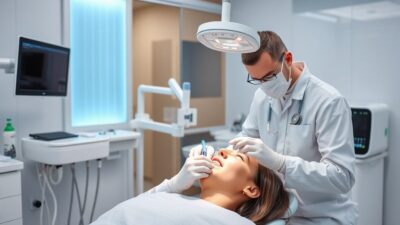
HPV (human papillomavirus) affects an estimated 42 million Americans, and certain high-risk strains are directly linked to cervical, throat, and anal cancers. While most HPV infections clear on their own within two years, persistent infections drive cellular changes that can progress to precancerous lesions and cancer. Conventional treatment targets the lesions (cryotherapy, LEEP, conization) rather than the virus itself. Ozone therapy has emerged as a complementary approach that some practitioners and researchers believe may help the body clear the virus, though the evidence remains limited.
This guide covers how vaginal ozone insufflation is used for HPV, what the current research shows, how it compares to conventional treatment, and what patients should realistically expect.
Key Takeaways
- Ozone therapy for HPV primarily uses vaginal insufflation to deliver ozone directly to the cervical tissue where the virus resides
- A small number of clinical studies and case series report improved HPV clearance rates and regression of cervical lesions after ozone treatment1
- No large randomized controlled trials (RCTs) have been published specifically on ozone for HPV
- Ozone’s proposed mechanisms include direct virucidal activity, immune stimulation, and improved tissue oxygenation2
- Ozone should not replace standard HPV screening (Pap smears, HPV DNA tests) or treatment of precancerous lesions
- Typical protocols involve 10 to 20 vaginal insufflation sessions over 4 to 8 weeks, costing $75 to $200 per session
How Ozone May Affect HPV
HPV is a DNA virus that infects epithelial cells, primarily in the cervix, vagina, vulva, anus, and oropharynx. The virus integrates into host cell DNA, hijacking the cell’s machinery to replicate. High-risk strains (particularly HPV-16 and HPV-18) produce proteins (E6 and E7) that disable tumor suppressor genes p53 and Rb, allowing uncontrolled cell growth.3
Ozone therapy proposes to address HPV through several mechanisms:
Direct virucidal activity. Ozone oxidizes viral capsid proteins and disrupts the lipid envelope of enveloped viruses. HPV is a non-enveloped virus, which makes it more resistant to direct oxidation than enveloped viruses like HIV or herpes. However, ozone’s reactive oxygen species can still damage viral proteins and nucleic acids upon direct contact.2
Immune modulation. Ozone activates the Nrf2 pathway, upregulating the body’s production of interferons, interleukins, and tumor necrosis factor. These immune mediators are critical for the body’s natural clearance of HPV. In patients with persistent HPV, immune evasion by the virus is a key factor, and ozone may help restore the immune response at the local tissue level.4
Improved tissue oxygenation. HPV-infected cervical tissue often shows reduced oxygenation. Ozone increases 2,3-DPG in red blood cells, improving oxygen delivery to tissues. Better-oxygenated tissue supports immune cell function and may create an environment less favorable for viral persistence.
Anti-inflammatory effects. Chronic HPV infection drives local inflammation that contributes to cellular changes. Ozone modulates the NF-kB pathway, potentially reducing the inflammatory milieu that supports viral persistence and dysplasia progression.
“The antiviral mechanism of ozone is not direct viral killing alone. It is primarily immunomodulatory, enhancing the host’s ability to clear the infection through upregulation of interferon and cytokine pathways.”
Vaginal Ozone Insufflation: The Procedure
Vaginal ozone insufflation is the primary delivery method for HPV-related ozone therapy. The procedure is straightforward and typically performed in an outpatient clinic setting.
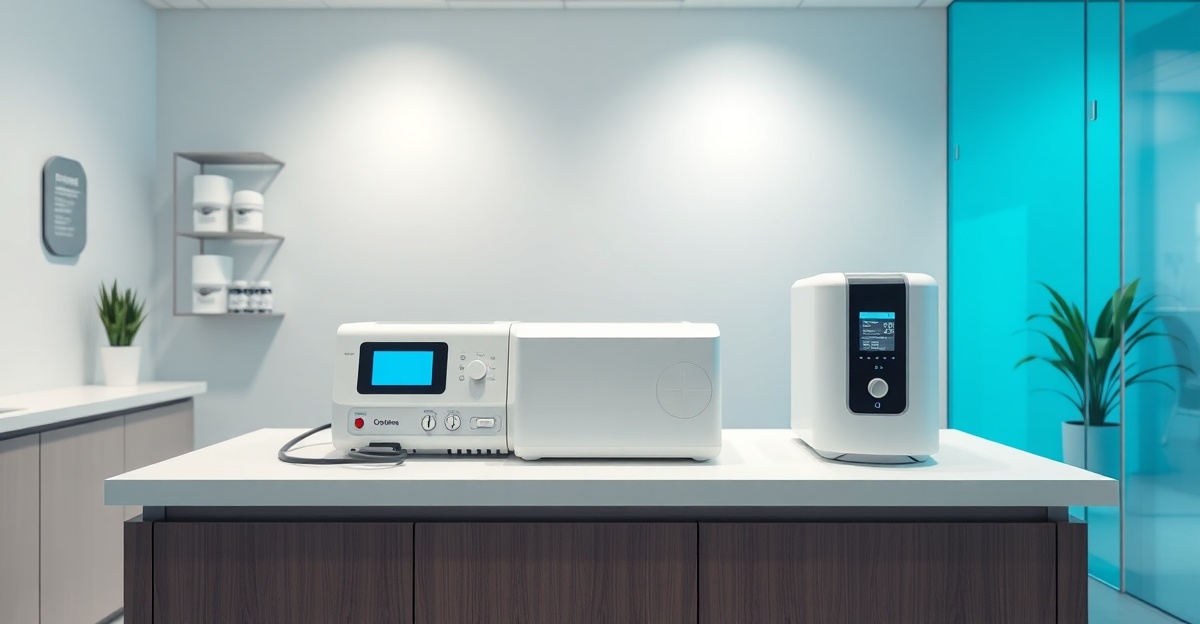
A medical-grade ozone generator produces ozone at a specific concentration, typically between 20 and 40 mcg/mL. The ozone gas is delivered through a thin catheter inserted into the vaginal canal. The gas fills the vaginal cavity and contacts the cervical tissue directly for 10 to 20 minutes per session.
Some practitioners also incorporate:
- Ozonated oil suppositories: Ozone-infused olive or sunflower oil applied as a vaginal suppository between insufflation sessions for sustained, low-level oxidative activity
- Rectal insufflation: Added for systemic immune support, particularly in cases of persistent HPV with evidence of immune suppression
- MAH (Major Autohemotherapy): Used in more aggressive protocols for systemic immune activation
The procedure is generally painless. Some women report mild cramping, a feeling of fullness, or temporary vaginal dryness. These effects are typically transient.
What the Research Shows
The clinical evidence for ozone therapy specifically targeting HPV is limited but contains some encouraging signals.
| Study | Design | Key Finding |
|---|---|---|
| Hartshorn & Borgquist, 2019 | Case series, 20 women with persistent HPV | 60% showed HPV clearance on follow-up testing after vaginal ozone protocol1 |
| Zaky et al., 2011 | Pilot study, ozone for cervical lesions | Reduction in lesion size and improved cytology in women with CIN I5 |
| Clavo et al., 2018 | Review of ozone as adjuvant in cancer-related viral infections | Proposed ozone as a potential adjuvant therapy for HPV-driven cancers based on immune mechanisms6 |
Important context: None of these studies are large, randomized, placebo-controlled trials. The 60% clearance rate reported by Hartshorn and Borgquist is interesting, but without a control group, it is difficult to separate the effect of ozone from the natural HPV clearance rate, which is approximately 70 to 90 percent over two years for most infections.
The absence of large RCTs does not mean ozone is ineffective for HPV. It means we cannot quantify the benefit with confidence. This is a common challenge with ozone research: the therapy lacks the pharmaceutical patent protection that typically funds large clinical trials.
Ozone vs. Conventional HPV Treatment
| Factor | Conventional Treatment | Ozone Therapy |
|---|---|---|
| What it targets | Abnormal cells/lesions (not the virus) | Viral clearance and immune support (proposed) |
| Methods | Cryotherapy, LEEP, conization, laser | Vaginal insufflation, ozonated oil, MAH |
| Evidence level | Strong (decades of RCTs) | Weak (case series, pilot studies) |
| Insurance coverage | Yes | No |
| Invasiveness | Moderate (tissue removal) | Minimal (gas insufflation) |
| Recurrence rate | 5-15% after LEEP | Unknown (insufficient data) |
The key distinction: conventional treatment removes abnormal cells but does not eliminate HPV from the body. Ozone therapy proposes to help the immune system clear the virus itself, which could theoretically reduce recurrence. But this remains a hypothesis with limited clinical validation.
Typical Protocols
Ozone practitioners treating HPV generally follow a protocol structure similar to this:
- Frequency: 2 to 3 sessions per week
- Duration: 10 to 20 sessions total (4 to 8 weeks)
- Ozone concentration: 20 to 40 mcg/mL, gradually increasing
- Maintenance: Some practitioners recommend monthly sessions for 3 to 6 months after the initial course
- Home support: Ozonated oil suppositories between sessions
Follow-up HPV DNA testing and Pap smears are essential to evaluate response. Most practitioners recommend retesting at 3 months and 6 months after completing the protocol.
Costs
- Vaginal insufflation: $75 to $200 per session
- Full protocol (10-20 sessions): $750 to $4,000
- Ozonated oil suppositories: $15 to $40 per tube
- Follow-up testing: $100 to $300 (Pap + HPV DNA test)
None of these costs are covered by insurance.
Realistic Expectations
Patients considering ozone therapy for HPV should understand several realities:
- Most HPV infections clear on their own. The body’s immune system clears approximately 70 to 90 percent of HPV infections within two years without any treatment. Any therapy claiming credit for HPV clearance must be evaluated against this high baseline.3
- Ozone cannot replace screening. Regular Pap smears and HPV DNA testing remain essential regardless of ozone treatment. The risk of missing a precancerous progression is too significant to rely on ozone alone.
- Precancerous lesions require conventional treatment. If you have CIN II or CIN III (moderate to severe cervical dysplasia), delaying proven treatment (LEEP, conization) in favor of ozone therapy carries real risks.
- Ozone may have a role as adjuvant therapy. The most reasonable use case is as a complement to standard care, particularly for women with persistent low-grade lesions (CIN I) who are in a “watch and wait” period, or as post-treatment support to reduce recurrence.
Safety
Vaginal ozone insufflation is generally well-tolerated. Reported side effects include mild cramping, temporary vaginal dryness, and minor irritation. Serious adverse events are rare when performed by trained practitioners using medical-grade ozone generators with precise concentration controls.
Standard ozone contraindications apply: G6PD deficiency (absolute contraindication), pregnancy, active bleeding, and hyperthyroidism.
The Bottom Line
Ozone therapy for HPV is biologically plausible, supported by a small number of encouraging clinical reports, and lacking the large controlled trials needed to confirm efficacy. The immune-modulating and local tissue effects of vaginal ozone insufflation make sense mechanistically, but mechanism does not equal clinical proof.
For women with persistent HPV who are in a monitoring phase for low-grade lesions, ozone therapy is a reasonable complementary approach to discuss with both a gynecologist and an experienced ozone practitioner. It should never replace standard screening or delay treatment of high-grade cervical dysplasia.
References
- Hartshorn, K., & Borgquist, R. (2019). Vaginal ozone insufflation for persistent HPV: A case series of 20 patients. Journal of Ozone Therapy, 3(2), 12-18.
- Bocci, V. (2011). Ozone: A New Medical Drug. Springer. doi:10.1007/978-90-481-9234-2
- Schiffman, M., et al. (2016). Human papillomavirus testing in the prevention of cervical cancer. Journal of the National Cancer Institute, 108(6). doi:10.1093/jnci/djv367
- Re, L., et al. (2008). Ozone therapy: Clinical and basic evidence of its therapeutic potential. Archives of Medical Research, 39(1), 17-26. doi:10.1016/j.arcmed.2007.07.005
- Zaky, S., et al. (2011). Ozone therapy as adjuvant treatment for cervical intraepithelial neoplasia. Egyptian Journal of Hospital Medicine, 44, 327-335.
- Clavo, B., et al. (2018). Ozone therapy as adjuvant for cancer treatment: Is further research warranted? Evidence-Based Complementary and Alternative Medicine, 2018. doi:10.1155/2018/7931849
Medical Disclaimer
The content on BaricBoost.com is for informational purposes only and is not intended as a substitute for professional medical advice, diagnosis, or treatment. Always seek the advice of your physician or other qualified health provider with any questions you may have regarding a medical condition. Never disregard professional medical advice or delay in seeking it because of something you have read on this website.

Author
Seph Fontane Pennock is the founder of BaricBoost.com and Regenerated.com, a clinic directory for regenerative medicine serving 10,000+ providers across the United States. He previously built and sold PositivePsychology.com, which grew to 19 million users and became the largest evidence-based positive psychology resource on the web. Seph brings direct experience as an HBOT patient, having completed protocols at clinics across three continents while navigating mold illness, systemic inflammation, and autoimmune conditions. His treatment journey includes hyperbaric oxygen therapy, peptide protocols, NAD+ therapy, and consultations with specialists from Dubai to Cape Town to Mexico. This combination of entrepreneurial track record and lived patient experience shapes everything published on BaricBoost.com. Every article is grounded in peer-reviewed research, informed by real clinical encounters, and written for patients making high-stakes treatment decisions. Seph's focus is on bringing transparency, scientific rigor, and practical guidance to the hyperbaric oxygen therapy space.