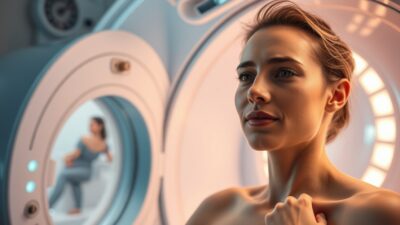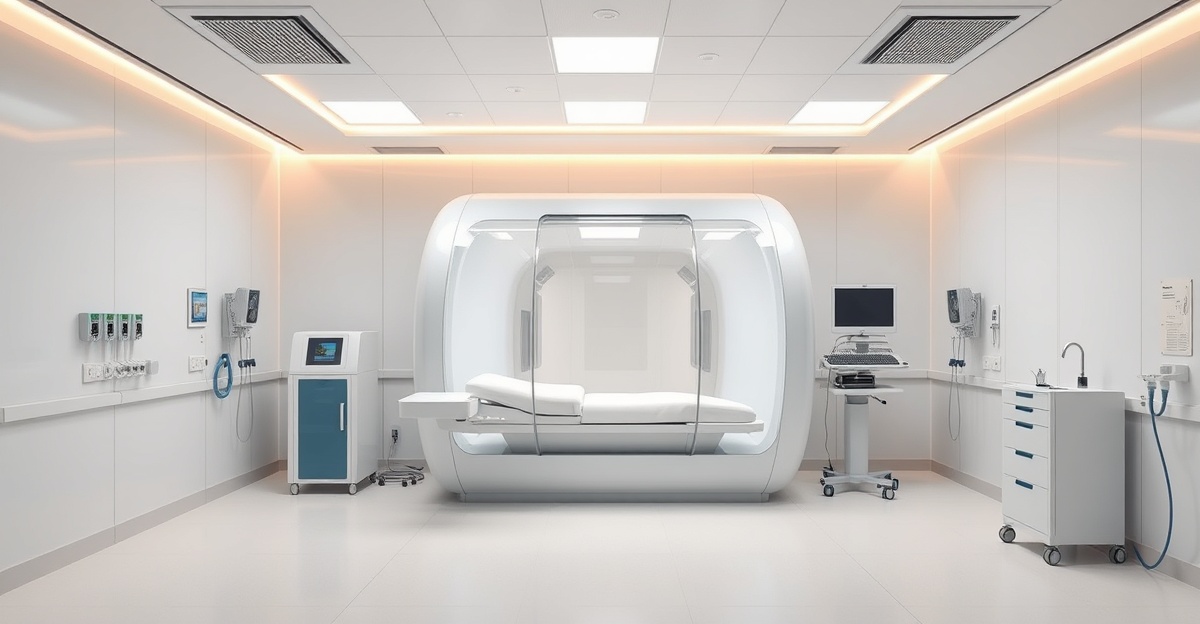
Recovery from injury, illness, or surgery is fundamentally a biological process that depends on oxygen. Every stage of healing, from the initial inflammatory response to collagen synthesis to scar remodeling, requires adequate oxygen delivery to tissue. When that delivery is compromised, recovery slows or stalls. Hyperbaric oxygen therapy (HBOT) addresses this directly by dramatically increasing available oxygen throughout the body. But recovery is a broad concept, and HBOT’s role varies significantly depending on what you’re recovering from. This is one of several HBOT for recovery conditions gaining attention in clinical practice.
The Biology of Recovery and Why Oxygen Matters
When tissue is damaged, whether by surgery, trauma, infection, or disease, the body mounts a coordinated healing response. Inflammatory cells arrive first to clear debris and pathogens. Fibroblasts then migrate into the wound and begin laying down collagen. Blood vessels grow into the new tissue (angiogenesis). Finally, the tissue remodels over months to years. Every step requires oxygen. Collagen synthesis is directly oxygen-dependent. Angiogenesis requires the growth factor VEGF, production of which is upregulated by hypoxia but whose action requires adequate oxygen. Immune cell killing capacity is enhanced in high-oxygen environments.
Standard care supports recovery through rest, nutrition, physical therapy, and medication. HBOT adds a physiological lever that these approaches can’t directly provide: forcing far more oxygen into plasma and tissue than breathing normal air can achieve.
Wound Healing Recovery
The clearest evidence for HBOT in recovery is in wound healing, specifically wounds that are failing to heal due to impaired circulation. Diabetic foot ulcers, arterial insufficiency wounds, and radiation-damaged tissue are the strongest applications. The dedicated wound healing and HBOT article covers this territory in depth.
Surgical Recovery
Post-surgical use of HBOT has genuine evidence for specific situations: compromised skin grafts, surgery in irradiated tissue, and bone infections. For routine surgical recovery in healthy patients, the evidence is much thinner. The post-surgical healing protocols article breaks down where the evidence does and doesn’t support post-surgical HBOT.
Athletic Recovery
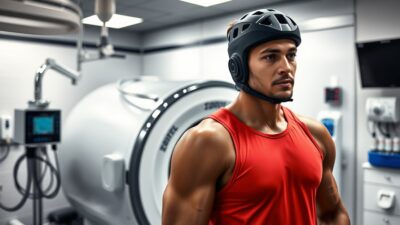
HBOT has attracted attention in elite sports for recovery from both acute injuries and the cumulative demands of high-intensity training. The theoretical rationale includes faster clearance of inflammatory mediators, improved muscle fiber repair, and reduced delayed onset muscle soreness (DOMS). Some elite athletes and teams use HBOT regularly as part of training recovery protocols.
Clinical evidence for athletic recovery is limited. A handful of small studies have examined HBOT’s effects on DOMS and exercise-induced muscle damage with mixed results. The body’s natural recovery mechanisms are robust in well-conditioned athletes, and the incremental benefit of HBOT over adequate rest, nutrition, and sleep is not well-established. The HBOT for athletes article covers this in detail and is worth reading before committing to HBOT for performance recovery.
Recovery from Neurological Injury
For stroke survivors, TBI patients, and others recovering from neurological injury, HBOT’s potential role in neuroplasticity and cerebral reperfusion makes it an area of active research. Recovery in this context is slow by nature, and the evidence suggests HBOT may support but not replace intensive neurological rehabilitation. The brain injury and stroke articles cover this evidence base.
Recovery from Illness and Infection
Serious infections and systemic illnesses deplete the body and create physiological deficits that can take months to resolve. HBOT has been used in recovery from severe infections, particularly those involving tissue damage (necrotizing fasciitis, osteomyelitis). Post-COVID recovery, including persistent fatigue and brain fog, is an emerging application with early positive evidence.
Fatigue and General Recovery
Some wellness-oriented HBOT centers market the therapy for general fatigue, burnout, and systemic exhaustion. The evidence here is very thin. Chronic fatigue may have many causes, and blanket use of HBOT as a general recovery accelerator is not backed by controlled research. When fatigue is associated with a documented condition (long COVID, fibromyalgia, post-infectious syndrome), there is more theoretical basis for HBOT consideration.
How to Evaluate Whether HBOT Makes Sense for Your Recovery
A few practical questions: Is there a specific documented mechanism by which oxygen delivery is impaired in your situation? Does your condition have published evidence (positive or negative) for HBOT? Have you tried standard recovery approaches first? Are you willing to commit to the time and cost involved? Is a qualified hyperbaric physician involved in the decision?
The alternatives to HBOT article is worth reviewing before committing, particularly for conditions where the evidence for HBOT is marginal. The cost guide and insurance coverage article will help you plan realistically.
Practical Recovery Protocol Overview
Recovery protocols vary by condition. Wound and post-surgical applications typically use higher pressures (2.0 to 2.4 ATA) for 30 to 40 sessions. Athletic and general recovery applications (where they’re used) tend to use lower pressures (1.5 ATA) for 10 to 20 sessions. The session guide explains what each visit involves. The what to expect article is practical preparation for your first treatment.
The Role of Sleep in Recovery and How HBOT Interacts
Sleep is one of the most powerful recovery tools the body has: during deep sleep, tissue repair processes are upregulated, growth hormone is released, and inflammatory mediators are cleared. Many patients pursuing HBOT for recovery also have disrupted sleep, whether from pain, stress, or their underlying condition. HBOT has been reported to improve sleep quality in some populations, possibly through its anti-inflammatory and neurobiological effects. Addressing sleep alongside HBOT treatment is worth considering: the two may work synergistically, with improved sleep amplifying HBOT’s effects on healing and cellular repair.
How to Assess Whether HBOT Is Working
Recovery is often hard to measure objectively, and it can be difficult to know whether HBOT is contributing to improvement or whether natural healing is proceeding on its own timeline. Establishing clear baseline measurements before starting HBOT, whether that’s wound size measurements, pain scores, cognitive assessments, or validated functional questionnaires specific to your condition, gives you something concrete to compare against. Mid-course assessments (after 15 to 20 sessions) and end-of-course assessments allow evidence-informed decisions about whether to continue, extend, or conclude treatment rather than committing to more sessions based on hope or discontinuing based on impatience.
Recovery After HBOT: What Continues to Happen
For many recovery applications, the benefits of HBOT continue to develop after the last session. Angiogenesis, the growth of new blood vessels, continues for weeks to months as new vessel networks mature and establish stable blood flow. Neuroplastic changes in the brain consolidate over a similar timeframe. Collagen deposition and remodeling in healing wounds and connective tissue proceed for months. This means that post-treatment assessments done too soon (immediately after the last session) may underestimate the eventual benefit. Following up formally at 30, 60, and 90 days after completing a course gives a more complete picture of outcome.
Hydration and Recovery: A Basic but Often Missed Factor
During HBOT sessions, patients breathe 100 percent oxygen in a pressurized environment, which can be mildly dehydrating due to the low humidity of compressed air or oxygen. Adequate hydration before and after sessions supports optimal tissue perfusion and overall recovery. For patients using HBOT to support healing from illness, surgery, or injury, maintaining good hydration throughout a treatment course is a basic but frequently overlooked optimization. Aim for consistent fluid intake, avoiding caffeinated or alcoholic beverages immediately before sessions, and discuss with the hyperbaric staff if you notice persistent fatigue or headache after sessions that might signal dehydration.
Electrolyte balance, particularly sodium and potassium, supports cellular function and the fluid dynamics that support oxygen delivery in plasma. If you’re going through an intensive HBOT course while recovering from serious illness or surgery, nutritional support that includes adequate electrolytes is worth discussing with your medical team.
The Mind-Body Connection in Recovery
Physical recovery and psychological wellbeing are deeply connected, and this connection matters for HBOT outcomes. Chronic stress, anxiety, and depression all promote systemic inflammation and impair healing processes. Patients undergoing HBOT for recovery from serious illness, surgery, or injury are often simultaneously dealing with significant psychological stress related to their condition and its impact on their lives. Addressing this psychological dimension, whether through counseling, support groups, mindfulness-based approaches, or simply having adequate social support during the treatment period, is not separate from physical recovery but integral to it.
Some patients report that the structure and routine of daily HBOT sessions provides a psychological anchor during a difficult recovery period, separate from any direct physiological effects. This non-specific benefit of structured clinical care is worth acknowledging: recovery happens in a context, and a supportive, structured treatment context contributes to overall wellbeing even when the specific biological effects of the treatment are being independently evaluated.
Frequently Asked Questions
How quickly does HBOT start working for recovery?
This depends entirely on what you’re recovering from. Some patients notice subjective improvements in energy and clarity within the first few sessions. For wound healing, measurable tissue improvement is typically assessed after two to four weeks of daily treatment. Neurological recovery unfolds over months. Don’t judge HBOT too quickly or abandon a course prematurely.
Can I do HBOT at home for recovery purposes?
Portable soft-shell hyperbaric chambers that operate at 1.3 ATA with ambient air or mild oxygen enrichment are available for home use. These are substantially different from medical HBOT chambers. Whether they provide meaningful recovery benefit is not well-established. They are not appropriate for medical conditions requiring higher pressure treatment. If you’re considering a home chamber, research carefully and discuss with a physician.
Is there a recovery use case where HBOT is not appropriate?
Yes. Recovery from conditions with active malignancy in the treatment area, untreated pneumothorax, and several other situations are contraindications. The side effects and contraindications guide covers these in detail.
References
- Hadanny A, et al.. “Effects of hyperbaric oxygen therapy on mitochondrial respiration and physical performance in middle-aged athletes: A blinded, randomized controlled trial.” Sports Medicine – Open, 2022. DOI: 10.1186/s40798-021-00403-w
- Huang X, et al.. “Effects of Pre-, Post- and Intra-Exercise Hyperbaric Oxygen Therapy on Performance and Recovery: A Systematic Review and Meta-Analysis.” Frontiers in Physiology, 2021. DOI: 10.3389/fphys.2021.791872
- Zhang R, et al.. “Effect of HBOT on postoperative muscle damage and inflammation following total knee arthroplasty.” Scientific Reports, 2025. DOI: 10.1038/s41598-025-06223-2
- Boet S, et al.. “Can preventive hyperbaric oxygen therapy optimise surgical outcome?.” European Journal of Anaesthesiology, 2020. DOI: 10.1097/EJA.0000000000001219
- Gusic M, et al.. “Effects of HBOT on recovery after a football match in young players.” Frontiers in Physiology, 2024. DOI: 10.3389/fphys.2024.1483142
- Johnson-Arbor K.. “Hyperbaric oxygen therapy for high performance athletes: a narrative review.” Undersea and Hyperbaric Medicine, 2025. DOI: 10.22462/694
Medical Disclaimer
The content on BaricBoost.com is for informational purposes only and is not intended as a substitute for professional medical advice, diagnosis, or treatment. Always seek the advice of your physician or other qualified health provider with any questions you may have regarding a medical condition. Never disregard professional medical advice or delay in seeking it because of something you have read on this website.

Author
Seph Fontane Pennock is the founder of BaricBoost.com and Regenerated.com, a clinic directory for regenerative medicine serving 10,000+ providers across the United States. He previously built and sold PositivePsychology.com, which grew to 19 million users and became the largest evidence-based positive psychology resource on the web. Seph brings direct experience as an HBOT patient, having completed protocols at clinics across three continents while navigating mold illness, systemic inflammation, and autoimmune conditions. His treatment journey includes hyperbaric oxygen therapy, peptide protocols, NAD+ therapy, and consultations with specialists from Dubai to Cape Town to Mexico. This combination of entrepreneurial track record and lived patient experience shapes everything published on BaricBoost.com. Every article is grounded in peer-reviewed research, informed by real clinical encounters, and written for patients making high-stakes treatment decisions. Seph's focus is on bringing transparency, scientific rigor, and practical guidance to the hyperbaric oxygen therapy space.