Affiliate Disclosure
This article contains affiliate links. If you purchase through these links, we may earn a commission at no additional cost to you. This does not influence our evaluations or rankings.
AirPod hyperbaric chambers are portable soft-shell units that operate at 1.3 ATA, delivering roughly 24% oxygen concentration at a fraction of the pressure used in clinical HBOT (2.0 to 3.0 ATA). They cost $4,000 to $15,000 for home use. Here is what they actually deliver compared to clinical-grade chambers.
The AirPod design mixes pressurized oxygen with easy-to-use features. This makes sticking to your therapy plan much easier. You’re getting more than just equipment. You’re accessing a treatment that helps cells repair, cuts down inflammation, and speeds up healing from different health problems.
Table of Contents
What Makes AirPod Chambers Different From Traditional HBOT Systems
AirPod chambers work differently from hospital hyperbaric units. Regular chambers use rigid metal. These soft-sided units use tough fabric materials instead. They handle pressure well while staying light and easy to move. The build uses medical-grade materials like urethane. These keep pressure stable without needing tons of space or a complicated setup.
Being able to move them around matters a lot. Traditional chambers need their own rooms. They need a professional setup and sometimes changes to your house structure. AirPod units fold up and fit in closets. You can set them up in your living room or bedroom in just minutes. This easy access means you’ll actually do your treatments. You won’t skip sessions because it’s too much hassle.
Pressure levels work differently between systems. Most AirPod chambers run at 1.3 to 1.5 ATA. That’s the atmosphere’s absolute. This counts as mild hyperbaric therapy, and it doesn’t match the 2.0+ ATA you’d get in hospital chambers. But research shows these lower pressures still help with many conditions (Hadanny & Efrati, 2020). You choose between max pressure and convenience based on what you need.
Five Core AirPod Hyperbaric Chamber Benefits That Support Recovery
Enhanced Oxygen Delivery to Tissues
Your body needs oxygen to heal. AirPod chambers boost dissolved oxygen in your blood plasma. This is different from oxygen in red blood cells. The extra oxygen reaches areas with poor blood flow. Parts that struggle to get enough oxygen now get what they need.
Pressure forces oxygen into areas with reduced blood flow. This happens after injuries, surgeries, or from ongoing health issues. Athletes healing from tissue damage see faster results. People with diabetes report better wound healing in their feet and legs, where blood flow is weak.
Inflammation Reduction Across Body Systems
Long-term inflammation causes many health issues. It affects everything from autoimmune problems to surgical recovery. AirPod hyperbaric chamber benefits include lowering inflammation that creates pain and tissue damage. Pressurized oxygen seems to control cytokine production. It cuts down on oxidative stress that drives inflammation (Thom, 2011).
You might feel less joint pain., and swelling after workouts might go down.. Some people see skin inflammation clear up faster. These effects don’t just hide symptoms. They seem to change the root causes that keep inflammation going.
Accelerated Wound Healing and Tissue Repair
Oxygen plays a key role in fixing damaged tissue. This applies to surgical cuts, sports injuries, or wounds that won’t heal. Higher oxygen in AirPod chambers helps fibroblast activity and collagen production. It also helps angiogenesis. That’s when new blood vessels form to bring nutrients to healing areas.
After surgery, this can mean shorter healing times, and it can lower your risk of problems. People treating diabetic foot sores or radiation damage see improvements. They mix standard wound care with regular chamber sessions. The trick is staying consistent. Doing it sometimes won’t work as a solid plan does.
Cognitive Function and Neurological Support
Your brain uses about 20% of your oxygen but makes up only 2% of your weight. Better oxygen delivery through hyperbaric therapy often helps brain function. Users say they think more clearly. Focus improves. Memory gets better during treatment.
Studies on sitting hyperbaric chamber have looked at brain applications. This includes brain injury recovery and age-related mental decline. AirPod chambers run at a lower pressure than what clinical brain studies use. But steady oxygen support may still help brain health. It cuts brain inflammation and boosts cell energy production.
Immune System Optimization
How well your immune system works depends partly on oxygen for white blood cells. Hyperbaric therapy seems to boost neutrophil activity, and it helps immune cells fight germs better. Higher oxygen levels create conditions that some bacteria don’t like. This especially affects bacteria that grow in low-oxygen spots.
Practical Applications: Who Benefits Most From AirPod Technology
| User Category | Primary Benefits | Typical Protocol |
| Athletes | Faster recovery, less soreness, and injury healing | 60-90 min, 3-5x weekly |
| Surgery Patients | Faster healing, less swelling | Daily for 2-4 weeks after surgery |
| Chronic Pain Users | Less inflammation, better oxygen to tissues | 60 min, 5-7x weekly at start |
| Wellness Users | Clearer thinking, anti-aging, better health | 60 min, 2-3x weekly ongoing |
AirPod chambers work for many different goals., and some athletes use them to perform better.. Others use them to manage long-term diseases. The common thread is using extra oxygen for whatever healing you’re after.
Home treatment changes everything for people who can’t get to clinics easily. You control when you get treatment instead of booking appointments. This makes a huge difference in actually finishing your treatment plan. You’re way more likely to complete what’s recommended when the chamber is in your spare room.
Cost also favors portable systems for many people. Looking at the best hyperbaric chamber choices shows that AirPod models cost much less than hard-shell ones. The upfront cost is still high. But for ongoing therapy needs, it often costs less than paying for clinic visits for months or years.
What Are the Side Effects and Risks?
AirPod chambers use fairly gentle pressure. This makes them safer but also limits what they can do. You won’t get the same treatment depth as hospital chambers. This matters for things like carbon monoxide poisoning or the bends that need high pressure.
Equalizing ear pressure is the most common struggle for new users. The pressure change is milder than what you feel on planes. But you still need to pop your ears like when diving or flying. Most people get used to it fast. Those with bad sinus problems or blocked ear tubes might have a harder time at first.
Medical issues matter even with mild therapy. An untreated collapsed lung and some lung conditions cause problems. Some medications create risks, too. Talk with doctors who know hyperbaric therapy before you start. This helps spot any personal risks. Don’t skip this step just because you’re using a home unit instead of going to a clinic.
Set real timeline goals to avoid disappointment. Some people notice quick effects like better sleep or more energy. But benefits for ongoing conditions usually show up after weeks of steady use. Wound healing might improve in days. Brain support or anti-aging takes a longer commitment. Research on hyperbaric therapy typically uses 20-40 sessions minimum (Efrati et al., 2013).
Comparing Investment: AirPod Systems Versus Clinical Treatment Costs
Money matters for hyperbaric therapy go beyond equipment prices. Clinical sessions at medical centers typically cost $250-$450 each. Insurance coverage changes a lot based on what’s wrong and your policy. For conditions insurance won’t cover, you face high out-of-pocket costs for a full treatment plan.
AirPod chambers usually range from $6,000 to $15,000. Size, features, and brand affect the price. Compare this to 40 clinic sessions at $300 each. That’s $12,000 total. The home chamber breaks even pretty quickly. This especially helps people needing ongoing maintenance. Learning about the hyperbaric chamber cost helps you make smart money choices for your health goals.
Running costs for home systems stay fairly low., and electricity adds maybe $20-$40 per month.. How often you use it, and your local rates matter. Some units need filter changes or occasional maintenance. Overall upkeep costs less than you’d think. Home treatment convenience cuts out travel time and gas money. That adds value beyond just the numbers.
Long-Term Maintenance and Getting Maximum Value From Your Chamber
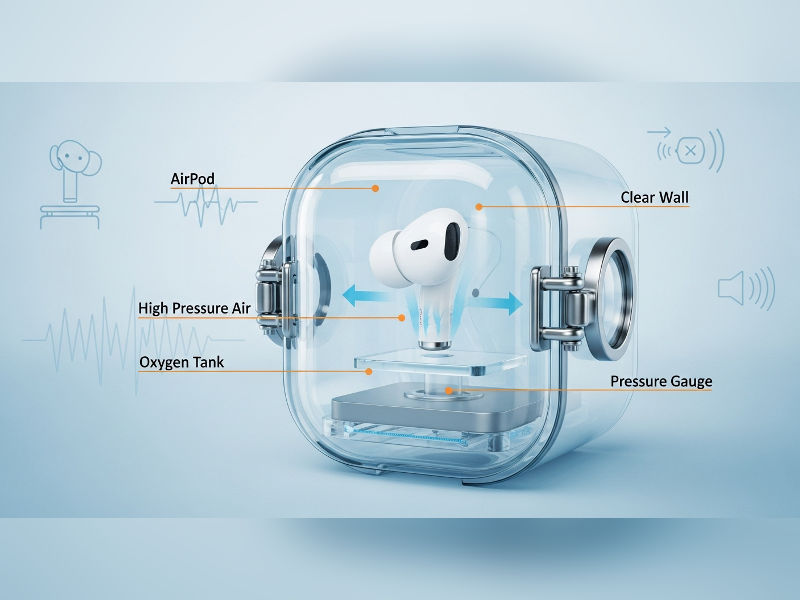
AirPod chambers need pretty simple upkeep compared to complex medical gear. Clean inside surfaces regularly to stop bacterial growth and keep things fresh. Most makers suggest wiping surfaces after each use. Do deeper cleaning weekly with the right cleaners that won’t hurt chamber materials.
Taking care of zippers makes your clothes last longer. Sealing parts take a lot of stress when pressurized. Keep zippers clean and use zipper lube sometimes to prevent early wear. Check seals often for any damage signs. Fixing small problems early stops bigger issues that might break the chamber seal.
Air compressor care follows normal rules for this equipment type. Change filters when recommended. Drain water from tanks. Keep the unit where the temperature stays steady when you can. The compressor is the most complex mechanical part.
Taking good care protects what you paid for. Some people looking at hard shell vs. soft shell hyperbaric chamber choices pick based partly on how much upkeep is needed.
Storage between uses doesn’t need much beyond common sense. If you keep the chamber inflated in one spot, make sure air flows well. Keep it away from sharp things or high heat. Folding storage works fine for units that collapse. Just make sure the material stays dry and doesn’t get moldy in damp areas.
Integrating AirPod Chamber Therapy Into Comprehensive Wellness Strategies
Hyperbaric therapy works best as part of a bigger health plan. Don’t treat it as something separate. Your food choices, sleep quality, stress handling, and regular medical care all connect. They affect how well your body uses the extra oxygen. Think of the chamber as a tool that helps your body’s natural healing. It’s not magic that works on its own apart from other health factors.
Timing sessions smartly can boost results. Some athletes like post-workout sessions. This targets the recovery window when inflammation peaks. Others use morning sessions for mental clarity and energy that lasts all day. Try different times to find what fits your schedule and goals.
Mixing therapies sometimes creates better results together. Physical therapy exercises, nutritional supplements, and practices like meditation can work alongside hyperbaric sessions. Talk about combo approaches with doctors who understand both regular and integrative medicine. This builds plans made for your specific needs.
Tracking progress helps you see if therapy gives real results for your situation. Whether you measure wound size, pain levels, brain function, or sports performance, hard data shows patterns. Feelings alone might miss these patterns. Some people respond strongly to hyperbaric therapy. Others see smaller improvements. Knowing your personal response guides choices about keeping up treatment.
Bottom Line
AirPod hyperbaric chamber benefits go beyond health results. They include easy access, convenience, and long-term cost savings for the right people. These portable systems opened up oxygen therapy that used to require clinic visits and high ongoing costs. They don’t replace high-pressure medical chambers for emergency conditions.
But they offer real options for wellness improvement, recovery help, and managing some ongoing health challenges. Success with any treatment depends on knowing what to expect, doing it consistently, and mixing it with overall health plans.
FAQ
- What pressure levels do AirPod hyperbaric chambers typically reach?
Most AirPod chambers run between 1.3 and 1.5 ATA. This counts as mild hyperbaric therapy and gives treatment benefits while staying safe for home use without supervision.
- How long does each treatment session typically last?
Normal sessions run 60-90 minutes. Some plans use shorter or longer times based on specific goals. Staying consistent matters more than session length for getting lasting benefits.
- Can you use an AirPod chamber if you have ear problems?
Minor ear issues often get better with practice in equalizing pressure. Bad eustachian tube problems or untreated ear infections need a doctor’s clearance. Talk to an ENT specialist if you worry about equalizing pressure safely.
- How often should someone use their chamber for optimal results?
How often you use it depends on your goal. Healing from a sudden injury might need daily sessions. General wellness upkeep could mean 2-3 times weekly. Most plans show best results with steady use over several weeks instead of random sessions.
- Do AirPod chambers require special installation or a dedicated space?
No permanent setup is needed. You’ll want enough floor space for the inflated chamber and room for the compressor unit. Most users set up in bedrooms, spare rooms, or wellness spaces without changing their house structure.
References
Efrati, S., Fishlev, G., Bechor, Y., Volkov, O., Bergan, J., Kliakhandler, K., … & Ben-Jacob, E. (2013). Published Study (DOI)
Hadanny, A., & Efrati, S. (2020). Published Study (DOI)
Thom, S. R. (2011). Published Study (DOI)
References
- Undersea and Hyperbaric Medical Society. “Hyperbaric Oxygen Therapy Indications.” 14th Edition, 2019. uhms.org
- Thom SR. “Hyperbaric oxygen: its mechanisms and efficacy.” Plastic and Reconstructive Surgery, 2011;127(Suppl 1):131S-141S. DOI: 10.1097/PRS.0b013e3181fbe2bf
- Centers for Medicare & Medicaid Services. “National Coverage Determination for Hyperbaric Oxygen Therapy.” NCD 20.29. cms.gov
Medical Disclaimer
The content on BaricBoost.com is for informational purposes only and is not intended as a substitute for professional medical advice, diagnosis, or treatment. Always seek the advice of your physician or other qualified health provider with any questions you may have regarding a medical condition. Never disregard professional medical advice or delay in seeking it because of something you have read on this website.

Author
Seph Fontane Pennock is the founder of BaricBoost.com and Regenerated.com, a clinic directory for regenerative medicine serving 10,000+ providers across the United States. He previously built and sold PositivePsychology.com, which grew to 19 million users and became the largest evidence-based positive psychology resource on the web. Seph brings direct experience as an HBOT patient, having completed protocols at clinics across three continents while navigating mold illness, systemic inflammation, and autoimmune conditions. His treatment journey includes hyperbaric oxygen therapy, peptide protocols, NAD+ therapy, and consultations with specialists from Dubai to Cape Town to Mexico. This combination of entrepreneurial track record and lived patient experience shapes everything published on BaricBoost.com. Every article is grounded in peer-reviewed research, informed by real clinical encounters, and written for patients making high-stakes treatment decisions. Seph's focus is on bringing transparency, scientific rigor, and practical guidance to the hyperbaric oxygen therapy space.
Why Trust Our Evaluations
Our rankings are based on hands-on testing, published clinical data, and verified manufacturer specifications. We apply the same criteria to every product regardless of affiliate status. Editorial Process · Evaluation Methodology