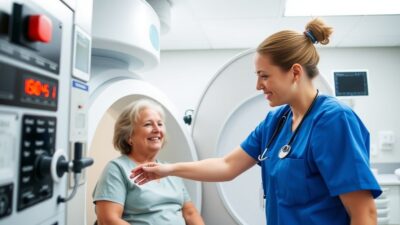
Hyperbaric oxygen therapy has 14 approved indications recognized by the UHMS and dozens of active trials across neurology, wound care, post-viral syndromes, and aging. The evidence is uneven: wound healing and radiation injury have the strongest support, while long COVID, TBI, and anti-aging remain contested and dose-dependent. This page rounds up the most important HBOT studies, trial results, and regulatory updates, in reverse-chronological order, as of August 2026.
Last updated: August 2026. Refreshed regularly with the latest hyperbaric oxygen therapy research, trials, and regulatory news. For the full evidence overview, see our HBOT research hub.
Approved HBOT indications recognized by the Undersea and Hyperbaric Medical Society, including wound healing, carbon monoxide poisoning, radiation injury, and decompression sickness1
Study scorecard: where does the evidence stand?
The table below summarizes the anchor studies by indication, with sample size, result, and evidence strength. Every study is cited in the Sources section with a working link.
HBOT Evidence Scorecard (2026)
| Indication | Anchor study | Year | n | Result | Strength |
|---|---|---|---|---|---|
| Diabetic foot ulcer | PRS-GO meta-analysis6 / Kranke Cochrane7 | 2024 / 2015 | Pooled RCTs | Healing RR 2.39; Cochrane: benefit at 6 wks, not long-term | Strong (short-term) |
| Late radiation injury | Dejonckheere review8 / Lin Cochrane10 | 2026 / 2023 | Reviews | Effective for proctitis, cystitis, fibrosis | Strong to moderate |
| Breast radiation toxicity | HONEY trial (JAMA Oncol)9 | 2024 | 189 | Reduced pain and fibrosis; low uptake | Moderate |
| TBI / post-concussion | Saeed & Shahid meta-analysis4 | 2025 | 250 | Memory MD 10.13, attention MD 7.99 | Moderate |
| Post-concussion (chronic) | Boussi-Gross RCT5 | 2013 | 56 | Cognitive and quality-of-life gains | Moderate |
| Long COVID (10 sessions) | HOT-LoCO (BMJ Open)3 | 2025 | 80 | No benefit vs sham | Negative |
| Long COVID (40 sessions) | Zilberman-Itskovich RCT2 | 2022 | 73 | Cognitive, fatigue, sleep gains | Emerging |
| Chronic stroke | Efrati RCT (PLoS One)11 | 2013 | 74 | Neurological and QoL gains on SPECT | Emerging |
| Anti-aging biomarkers | Hachmo trial (Aging)12 | 2020 | 35 | Telomeres +20%, no placebo control | Emerging |
| Treatment-resistant PTSD | Doenyas-Barak RCT13 | 2022 | 35 | CAPS-V improvement vs control | Emerging |
What do the 2024-2025 long COVID trials tell us?
They tell us dose matters. The two most rigorous long COVID trials reached opposite conclusions, and the clearest difference between them is the number of sessions: 10 in the negative trial, 40 in the positive one.
HOT-LoCO: the negative trial (Sweden, 2025)
The HOT-LoCO trial was a randomized, placebo-controlled, double-blind phase II trial at Karolinska University Hospital, Stockholm. Published in BMJ Open in April 2025, it enrolled 80 patients and randomized them to a maximum of 10 sessions of HBOT or sham treatment over six weeks.3 The result was clearly negative: no statistically significant difference between HBOT and sham on any primary or main secondary endpoint. The authors concluded their data do not provide evidence of benefit for HBOT in the treatment of long COVID. Both groups improved, which underscores how important a rigorous sham control is in HBOT research.
The HOT-LoCO trial used 10 sessions. The Israeli positive trial used 40. Dose matters in HBOT research, and comparing the two as if they tested the same intervention is not scientifically sound.
BaricBoost editorial note
The Israeli trial: positive at 40 sessions (2022)
A randomized sham-controlled trial from the Sagol Center for Hyperbaric Medicine at Shamir Medical Center (Zilberman-Itskovich et al.), published in Scientific Reports in 2022, enrolled 73 patients with post-COVID cognitive symptoms lasting more than three months. Thirty-seven received HBOT and 36 received sham.2 After 40 sessions at 2.0 ATA, the HBOT group showed significant gains in global cognitive function, attention, and executive function, with brain MRI changes in perfusion and white matter microstructure. The field is converging on the view that under-dosing may explain some negative results. For the clinical picture, see our guide on HBOT for lingering COVID-19 symptoms.
Does HBOT help traumatic brain injury and concussion?
The evidence for TBI is moderate and improving. A 2025 systematic review and meta-analysis (Saeed, Shahid, et al.) pooled four studies with 250 patients and found significant cognitive gains: memory (MD 10.13, p<0.00001), attention (MD 7.99, p<0.00001), general cognition (MD 7.47, p=0.003), and executive function (MD 7.16, p=0.002).4
Boussi-Gross (2013): chronic post-concussion syndrome
A 2013 trial in PLoS One enrolled 56 patients with mild TBI and persistent post-concussion syndrome 1 to 5 years after injury. Using a randomized crossover design, 40 HBOT sessions at 1.5 ATA produced significant improvements in cognitive function and quality of life, with SPECT imaging showing increased metabolic activity in structurally intact but dormant brain tissue.5
Military trials: mixed results
US Department of Defense trials in service members with blast-related mild TBI did not find statistically significant differences in composite symptom scores between HBOT and sham. One complication is that the sham (pressurized air at 1.2 to 1.3 ATA) may itself have therapeutic effects, which muddies interpretation. See our guide on the hyperbaric chamber for brain injury.
Why is wound healing the strongest evidence base?
Diabetic foot ulcers and chronic non-healing wounds remain the best-supported HBOT application, though the long-term picture is more cautious than headlines suggest. A 2024 meta-analysis in Plastic and Reconstructive Surgery Global Open found HBOT significantly superior to standard care for wound healing (RR 2.39; 95% CI 1.87 to 3.05; p<0.00001) and reduced amputation rates.6
Relative benefit of HBOT vs standard care for diabetic foot ulcer healing (95% CI 1.87-3.05), 2024 meta-analysis6
The honest counterweight comes from Cochrane. Kranke and colleagues (2015) concluded HBOT improves diabetic ulcer healing at six weeks but not at long-term follow-up, and does not reduce major amputation rates, while noting design limitations in the underlying trials.7 The strongest claim the evidence supports is a short-term healing benefit, not a durable cure. For clinical detail, see our guide on the hyperbaric chamber for wound healing.
Is HBOT a cancer treatment?
No. HBOT is not a cancer treatment. The FDA has warned against clinics promoting HBOT for cancer, and the UHMS does not list cancer among approved indications. What HBOT is used for in oncology is managing the side effects of radiation therapy, and late radiation tissue injury is one of the 14 approved indications.
A 2026 clinically focused review in CA: A Cancer Journal for Clinicians (Dejonckheere et al.) found HBOT effective for radiation-induced fibrosis, radiation proctitis, and radiation cystitis, and less effective for other radiation complications.8 The HONEY trial in JAMA Oncology (2024) reported reductions in pain and fibrosis among breast cancer survivors with late radiation toxicity, though uptake of the offered treatment was low.9 A 2023 Cochrane review of HBOT for late radiation tissue injury found benefit for some tissues, particularly head and neck and the anus or rectum.10 See our guide on HBOT and cancer.
What about stroke recovery and neuroplasticity?
A 2013 randomized prospective trial from the Efrati group (PLoS One) enrolled 74 patients with chronic stroke 6 to 36 months after their event. Forty HBOT sessions at 2.0 ATA produced significant neurological and quality-of-life gains, with SPECT imaging showing increased metabolic activity in dormant but structurally intact tissue.11 The trial is a decade old and stroke is not an FDA-cleared indication, so treat it as emerging rather than established. See our guide on the hyperbaric chamber for stroke patients.
What is HBOT being studied for next?
Several applications are in early-stage research, and none has strong evidence yet. The best-controlled of these is PTSD.
PTSD: a 2022 randomized controlled trial in PLoS One (Doenyas-Barak et al., Sagol Center) randomized 35 veterans with treatment-resistant PTSD to 60 HBOT sessions or control, and reported significant improvement in CAPS-V scores plus brain microstructure changes on DTI.13 PTSD is not an approved indication.
Aging biomarkers: the 2020 Hachmo trial in Aging exposed 35 adults aged 64 and older to 60 sessions and reported telomere lengthening of more than 20 percent and a drop in senescent cells.12 It had no placebo control, a small sample, and measured blood-cell biomarkers rather than clinical outcomes, so it opened a line of inquiry rather than settling it. See our guide on the hyperbaric chamber for anti-aging.
Fibromyalgia and fertility: small trials have reported SPECT changes and symptom relief in fibromyalgia, and preliminary work on endometrial thickness and sperm DNA fragmentation exists, but these remain exploratory and are not approved indications.
What conditions is HBOT approved for?
The UHMS recognizes 14 approved indications, grouped by urgency.1
Emergent: arterial gas embolism, acute carbon monoxide poisoning, central retinal artery occlusion, decompression sickness, severe anemia when transfusion is not possible, and impending compartment syndrome.
Urgent: acute peripheral arterial insufficiency, crush injuries, compromised skin grafts and flaps, gas gangrene, idiopathic sudden sensorineural hearing loss, intracranial abscess, and necrotizing soft tissue infections.
Scheduled: acute thermal burns, chronic refractory osteomyelitis, diabetic foot ulcers (Wagner grade 3 and above), and delayed radiation injury.
Off-label uses including long COVID, TBI, aging, and fibromyalgia are typically not covered by insurance. The FDA has warned about clinics promoting HBOT for unapproved uses including cancer, Lyme disease, and Alzheimer’s disease.
The bottom line
HBOT research is advancing, but study quality varies widely. The strongest evidence supports wound healing (short-term) and radiation injury management. Promising but unsettled evidence exists for TBI, stroke recovery, and long COVID at adequate doses. Anti-aging findings are intriguing but preliminary. Protocol drives outcomes: pressure, oxygen concentration, and number of sessions all matter, and trials using 40 or more sessions at 2.0 ATA tend to show stronger effects than those using fewer sessions or lower pressures.
What is the latest news on hyperbaric oxygen therapy research?
As of August 2026, the most significant developments are the two contrasting long COVID trials (Swedish HOT-LoCO, negative at 10 sessions, BMJ Open 2025; Israeli Zilberman-Itskovich trial, positive at 40 sessions, Scientific Reports 2022), a 2026 review in CA: A Cancer Journal for Clinicians on HBOT for radiation side effects, the 2024 HONEY trial in JAMA Oncology, and a 2025 TBI meta-analysis (Saeed and Shahid) pooling 250 patients that found cognitive gains.
How many conditions does the FDA approve HBOT for?
The UHMS recognizes 14 approved indications, and the FDA clears HBOT devices for treating these, including decompression sickness, carbon monoxide poisoning, diabetic foot ulcers, radiation tissue injury, gas gangrene, and sudden sensorineural hearing loss. The full list is maintained by the UHMS. Conditions still under study, such as long COVID, TBI, aging, and autism, are not approved indications and are generally not covered by insurance.
Does hyperbaric oxygen therapy reverse aging?
Not proven. A 2020 study in Aging (Hachmo et al.) reported that 60 HBOT sessions increased telomere length by more than 20 percent and reduced senescent cells in 35 adults over 64. The study had no placebo control, a small sample, and measured blood-cell biomarkers rather than clinical outcomes. The findings are promising and widely cited, but larger controlled trials with clinical endpoints are needed before any claim about aging reversal can be supported.
Sources
- Undersea and Hyperbaric Medical Society. UHMS Approved Indications for Hyperbaric Oxygen Therapy (14 indications). uhms.org.
- Zilberman-Itskovich S, Catalogna M, Sasson E, et al. Hyperbaric oxygen therapy improves neurocognitive functions and symptoms of post-COVID condition: randomized controlled trial. Sci Rep. 2022;12(1):11252. doi:10.1038/s41598-022-15565-0 (PMID 35821512).
- Kjellberg A, Hassler A, Boström E, et al. Ten sessions of hyperbaric oxygen versus sham treatment in patients with long covid (HOT-LoCO): a randomised, placebo-controlled, double-blind, phase II trial. BMJ Open. 2025;15(4):e094386. PMC11997836.
- Saeed H, Shahid S, Batool A, et al. Hyperbaric oxygen therapy for neurocognitive deficits following traumatic brain injury: a systematic review and meta-analysis. Ann Med Surg. 2025. doi:10.1097/MS9.0000000000003902 (4 studies, n=250).
- Boussi-Gross R, Golan H, Fishlev G, et al. Hyperbaric oxygen therapy can improve post concussion syndrome years after mild traumatic brain injury: randomized prospective trial. PLoS One. 2013;8(11):e79995. doi:10.1371/journal.pone.0079995 (PMID 24260334).
- Hyperbaric oxygen therapy for diabetic foot ulcers based on Wagner grading: a systematic review and meta-analysis. Plast Reconstr Surg Glob Open. 2024 (healing RR 2.39, 95% CI 1.87-3.05). doi:10.1097/GOX.0000000000005692.
- Kranke P, Bennett MH, Martyn-St James M, et al. Hyperbaric oxygen therapy for chronic wounds. Cochrane Database Syst Rev. 2015;(6):CD004123. doi:10.1002/14651858.CD004123.pub4.
- Dejonckheere S, Käsmann L, Schmeel LC, et al. Hyperbaric oxygen therapy for chronic radiotherapy-related adverse effects: a clinically focused review. CA Cancer J Clin. 2026. doi:10.3322/caac.70058.
- Batenburg MCT, van der Leij F, Baas I, et al. Hyperbaric oxygen therapy and late local toxic effects in patients with irradiated breast cancer (HONEY): a randomized clinical trial. JAMA Oncol. 2024. JAMA Oncology.
- Lin ZC, Bennett MH, Hawkins GC, et al. Hyperbaric oxygen therapy for late radiation tissue injury. Cochrane Database Syst Rev. 2023. doi:10.1002/14651858.CD005005.pub5.
- Efrati S, Fishlev G, Bechor Y, et al. Hyperbaric oxygen induces late neuroplasticity in post stroke patients: randomized, prospective trial. PLoS One. 2013;8(1):e53716. doi:10.1371/journal.pone.0053716.
- Hachmo Y, Hadanny A, Abu Hamed R, et al. Hyperbaric oxygen therapy increases telomere length and decreases immunosenescence in isolated blood cells: a prospective trial. Aging. 2020;12(22):22445-22456. doi:10.18632/aging.202188.
- Doenyas-Barak K, Catalogna M, Kutz I, et al. Hyperbaric oxygen therapy improves symptoms, brain’s microstructure and functionality in veterans with treatment resistant post-traumatic stress disorder: a prospective, randomized, controlled trial. PLoS One. 2022;17(2):e0264161. doi:10.1371/journal.pone.0264161 (PMID 35192645).
Medical Disclaimer
The content on BaricBoost.com is for informational purposes only and is not intended as a substitute for professional medical advice, diagnosis, or treatment. Always seek the advice of your physician or other qualified health provider with any questions you may have regarding a medical condition. Never disregard professional medical advice or delay in seeking it because of something you have read on this website.

Author
Seph Fontane Pennock is the founder of BaricBoost.com and Regenerated.com, a clinic directory for regenerative medicine serving 10,000+ providers across the United States. He previously built and sold PositivePsychology.com, which grew to 19 million users and became the largest evidence-based positive psychology resource on the web. Seph brings direct experience as an HBOT patient, having completed protocols at clinics across three continents while navigating mold illness, systemic inflammation, and autoimmune conditions. His treatment journey includes hyperbaric oxygen therapy, peptide protocols, NAD+ therapy, and consultations with specialists from Dubai to Cape Town to Mexico. This combination of entrepreneurial track record and lived patient experience shapes everything published on BaricBoost.com. Every article is grounded in peer-reviewed research, informed by real clinical encounters, and written for patients making high-stakes treatment decisions. Seph's focus is on bringing transparency, scientific rigor, and practical guidance to the hyperbaric oxygen therapy space.